
Beyond the Silicon Valley Algorithmic Echo Chamber
What if the much-hyped AI revolution isn’t just passing you by, but is, in reality, a distorted reflection seen only in the peculiar mirrors of San Francisco? This isn’t just about faster search results or smarter email replies. Tech columnist Kevin Roose recently ignited controversy by expressing pity for those “toiling away without the生病 benefit ung” of “claudeswarms,” describing a “yawning inside/outside gap.” According to Roose, Silicon Valley insiders are AI adoption pioneers, supposedly outsourcing life decisions and complex coding (“wireheading”) to multi-agent AI systems to an unprecedented degree. This emerging narrative of radically divergent AI inequality, fueled by Valley hype and genuine technological advances, demands scrutiny. Is this truly a transformative shift, or a localized tech bubble mistaking clever tricks for universal revolution, neglecting the messy, physical world where most lives unfold?
The SF Bubble: Where ClaudeSwarms Replace Coffee Breaks and Critical Thought
Roose’s January 2026 social media commentary paints a picture of San Francisco as a techno-utopian enclave seemingly detached from broader societal norms and constraints:
- Life by Algorithm: Residents allegedly use sophisticated AI ecosystems (“claudeswarms” referencing Anthropic’s Claude, implying systems where multiple AI agents collaborate) to manage daily decisions – from the trivial to the profound – approaching the sci-fi concept of “wireheading” (direct neural pleasure stimulation). This suggests a significant escalation beyond simple task automation.
- The Burden of Pity: Roose frames this not as a choice but as an unavoidable disparity, suggesting restrictive corporate IT policies elsewhere actively hinder “knowledge workers” from catching up. His implicit message: those outside the SF bubble are tragically lagging in an essential productivity and cognitive arms race.
- Embedded Techno-Culture: This fervor isn’t isolated. As hinted, the phenomenon extends to dubious biohacking trends (like unregulated peptide injections), highlighting a cultural predisposition within segments of ентитету the SF tech scene to embrace radical, often untested, self-optimization leveraging technology.
The pervasive narrative, echoed by others like Anthropic CEO Dario Amodei’s warnings about humanity’s unpreparedness for “unimaginable power,” creates a self-reinforcing belief system within the Valley. AI isn’t just a tool; for some, it’s morphing into an object of faith.
Demystifying the Hype: Claudeswarms & Vibecoding Under the Microscope
Central to Roose’s claims are specific technologies hailed as revolutionary within his circles:
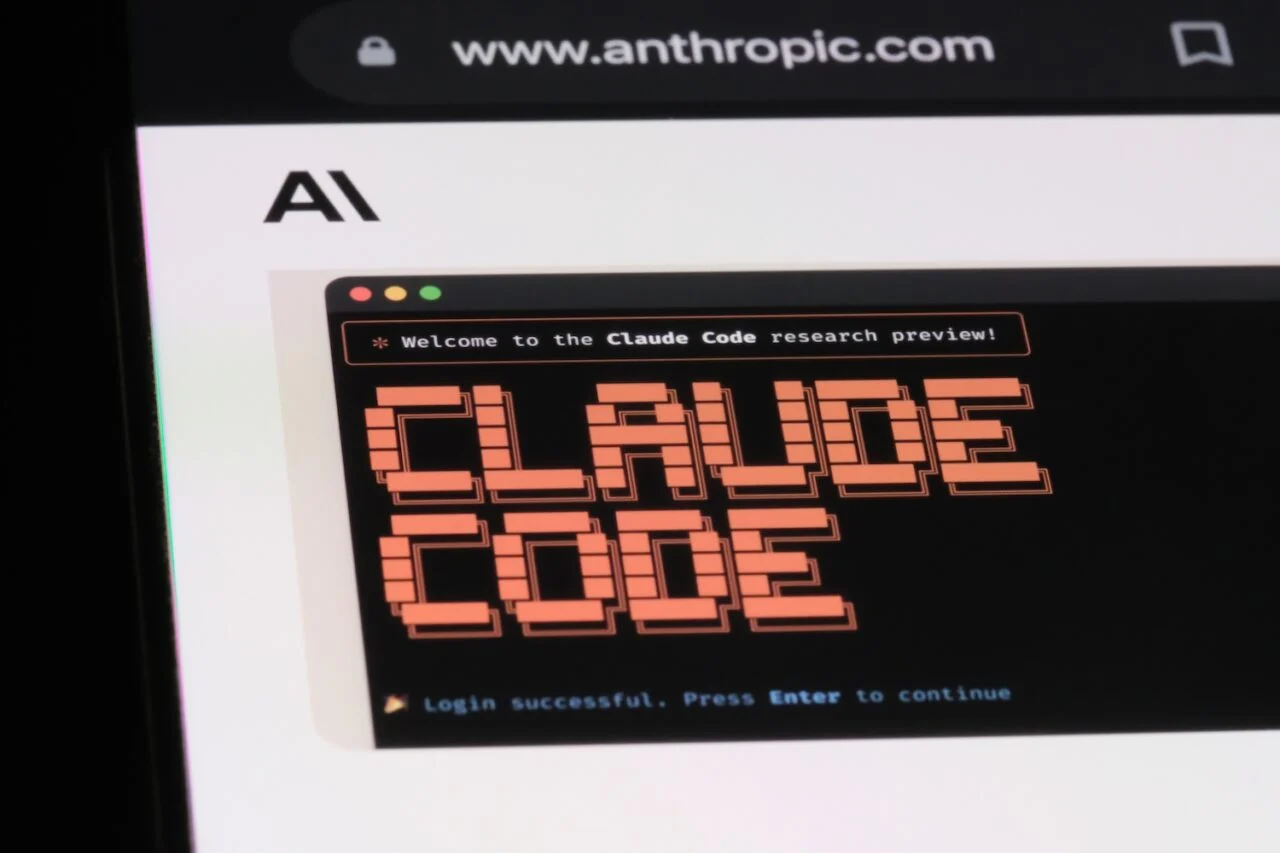
- ClaudeSwarms Explained: institutional While not a formally defined product, “claudeswarms” likely refers to systems leveraging large language models (LLMs) like Anthropic’s Claude, configured to operate in multi-agent settings. Imagine delegating a complex coding task not to a single AI, but to a simulated team where different specialized AI agents collaborate, debate approaches, and iterate solutions. Potential applications include advanced software development, data analysis pipelines, or research synthesis.
- Vibecoding – The Rise of the Amateur Coder: Roose’s Hard Fork podcast exemplifies excitement around “vibecoding” – using generative AI (like Claude


