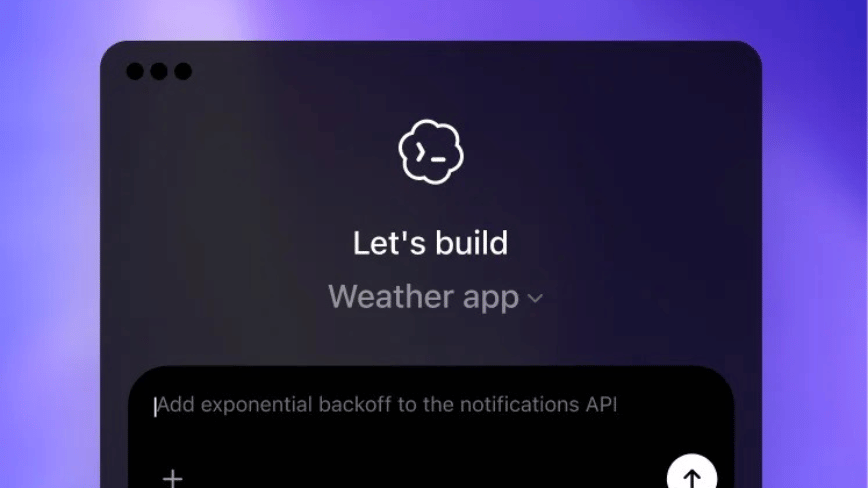

In a bold move that could redefine web browsing, OpenAI has officially launched its AI-powered web browser, Atlas, in April 2026. With Google Chrome commanding over 65% of the global browser market, the question on everyone’s mind is: Can Atlas truly challenge the search giant’s dominance? This article explores how Atlas leverages ChatGPT integration, personalized search, and agent mode to offer a unique alternative, potentially reshaping the search engine experience for millions of users.
What Is OpenAI Atlas? A New Era for Web Browsing
OpenAI Atlas is not just another browser; it’s an AI-first platform designed to integrate ChatGPT directly into the browsing experience. Unlike traditional browsers that rely on separate search engines, Atlas uses its own AI search capabilities, learning from user behavior to deliver more relevant results. This shift could mark a turning point in how we interact with the web, moving from keyword-based searches to conversational, context-aware queries.
Key Features That Set Atlas Apart
Atlas introduces several innovative features aimed at personalizing the browsing experience. One standout is “Browser Memories,” which allows ChatGPT to remember key details from sites you visit, improving chat responses and suggestions over time. Users can also access a ChatGPT sidebar on any webpage, enabling instant questions about the content they’re viewing. For power users, the “Agent Mode” lets ChatGPT directly interact with websites—such as booking flights or filling forms—though this feature requires a paid ChatGPT subscription.
Browser Memories: How AI Learns Your Preferences
The Browser Memories feature is a game-changer for personalized search. By remembering your past browsing habits, Atlas can tailor suggestions and answers more accurately. For example, if you frequently read tech reviews, Atlas might prioritize similar content in search results. This level of customization could make browsing faster and more intuitive, but it also raises privacy concerns—a topic we’ll address later.
Agent Mode: Letting ChatGPT Do the Heavy Lifting
Agent Mode is Atlas’s most ambitious feature, allowing ChatGPT to perform tasks on your behalf, such as making reservations or purchasing items. While this sounds convenient, it’s limited to paid subscribers, which could hinder mass adoption. Competitors like Microsoft Edge already offer similar AI assistants, but Atlas’s deep integration with ChatGPT’s language models gives it an edge in natural language understanding.
How Atlas Compares to Google Chrome and Microsoft Edge
To understand Atlas’s potential, it’s helpful to compare it with existing browsers:
- Google Chrome: Free, widely supported, but lacks native AI integration. Chrome’s dominance stems from its ecosystem and simplicity.
- Microsoft Edge: Features AI-powered Copilot, but it’s less personalized than Atlas’s memory-based system.
- OpenAI Atlas: Offers deep ChatGPT integration, but its paid features may limit its appeal.
While Atlas’s personalized experience is compelling, many experts argue that its offerings aren’t groundbreaking enough to dethrone Chrome, especially since Edge already provides similar AI features at no extra cost.
Privacy and Security Concerns with Atlas
One of the biggest hurdles for Atlas is privacy. Browser Memories requires constant data collection to function, which could alarm users concerned about surveillance. OpenAI has stated that all data is encrypted and anonymized, but trust remains a barrier. In contrast, Google Chrome’s privacy practices have been scrutinized for years, yet users continue to flock to it. Atlas will need to prove its commitment to data security to win over skeptics.
The Future of AI-Powered Search: What Atlas Means for the Industry
Whether or not Atlas becomes the next big browser, it’s already pushing the industry toward more AI-powered search functions. Google has responded by integrating Bard into Chrome, and other players are following suit. This competition could lead to faster innovation, benefiting users with smarter, more intuitive browsing tools. Atlas may not win the browser war, but it’s certainly shaping the battlefield.
Conclusion: Is Atlas the Browser of Tomorrow?
OpenAI Atlas represents a significant step forward in AI-integrated browsing, offering personalized experiences that could change how we search and interact online. However, its reliance on paid subscriptions and privacy concerns may limit its reach. For now, Google Chrome remains the king, but Atlas has planted a seed that could grow into a formidable competitor. What do you think? Will you try Atlas, or stick with Chrome? Share your thoughts in the comments below!


