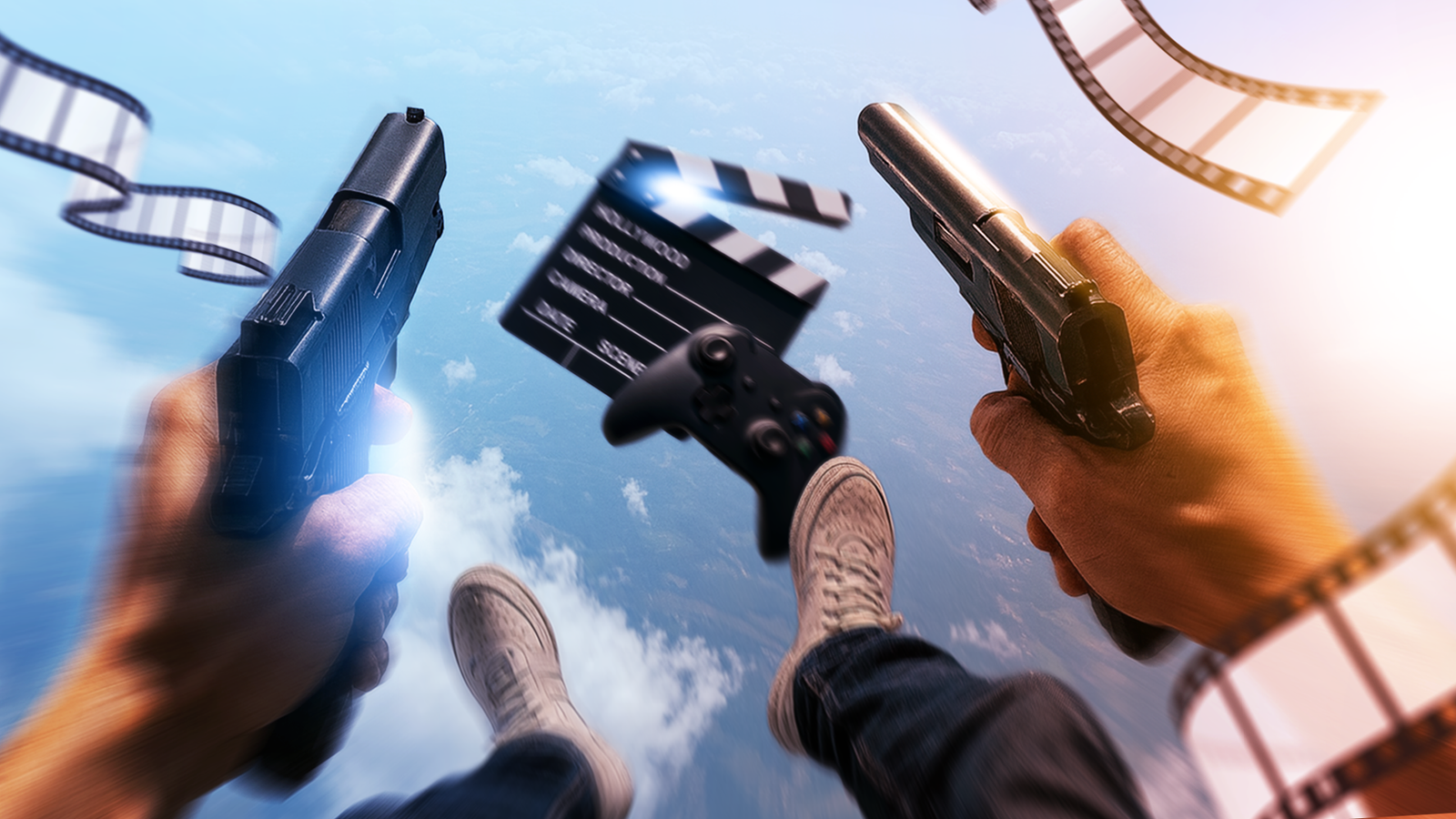

Are Video Games Rewriting the Rules of Filmmaking?
Did you know that the global video game market is projected to reach over $256 billion by 2025? With gaming’s ever-increasing influence, it’s no surprise that its impact is extending beyond consoles and PCs. While video games have long drawn inspiration from films, the tables are turning. Filmmakers are now borrowing the unique camera perspectives that define video games, resulting in fresh approaches to immersion, tension, and action. This article delves into how video games are influencing modern film visuals, showcasing examples of this exciting trend, and exploring why this shift is gaining momentum. Let’s explore the merging worlds of gaming and cinema and examine how video game camera angles are beginning to redefine the visual language of movies.
Camera Angles: Defining the Visual Language of Film and Games
For decades, filmmakers have relied on established framing techniques and camera angles to shape our viewing experience. Terms like “Dutch angles,” “cut-ins,” and “wide shots” are part of the cinematic lexicon, each serving a specific purpose – conveying emotions, building suspense, or intensifying action. Television and music videos often follow suit, adhering to these tried-and-true methods.
However, video games have always carved their own visual path. Even when drawing inspiration from film, the perspectives used in video games often differ significantly. Consider war films like Saving Private Ryan, which typically utilize wide shots to capture the scale of battlefields and close-ups to highlight the emotional toll on soldiers. In contrast, games like Call of Duty and Battlefield often immerse players directly into the conflict through a first-person perspective, placing them on the frontlines. Similarly, while car chases in movies like The Fast and the Furious employ a dynamic range of camera angles, games like Need for Speed or Grand Theft Auto frequently rely on a consistent third-person perspective.
Key Differences in Camera Perspectives: Film vs. Games
| Feature | Film | Video Games |
|---|---|---|
| Camera Variety | Wide range of angles, dynamic shifts | Typically consistent perspective (1st/3rd/Iso) |
| Immersion | Achieved through editing and visuals | Achieved through player agency and perspective |
| Purpose | Storytelling, emotional impact | Player control, spatial awareness |
These differences contribute to the distinctive visual identities of each medium. Although the first-person camera isn’t unique to gaming—appearing as early as Alfred Hitchcock’s Spellbound (1945)—it has become synonymous with shooter and horror games. Conversely, many video game cutscenes deliberately mimic the cinematic style of movies, demonstrating how crucial camera angle is to distinguishing a game from a film. While some games are attempting more cinematic presentations, movies are now increasingly drawing inspiration from the iconic perspectives of gaming.
Movies Adopt the Player Perspective: Blurring the Lines
The idea of movies replicating the look and feel of a video game isn’t entirely new. One notable example is the 2005 film adaptation of Doom. While largely considered a critical failure, the film is remembered for its brief but impactful first-person shooter sequence, a direct homage to Doom 3. The scene offered a glimpse of the potential for bringing the visual language of gaming to cinema, with its claustrophobic atmosphere and exhilarating pace. The first-person perspective heightened the intensity, keeping the action frantic and visceral.
Doom (2005): A Pioneering Moment
- Strengths: Showcased potential for translating video game perspective to film. Created an immersive, action-packed sequence.
- Weaknesses: Remained isolated to a single scene. The rest of the movie lacked the same visual identity.
Despite this early experiment, few films explored the possibilities of gaming’s unique perspectives, besides other video game adaptations like Scott Pilgrim vs. the World. However, the last decade has seen a resurgence of interest in this approach.
Examples of Video Game Inspired Perspectives in Film
Several films have experimented with video game perspectives to enhance the viewing experience:
- Hardcore Henry (2016): The First-Person Immersion”: This action film takes the first-person perspective of Doom and expands it into a feature-length experience. The entire movie is filmed from the protagonist’s point of view, creating a relentless, in-your-face action experience. Hardcore Henry directly embraces its video game influences, parodying tropes like mute protagonists and infinite respawns. The car chases, sniper duels, and even flashbacks are presented through Henry’s eyes, resulting in non-stop action.
- Boys Go to Jupiter (2023): The Isometric Viewpoint”: This animated comedy adopts the isometric perspective of classic PC games like The Sims and Roller Coaster Tycoon. This zoomed-out view offers a unique approach to storytelling, giving equal weight to the characters and the vibrant Floridian settings. The isometric camera makes the world feel spacious yet contained, capturing the nostalgia and melancholy associated with growing up.
- John Wick: Chapter 4 (2023): Top-Down Mayhem”: One of the most memorable fight scenes in this film shifts into a top-down perspective reminiscent of shooters like Hotline Miami. In contrast to the series’ usual close-quarters camerawork, this sequence follows Wick and his assailants through an abandoned mansion. The camera movement and environmental carnage create a thrilling experience, especially for those familiar with the games that inspired it.
- Upgrade (2018): The Uncontrolled Avatar”: This sci-fi action-horror film utilizes a protagonist-centered perspective reminiscent of melee-focused brawlers to create a sense of unease. The camera focuses on the protagonist’s body, following his movements with jerky, disorienting motions. This creative camerawork mirrors the feeling of watching an action game from the perspective of an avatar, not the player, creating a unique viewing experience.
Impact of Camera Perspective on Viewer Experience
| Film | Perspective | Intended Effect | Viewer Sensation |
|---|---|---|---|
| Hardcore Henry | First-Person | Intense immersion, heightened action | Direct participation, visceral excitement |
| Boys Go to Jupiter | Isometric | Spaciousness, nostalgia, world-building | Observation, detached yet intimate |
| John Wick: Ch. 4 | Top-Down | Strategic awareness, chaotic action | Tension, tactical viewpoint |
| Upgrade | Protagonist-Centred | Disorientation, loss of control | Passive observation, unease, disconnect |
Why Video Game Perspectives Are Gaining Traction
The increasing prevalence of video game inspired perspectives in film can be attributed to the growing popularity of gaming. In the past, when Doom was released, video games were not as mainstream. Today, with a larger audience familiar with gaming conventions, filmmakers are more comfortable experimenting with unconventional perspectives. These perspectives offer more than just a visual novelty; they can provide a visceral and immersive experience.
- Increased Familiarity: The widespread popularity of video games means audiences are more receptive to and understanding of video game-inspired perspectives.
- Visceral Experience: These camera angles can heighten the sense of immersion and tension, creating a unique viewing experience.
- New Storytelling Tools: They offer filmmakers new ways to tell stories and engage with audiences.
Perspective Has Power: The Future of Film and Game Collaboration
Video game camera angles offer powerful tools for filmmakers. Isometric views can enhance environmental storytelling, while first- and third-person perspectives can heighten tension and excitement. These techniques can even tap into the immersive experience of playing a video game. Although there aren’t many movies that utilize these perspectives today, the growing popularity of video games suggests this may change in the future. As video games continue to influence cinema, it’s exciting to imagine the innovative ways filmmakers will bring their love of gaming to the big screen.
What do you think about the increasing influence of video games on filmmaking? Do you enjoy seeing video game perspectives in movies? Share your thoughts and favorite examples in the comments below!
Sources & Further Reading:
Original article at www.howtogeek.com


