
The Unmissable Streaming Gem You Didn’t See Coming
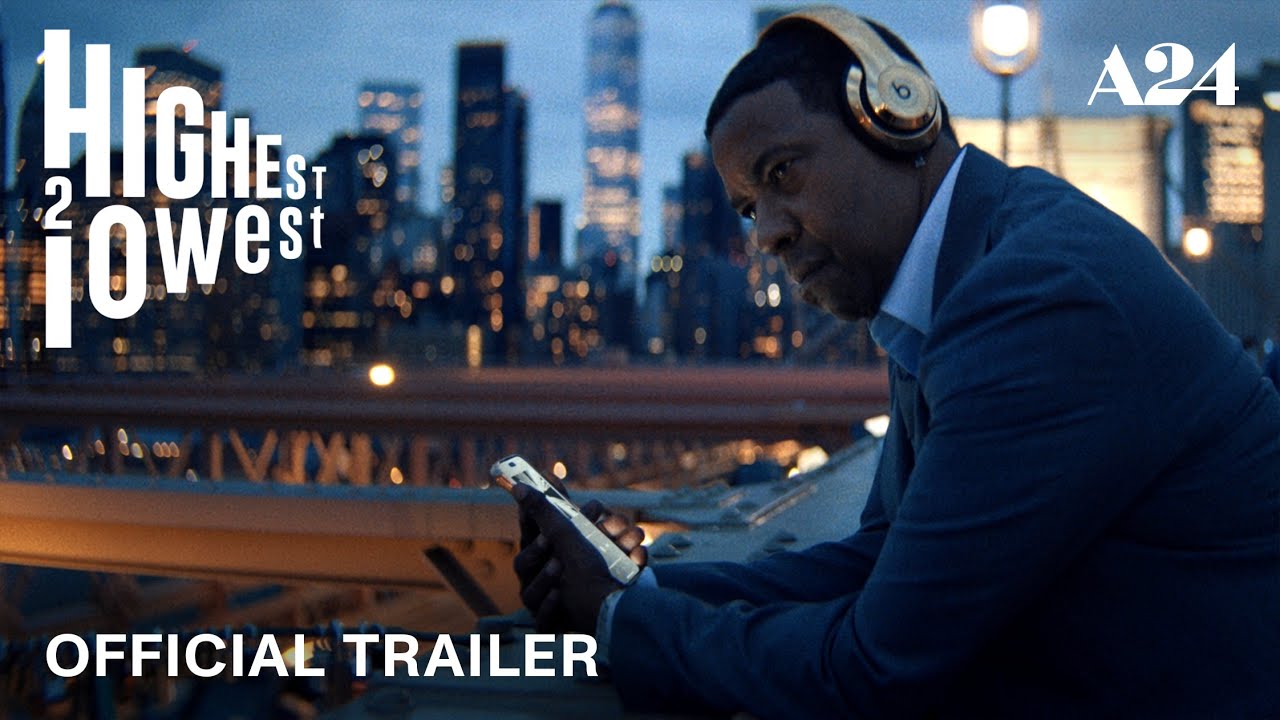
Have you ever watched a film that hooked you with moral complexity and powerhouse acting, even after a bafflingly brief theater run? That’s the precise experience audiences get with “Highest 2 Lowest” – Denzel Washington and Spike Lee’s fifth collaboration. While it raced to Apple TV+ faster than cinephiles could protest, losing that big-screen moment, this crime thriller’s urgent storytelling and ethical dilemmas absolutely justify streaming it immediately. Even amid Apple TV+’s price hike to $12.99/month, the movie’s gripping narrative and Oscar-worthy performances make it unmissable. Dive into this modern reimagining of a classic, where a music mogul faces a life-altering kidnapping crisis.
From Page to Screen: The Legacy Behind the Story
This isn’t just another genre flick—it’s a sophisticated adaptation with double-layered roots. “Highest 2 Lowest” transplants Akira Kurosawa’s 1963 masterpiece High and Low into the cutthroat world of the NYC music industry. Kurosawa’s original, itself an adaptation of Ed McBain’s 1959 novel King’s Ransom, was hailed for its dissection of class struggle and moral decay. Lee’s version preserves this hierarchy critique but trades the corporate boardroom for the rap game. Denzel’s David King, a powerhouse mogul reclaiming his label (Stackin’ Hits Records), mirrors High and Low’s executive Gondo. Like Kurosawa, Lee dissects privilege—police deference to King versus his driver Paul’s dismissal is a microcosm of systemic bias (Source: High and Low analysis, Criterion Collection). This lineage adds gravitas, transforming a crime plot into sociological commentary.
Plot Mechanics: Where Twists Ignite Character Transformation
The setup feels familiar yet razor-sharp: just as King secures a $17.5 million deal to buy his label back, his son Trey (Aubrey Joseph) is kidnapped. The villain demands payment in elusive Swiss francs—a chaos-inducing twist. Then, the key pivot: Trey reappears unharmed. It was Paul’s son Kyle (Elijah Wright) taken instead. This reveal isn’t just shock value; it’s the detonator for King’s ethical crisis.
- Moral Dilemmas Drive the Narrative: Paying the ransom could bankrupt King’s deal but save an “innocent”. Refusal means sacrificing Paul’s child—a man whose loyalty King exploits.
- Class Dynamics Fuel Tension: King moves through VIP clubs and penthouse offices, while Paul—a struggling ex-felon—begs detectives to take his son’s case seriously.
- Denzel’s Redemption Arc: Contrasting Kurosawa’s Gondo, King isn’t paternal nobility incarnate. He’s cold, pragmatic, capable of rationalizing Kyle’s death as “collateral damage.” The tension comes from whether wealth distorts his humanity forever.
Actors Commanding the Frame: Peaks of Performance
Critics agree: even when the script wobbles, the cast soars. Denzel Washington isn’t merely magnetic; he operates at career-best intensity. Scenes hinge on his eyes—calculating in negotiation, shattered in private—showing King’s internal civil war. Opposite him, Jeffrey Wright’s Paul delivers raw anguish. Unlike King’s polished rage, his confrontation with apathetic police (“Am I detained? Then move”) is volcanic acting: brief, ferocious, and impossible to forget.
ASAP Rocky as the villain surprises. He sidesteps amateurish rap-cameo pitfalls, layering menace with charisma. His freestyle face-off with Denzel mid-film crackles, subverting expectations about “music world authenticity.” Their exchange mirrors High and Low’s tea-room showdown but pulses with hip-hop spontaneity.
| Actor | Role | Standout Trait | Scene Case Study |
|---|---|---|---|
| Denzel Washington | David King | Moral ambiguity | Freestyle showdown with villain |
| Jeffrey Wright | Paul | Emotional eruption | Police station defiance |
| ASAP Rocky | Kidnapper | Unpredictable menace | Ransom call taunt |
Why Imperfections Don’t Sink the Ship
Yes, flaws exist: a jarring Boston roast, heavy-handed NYC worship, and melodramatic flourishes. But they’re road bumps, not derailments. Moments of levity—Jeffrey Wright’s near-climax sarcastic jab lands as unexpectedly as Get Out’s comedic relief—rebalance tension strikingly. The pacing feels deliberate but demands patience; the 133-minute runtime invests in character over chaotic action. For those who found Lee’s Da 5 Bloods bloated, here the sprawl feels earned.
How Apple TV+ Became Its Paramount Stage
Platform shifts like this spark debates about cinema’s “rightful” home—but Highest 2 Lowest thrives on demand. Apple’s 4K HDR elevates Michael Bay-esque visuals atop brutalist NYC high-rises. The subterranean ransom sequence, with its neon-noir lighting, loses nothing on smaller screens. And the free 7-day trial? It’s a tailored loophole. Stream it alongside foundation films like Killers of the Flower Moon for a masterclass in modern adaptation.
Verdict: A Thriller That Outranks Its Platform Drama
“Hell yes, it’s worth the subscription price hike,” said one viewer after finishing it, echoing cinephiles hungry for depth. Lee crafts more than homage; it’s a throughline from post-war Japan to 2024’s wealth gaps—with tour-de-force acting as its engine. While theatrical purists mourn, streaming democratizes it. So pause your weekend plans; press play. Debate King’s choices. Marvel at Denzel’s layered cruelty. Join us—was this moral maze Hollywood’s comeback we craved? Sound off your take below!
People Also Ask:
- Is ‘Highest 2 Lowest’ a remake?
Yes—it reworks Kurosawa’s High and Low, per Lee’s commentary in Entertainment Weekly. - How does Denzel’s character evolve?
From callous mogul to confronting his humanity’s cost—a transformation earned through scenes like Paul’s breakdown. - Why leave theaters quickly?
Studios increasingly “window” dramas to streaming where niche audiences prioritize them, reports The Verge. - Free Apple TV options?
Activations for eligible devices yield 3+ months free—great for sampling Lee’s catalogue.


