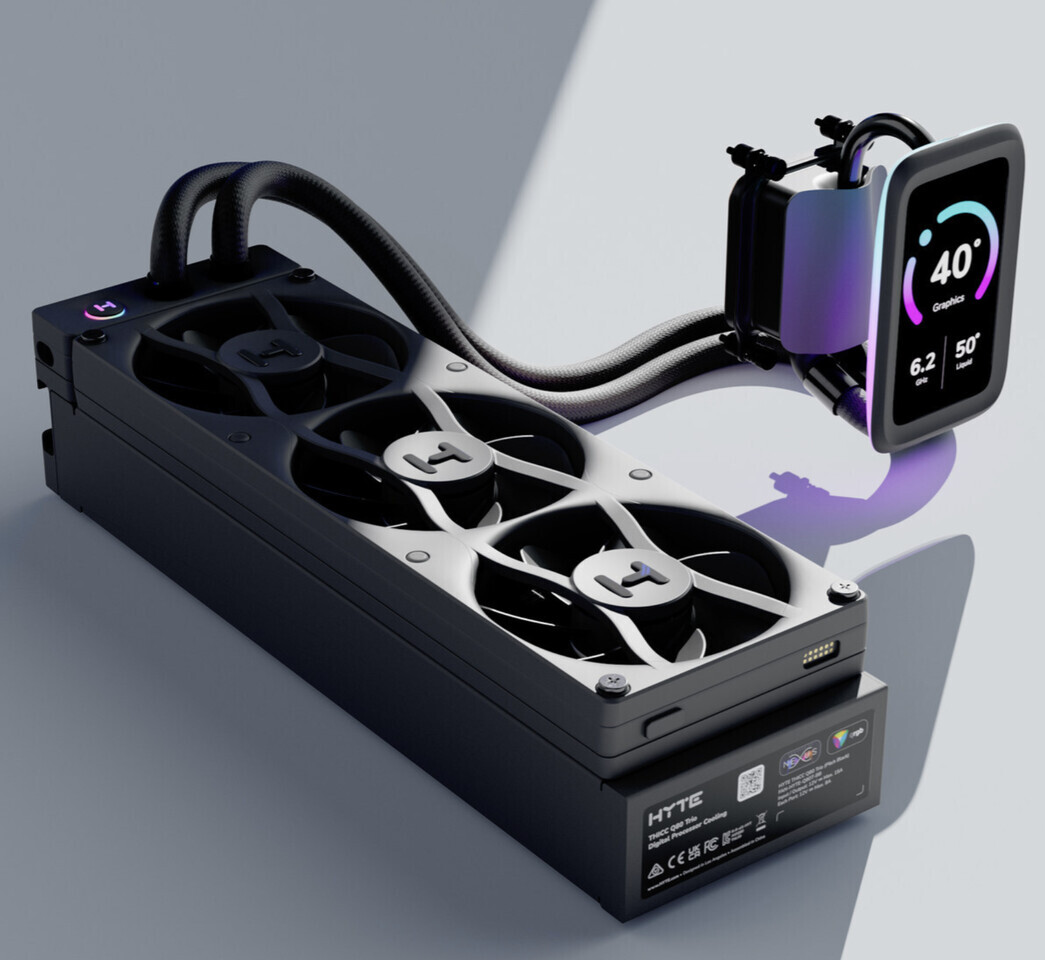

Is Your HYTE THICC Q80 Trio Leaking? Recall Announced Due to Manufacturing Defect
Have you recently purchased a HYTE THICC Q80 Trio AIO liquid CPU cooler? If so, you might be affected by a recently announced product recall. HYTE has identified a manufacturing defect causing coolant leaks in its THICC Q80 Trio, urging users to immediately uninstall the cooler. This recall highlights the importance of thorough quality control and the potential risks associated with complex cooling solutions. Let’s delve into the details of the recall, the cause of the defect, and what HYTE is doing to rectify the situation.
Understanding the HYTE THICC Q80 Trio Recall
The HYTE THICC Q80 Trio AIO (All-in-One) liquid CPU cooler, launched in January 2025, promised high-performance cooling and an aesthetic appeal to PC enthusiasts. However, shortly after its release, reports of coolant leaks began surfacing, prompting HYTE to investigate.
The Root Cause: A Fragile Internal Component
HYTE’s failure analysis, conducted by their OEM manufacturer, revealed that a fragile internal component within the THICC Q80 Trio was susceptible to damage during transportation. This damage, often invisible to the end-user, could compromise the cooler’s integrity and lead to coolant leakage. This is a significant issue because coolant leaks can damage other components in a computer, potentially leading to costly repairs or replacements.
Scope of the Recall: What You Need to Know
Due to the uncertainty surrounding the number of affected units, HYTE has issued a complete product recall for all THICC Q80 Trio coolers. This means:
- Immediate Cease of Use: HYTE is instructing all users to immediately stop using the THICC Q80 Trio AIO cooler and remove it from their systems.
- Discontinuation of Sales: Distributors and resellers have been notified to cease sales of the Q80.
- Refunds and Instructions: Customers who purchased directly from HYTE.com will receive full refunds and instructions on safely disposing of the cooler.
- Reseller Communication: Authorized resellers will contact customers who purchased the product through them with instructions on next steps.
Why Only the THICC Q80 Trio?
It’s crucial to note that this issue does not affect the previously released HYTE THICC Q60. According to HYTE, the Q60 utilizes a different design for the affected internal component, mitigating the risk of the same manufacturing defect. This highlights the importance of component selection and design in preventing such issues.
The Risks of Coolant Leaks in Liquid CPU Coolers
Coolant leaks within a PC system can be catastrophic. Here’s why:
- Short Circuits: Coolant is conductive. Contact with electronic components can cause short circuits, potentially damaging or destroying sensitive hardware like the CPU, GPU, motherboard, or RAM.
- Corrosion: Coolant can corrode metallic components over time, further degrading performance and reliability.
- System Instability: Even minor coolant leaks can lead to erratic system behavior, crashes, and data loss.
The image below is from an open source source for general educational purposes only.

(Please note, this image shows a leaky capacitor, a different component, but demonstrates the dangers of leaks in electronic devices.)
HYTE’s Response and the Importance of Brand Reputation
HYTE’s quick response to the coolant leak reports is commendable. Issuing a full product recall, although costly, demonstrates a commitment to customer safety and brand reputation.
Key Elements of HYTE’s Response:
- Prompt Investigation: HYTE swiftly secured affected products and sent them to their manufacturer for failure analysis.
- Transparent Communication: The company released a statement acknowledging the issue and outlining the recall process.
- Full Refunds and Support: HYTE is offering full refunds to customers who purchased directly from their website and is coordinating with resellers to ensure affected customers are taken care of.
- Public Apology: HYTE has publicly apologized for the issues and complications caused by the defect.
A recall like this inevitably damages brand reputation, but how a company handles the situation can significantly impact the long-term consequences. Transparency, swift action, and a genuine commitment to customer satisfaction are crucial for rebuilding trust.
Lessons Learned: Quality Control and Risk Mitigation
This incident serves as a valuable lesson for manufacturers regarding the importance of rigorous quality control and risk mitigation strategies.
- Thorough Testing: Comprehensive testing protocols, including stress testing under various conditions, can help identify potential weaknesses in components and designs.
- Robust Packaging: Packaging should be designed to withstand the rigors of transportation and protect fragile components from damage.
- Redundancy and Fail-Safes: Incorporating redundancy and fail-safe mechanisms in the design can minimize the impact of component failures.
- Supplier Relationships: Maintaining strong relationships with reliable suppliers and ensuring their adherence to strict quality standards is essential.
Alternatives to the HYTE THICC Q80 Trio: Exploring CPU Cooling Options
While the HYTE THICC Q80 Trio is currently unavailable, numerous alternative CPU cooling solutions exist, including:
- Air Coolers: Reliable and often more affordable, air coolers offer excellent cooling performance for many CPUs. Brands like Noctua and Be Quiet! are known for their high-quality air coolers.
- Pros: Lower cost, lower risk of leakage, quieter operation in some cases, longer lifespan.
- Cons: Can be bulky, may not be as effective for high-TDP CPUs, can obstruct RAM slots in some cases.
- Other AIO Liquid Coolers: Many reputable brands offer AIO liquid coolers with varying radiator sizes and features. Corsair, NZXT, and Arctic are popular choices.
- Pros: Excellent cooling performance, often more aesthetically pleasing, can offer better RAM clearance.
- Cons: Higher cost, potential for leakage, more complex installation.
- Custom Liquid Cooling Loops: For enthusiasts seeking the ultimate cooling performance and customization, custom liquid cooling loops offer unparalleled flexibility.
- Pros: Superior cooling performance, highly customizable aesthetics, ability to cool multiple components.
- Cons: Highest cost, complex installation, requires regular maintenance, increased risk of leaks.
Comparison Table:
| Feature | Air Cooler | AIO Liquid Cooler | Custom Loop |
|---|---|---|---|
| Cooling Performance | Good | Excellent | Superior |
| Cost | Low | Medium | High |
| Complexity | Low | Medium | High |
| Leak Risk | None | Low | Medium/High |
| Noise | Low to Medium | Medium | Low to High (Depends on fan selection) |
| Maintenance | Minimal | Minimal | Regular |
Conclusion: Navigating the THICC Q80 Trio Recall and CPU Cooling Choices
The HYTE THICC Q80 Trio recall serves as a reminder of the complexities and potential risks associated with advanced PC hardware. While the situation is undoubtedly frustrating for affected customers, HYTE’s proactive response is a positive sign.
If you own a HYTE THICC Q80 Trio, be sure to follow HYTE’s instructions and uninstall the cooler immediately. Contact HYTE or your authorized reseller for information on refunds and disposal procedures.
Ultimately, the best CPU cooling solution depends on your individual needs, budget, and technical expertise. Weigh the pros and cons of each option carefully to make an informed decision. What do you think about this HYTE product recall? Comment below!
Sources & Further Reading:
Original article at www.techpowerup.com


