

Arol is a tech journalist who currently works as a contributor at How-To Geek since 2022. He first started writing online for the immediate-lived portal of Spanish-language gaming forum Emudesc in 2013. Years later, in 2017, he got his ethical open in tech journalism working for a itsy-bitsy Google-focused predicament known as Pixel Popularity. He transitioned to a records and characteristic writer role at XDA Builders that identical twelve months, where he worked until 2021 earlier than making the jump to other net pronounce.
Arol brings in terms of a decade of writing expertise, and the occasional hot rob, to his writings. Whereas he is a technology lover at heart, he holds laptop hardware and smartphones particularly shut to heart. It’s essential well most frequently gather him holding records, despite the incontrovertible truth that he has also written the occasional deal, buyer’s records, how-to put up, and round-up. He’s also written for Android Police and MakeUseOf. He’s also a Political Science student. When he is no longer writing, you may perhaps well doubtlessly gather him hitting the gymnasium, trying to ace a new ardour, learning his textbooks, or traveling. It’s essential maybe reach him at me@arolwright.com.
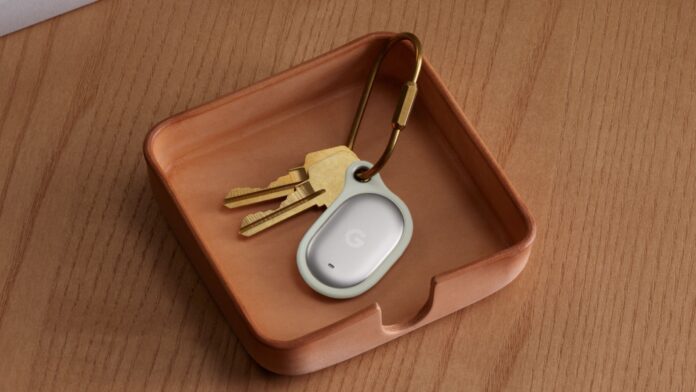
The Pixel Imprint presents Android users their first ethical first-get together rival to Apple’s AirTag, backed by Google’s massive Fetch Hub community. But after having a scrutinize into the procedure it in actuality works, one omission stood out at present, and it be the single characteristic I’ve wished from an Android tracker for years.
What it be lacking
No simultaneous enhance for Fetch Hub and Fetch My
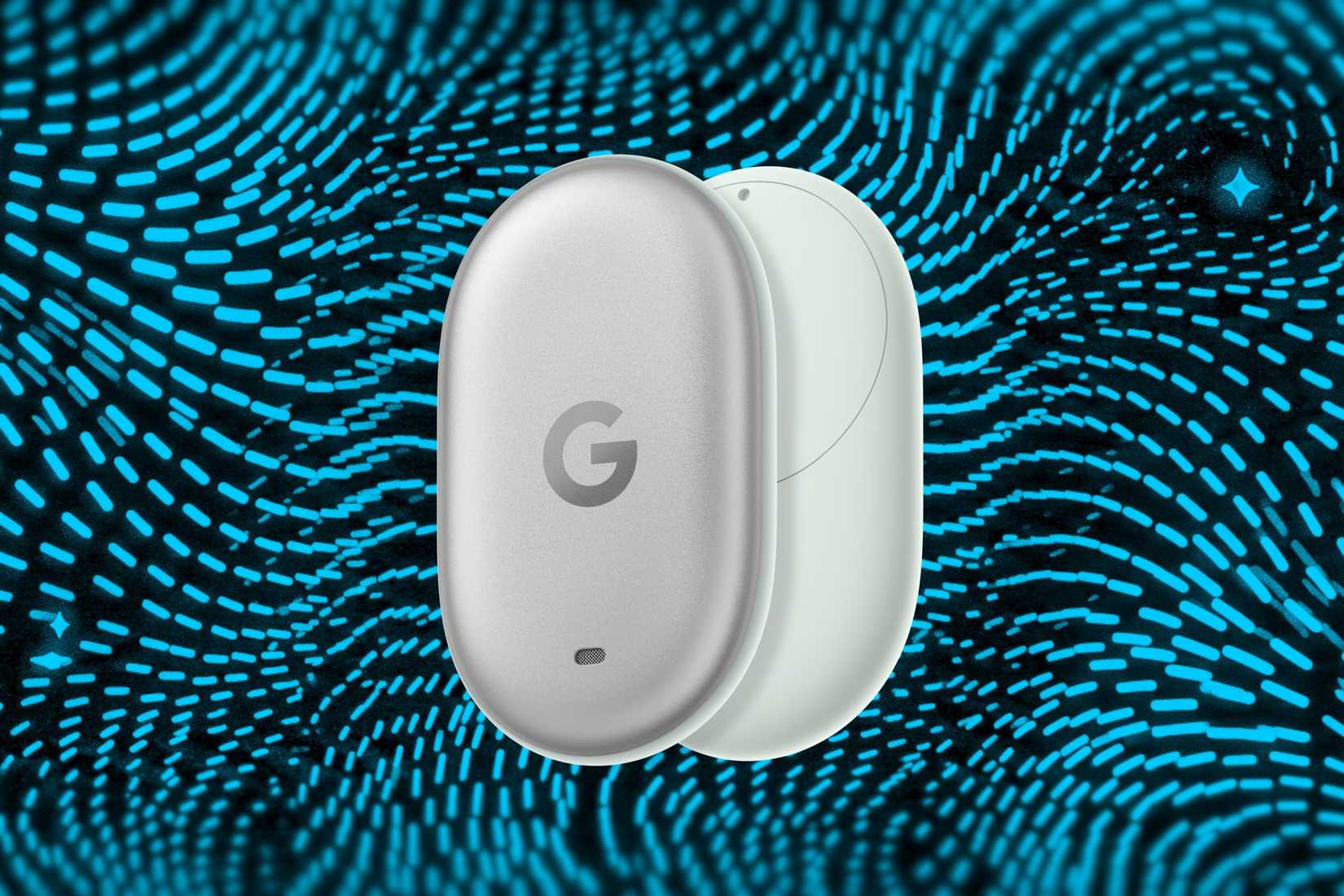
Google’s Pixel Imprint ties itself completely to Fetch Hub, the crowdsourced community formerly identified as Fetch My Instrument, and there’s now not any opposite direction to pair it. Delivery air train Bluetooth fluctuate, the designate depends on nearby Android phones to anonymously relay its closing identified blueprint to Google’s servers, all discontinue-to-discontinue encrypted so even Google cannot gaze exactly where the machine sits. With Extremely-Wideband precision discovering reportedly on board alongside IP67 water and mud resistance, the hardware itself is a sound retort to the AirTag, priced shut to Apple’s designate as neatly.
What the Pixel Imprint doesn’t enact, despite the incontrovertible truth that, and what no first-get together tracker from both firm does, is broadcast to 2 networks with out extend. Whereas you bid up a Pixel Imprint on Fetch Hub, it reviews fully to that community. If you happen to have an iPhone, or part a household with somebody who does, that machine is functionally invisible to your designate, since Apple’s Fetch My community can also no longer put a matter to or relay blueprint pings from one thing that’s no longer broadcasting the factual signal.
This is no longer fresh to Google and I’m no longer singling out Google right here the least bit. Third-get together trackers that publicize enhance for “both” networks fully imply you may perhaps well be ready to resolve one platform all over setup, no longer that the designate talks to every at the identical time; switching later requires a paunchy factory reset and re-pairing. The Pixel Imprint works exactly esteem every other single-community tracker already in the marketplace, magnificent with a Google emblem on it.
Why that is vital
Bigger networks imply sooner, more unswerving restoration
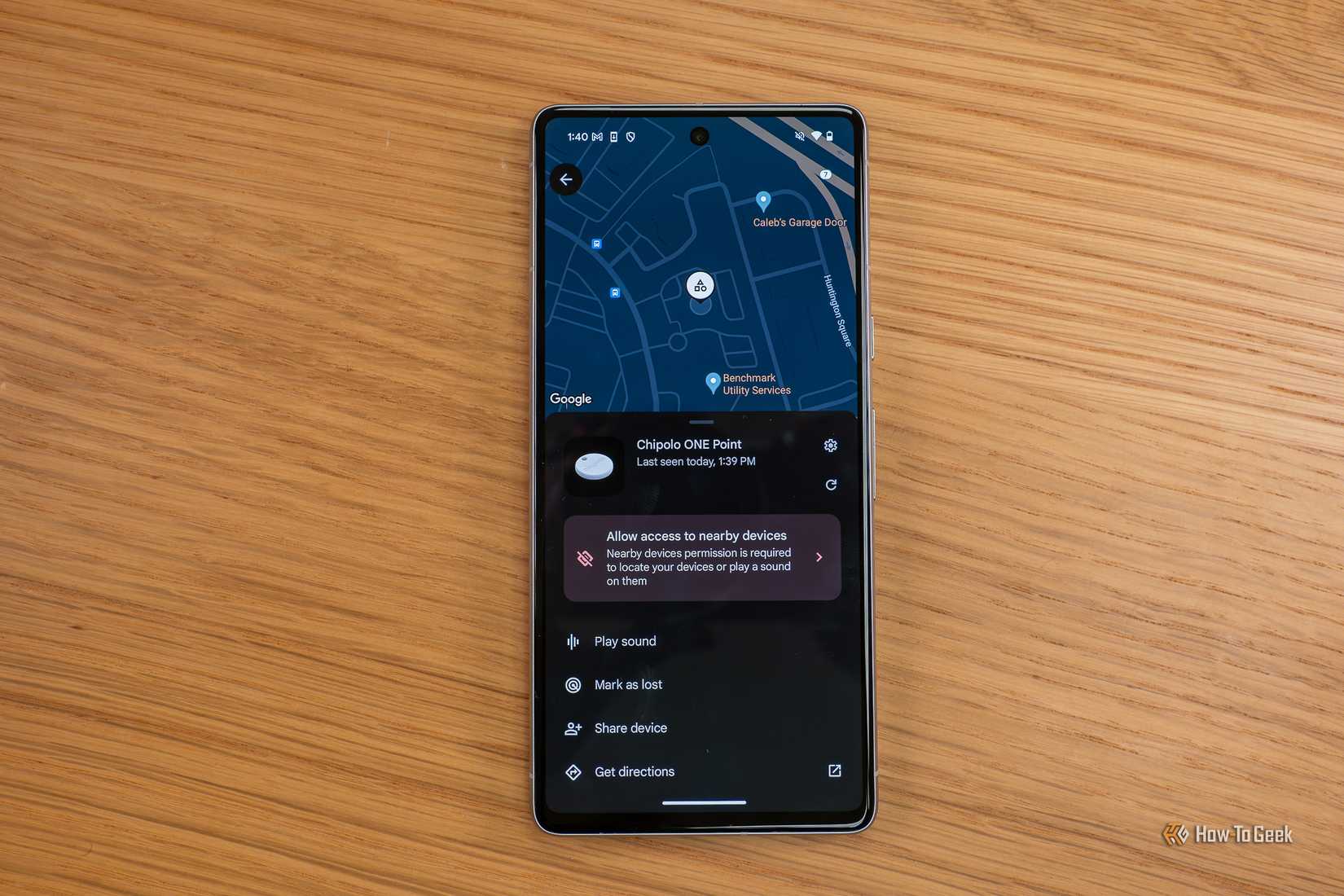
The explanation simultaneous community enhance matters comes the total formula down to easy math: a crowdsourced discovering community is fully as precious as the series of nearby units that could well detect and anecdote your designate’s blueprint. Apple’s Fetch My community runs by default on in actual fact every iPhone, while Android’s Fetch Hub requires users to manually allow a surroundings known as “Network in all areas” to free up its broadest coverage, that capability fewer Android phones actively make a contribution than the raw machine count suggests.
For most other folks, this asymmetry is invisible until they lose one thing in a residing their tracker’s community doesn’t reach neatly. Airports, mixed-ownership households, and cities with a heavier iPhone presence are exactly the scenarios where relying on a single community becomes a felony responsibility. If a Pixel Imprint is hooked up to a backpack and it goes lacking someplace dominated by iPhones, the designate has no procedure of getting picked up unless an Android mobile phone happens to jog by first. On high of that, that Android mobile phone can also no longer even admire the snort toggle it desires to broadcast the designate’s blueprint.
A designate that could well also broadcast to Fetch Hub and Fetch My at the identical time wouldn’t quiz users to select a aspect. It would blueprint on Google’s acknowledged identify of better than one thousand million Android units and Apple’s comparably massive iPhone set up antagonistic with out extend, meaningfully elevating the percentages that a lost item will get spotted like a flash. That’s a clear than selecting the “better” single community and hoping for the finest.
There’s also a practical convenience angle for somebody who switches phones or lives in a mixed household. Fair now, transferring a tracker from one ecosystem to the opposite capability a factory reset and a new pairing process, no longer a toggle in a settings menu.
Are there any selections which admire this?
A few trackers enhance every, but no longer with out extend
A handful of trackers already market themselves as esteem minded with every Apple Fetch My and Google Fetch Hub, and they’re price intellectual about if this characteristic matters to you as powerful as it does to me. Chipolo’s Pop, priced at $29, can also be the finest-identified example, alongside Pebblebee’s fifth-period Clip, Card, and Imprint Popular trackers, KeySmart’s SmartCard Gen 3, and Rolling Sq.’s AirCard Expert line.
The get is the identical across all of them: compatibility is no longer simultaneous.
Every of these trackers connects to a single community at a time, chosen all over preliminary setup, and switching between them requires a factory reset earlier than re-pairing with the opposite app. Chipolo has been rather snort that that is a deliberate designate decision as a replacement of a technical limitation waiting to be patched, since a designate merely cannot feature on every networks with out extend as issues currently stand.
As of now, no user Bluetooth tracker from Google, Apple, or any third get together in actuality declares to every vital discovering networks at the identical time. The Pixel Imprint had a precise different to be the exception, given Google’s regulate over every the hardware and the Fetch Hub machine stack, but it absolutely selected compatibility with its have ecosystem over interoperability with all americans else’s.
For what it be price, despite the incontrovertible truth that, this doubtlessly is no longer up to Google to implement both. Even though it could most likely well well also faucet into Apple’s Fetch My community, it will doubtlessly admire a stressful time in actuality relaying Fetch My records to Android phones, or Fetch Hub records to iPhones which is the scenario where it could most likely well well turn into precious. Here’s one among these issues where Google can also still slide all-in and annoy Apple until it in some procedure opens up Fetch My, magnificent esteem it did with RCS. It would also moreover be procedure more precious this formula.
One community still is no longer sufficient
The Pixel Imprint is a solid AirTag different, but its refusal to bridge Fetch Hub and Apple Fetch My keeps Android users boxed into one crowdsourced community. Till a tracker declares to every simultaneously, mixed households and vacationers will preserve losing out on sooner, more unswerving item restoration.


