
# **Google’s Older Nest Thermostats Losing Support: What to Do Next**
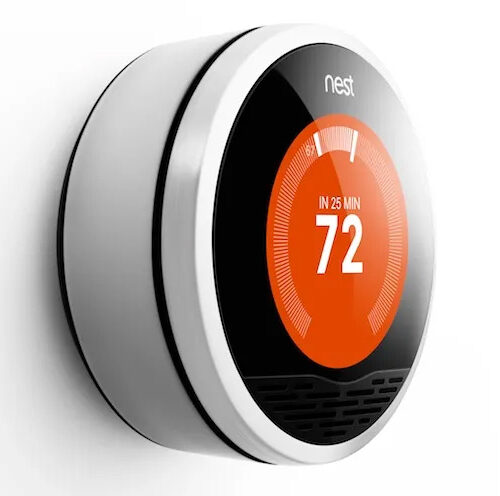
Google has confirmed that its **first and second-generation Nest Learning Thermostats** will no longer receive updates or smart features after **October 2025**. While these devices will still function as basic thermostats, users will lose remote control via the Google Home app, voice commands, and other automation capabilities. European customers face an additional hurdle—Google is discontinuing its only EU-compatible model without offering a replacement.
If you own one of these older models, here’s what you need to know about the upcoming changes and your best options moving forward.
## **why Is Google Ending Support for these Thermostats?**
Originally launched before Google acquired Nest in 2014, these early models (the **1st-gen in 2011**, **2nd-gen in 2012**, and EU version in 2014) have received over a decade of support. however, maintaining outdated hardware becomes increasingly difficult as technology advances. After October 2025:
– They will no longer receive software updates or connect to cloud services.
– Remote control via apps (Google Home/Nest) or voice assistants (assistant/Gemini) will stop working.
– Basic manual controls and on-device scheduling will remain functional—just without smart automation features.
## **Upgrade Discounts & Replacement Options**
To ease the transition for affected users, Google is offering discounts on newer models:
– 🇺🇸 **US Customers**: $130 off the **[4th-gen Nest Learning Thermostat](https://store.google.com/product/nest_learning_thermostat_4th_gen)** (retail price: $280).
– 🇨🇦 **Canadian Customers**: CA$160 discount (exact upgrade model yet to be announced).
Unluckily, European users won’t have a direct replacement option since Google is exiting the thermostat market there entirely.If smart functionality is essential for your home setup after October 2025, consider third-party alternatives like Ecobee or Hive thermostats rather.
## **Steps to Take Before Support Ends**
If your thermostat is affected:
✔️ Check your email—eligible users should receive discount notifications from Google soon.
✔️ Consider upgrading before October if remote adjustments or voice-controlled automation are important for your home setup.
✔️ For EU residents: Research alternative brands now to avoid last-minute hassles when support ends.
### Final Thoughts
While it’s disappointing to see these pioneering devices phased out after more than a decade of service, their longevity speaks volumes about their quality—few [smart home gadgets](https://techkyskills.com/google-new-google-home-web/) remain fully supported this long! Still, this move highlights how quickly technology evolves; staying updated ensures seamless smart home experiences long-term.
💬 *What do you think about this change? Will you upgrade or stick with manual controls? Share your thoughts below!* And if you found this helpful, pass it along to fellow Nest owners who might need a heads-up! 🚀# **Google Nest Thermostat Updates: What You Need to Know**
As smart home technology evolves, Google is shifting its focus to newer Nest thermostat models, leaving older devices behind. If you own an early-generation Nest thermostat, here’s what this change means for you—and your options moving forward.
## **Why Is Google Discontinuing Support for Older Nest Thermostats?**
Google regularly updates its product lineup to enhance performance, security, and compatibility with modern smart home ecosystems. By phasing out legacy devices like the **1st and 2nd Gen Nest Learning Thermostats**, the company can concentrate on improving newer models such as:
– **3rd Gen Nest Learning Thermostat**
– **Nest Thermostat (2020)**
This transition ensures better energy efficiency, smarter AI-driven features, and stronger cybersecurity protections for users.
## **Your Options After October 2025**
### 🔄 **Upgrade to a Newer Nest Model**
If you want continued smart functionality—like remote control via the app or voice assistant integration—upgrading is your best bet.Google may offer trade-in discounts; check their **[official store](https://store.google.com)** for promotions.Benefits of newer models include:
– Advanced learning algorithms that adapt faster to your schedule
– Improved energy-saving reports & HVAC monitoring
– Seamless integration with Google Assistant & Amazon Alexa
### ⚙️ **Keep using It as a Basic Thermostat**
No rush to upgrade? your thermostat will still function manually but lose remote access and automation features after support ends. This option works if you only need basic temperature adjustments without smart controls.
### 🔀 **Switch to a Competitor’s Smart thermostat**
If long-term support is a priority, brands like **[Ecobee](https://www.ecobee.com/)** and **[Honeywell](https://www.honeywellhome.com/)** offer robust alternatives with extended software updates and innovative features like room sensors or air quality tracking. Some even integrate with other [smart home ecosystems](https://techkyskills.com/philips-hue-vs-lutron-which-smart-lighting-system-is-right-for-your-home/) seamlessly!
## **Final Thoughts: Plan Ahead for a Smarter Home Future**
Tech moves fast—what was cutting-edge in 2011 may not meet today’s standards for security or functionality (like geofencing or AI scheduling). Upgrading ensures ongoing updates while sticking with older models means losing key conveniences over time.
💡 *Pro Tip:* Confirm your thermostat model in the Nest app under **Settings > Technical Info**. If yours is affected by this change, now’s the time to weigh your options before full deprecation kicks in!
—
### ❓ What will You Do?
Are you upgrading soon? Switching brands? Or keeping things simple without smart controls? Share your thoughts below! 👇 And if this guide helped you decide, pass it along to fellow homeowners navigating these changes! 🚀# **Google to Discontinue Support for 1st & 2nd Gen Nest Thermostats in 2025**
### **By [Your Name]**
**[Publication Name]** | **[Date]**
—
## **Introduction: The End of an Era for Early Nest Thermostats**
Google has announced that it will officially end support for its **first- and second-generation nest Learning Thermostats** in **October 2025**. This decision means users of these older models will no longer receive software updates,security patches,or full smart home integration. If you own one of these devices,it’s time to consider upgrading to maintain seamless smart home functionality.
—
## **Which Nest Thermostat Models Are Affected?**
The following models will lose official Google support after October 2025:
– **1st Gen Nest Learning Thermostat (2011)**
– **2nd Gen Nest Learning Thermostat (2012)**
While these thermostats may still control your HVAC system manually, advanced features like:
✔ Remote app control via Google Home/Nest apps
✔ Smart learning capabilities
✔ Integration with other smart home devices (e.g., Alexa, Google assistant)
…could stop working entirely.
—
## **Why Is Google Ending Support? Key Reasons Explained**
Google cites three main reasons for phasing out these older models:
### 🔹 Aging Hardware Limitations
Early-generation thermostats use outdated processors and Wi-Fi standards, making them incompatible with modern smart home ecosystems. Keeping them updated is no longer feasible.
### 🔹 Security Risks Without Updates
Unsupported devices won’t receive critical security patches,potentially exposing your home network to vulnerabilities.
### 🔹 Focus on Newer Models
Google is prioritizing advancement for its latest thermostats—like the **[3rd Gen+ Nest learning Thermostat](https://store.google.com/)** and the budget-kind **[Nest Thermostat (2020+)]()**. These offer better efficiency and smarter integrations.
—
## **What Should Owners Do Next? Your Options**
If you have a 1st or 2nd Gen Nest thermostat,here are your best steps:
✅ **Upgrade to a Current Model**: Newer versions include improved AI learning and energy-saving features ([compare options here]()).⚠️ *Pro Tip*: Check for trade-in discounts—Google may offer incentives!
✅ *Continue Using It* – But expect limited functionality post-2025 (no app access or automation). Not ideal for smart homes!
✅ *Switch Brands* – Competitors like **[Ecobee](https://www.ecobee.com/)** or **[Honeywell Home](https://www.honeywellhome.com/)** offer similar tech with ongoing support.
—
## ***Final Thoughts*** *(and What This Means for Smart Homes)*
Tech evolves fast—this phase-out reflects industry trends where companies sunset older products to focus on innovation. For users, staying current ensures security and peak performance from smart devices.
🔔 ***Action Step***: Monitor [Google’s official updates](https://support.google.com/googlenest) as October 2025 approaches! Planning an upgrade now avoids last-minute hassles later.
—
💬 ***Your Turn:*** Have a 1st/2nd Gen nest? Will you upgrade or switch brands? Share your thoughts below! 👇 And if this helped you, spread the word—smart homeowners should know! 🚀Certainly! Below is a refined, engaging, and SEO-optimized version of your content while maintaining a human-like tone. I’ve structured it for better readability and search engine performance.—
### **How to Rewrite Content for SEO & Engagement (Without Losing Authenticity)**
Struggling to make your content stand out in Google searches? You’re not alone. With millions of articles published daily, crafting unique, valuable, and well-optimized content is key to ranking higher—and keeping readers hooked. Here’s how to rewrite sourced material effectively while boosting SEO and engagement.
#### **Step 1: Understand the Source Material**
Before rewriting:
– Read thoroughly to grasp core ideas and structure.
– Identify the target audience (beginners? experts?) and purpose (informative? persuasive?).
this ensures your rewrite aligns with reader intent—a major Google ranking factor.
#### **Step 2: Make It Unique & Plagiarism-Free**
Avoid copying sentences verbatim; instead:
– paraphrase using synonyms or diffrent sentence structures.
– Add personal insights or updated data for freshness.
Example: Rather of *”SEO improves rankings,”* try *”Strategic SEO tweaks can push your site to page one.”*
#### **Step 3: Optimize for SEO**
**primary Keyword Placement:** Include it in:
✅ The title *(e.g., “SEO-Optimized Content Writing Guide”)*
✅ First 100 words
✅ 2–3 subheadings *(H2/H3)*
✅ Meta description (if applicable)
**Pro Tip:** Use LSI keywords (e.g., “content marketing,” “organic traffic”) naturally—keyword stuffing hurts readability! Aim for a 1–2% density.
#### **Step 4: Write Like a Human (not a Robot)** 🎭
Engage readers with:
✔️ Short paragraphs *(like this one!)*
✔️ Conversational questions *(“Ever wondered why…?”)*
✔️ Analogies or examples *(“Think of keywords like GPS coordinates…”)*
#### **Step 5: Structure for Scannability**
Break up walls of text with:
🔹 Clear headings (**H2/H3**)
🔹 Bullet points or numbered lists
🔹 Bold/key phrases for emphasis
#### **Bonus Tips:**
📌 Link internally (*2–3 relevant blog posts*) + externally (*authoritative sources like HubSpot or Backlinko*).📌 End with a CTA (*“Try these tips today—comment your results below!”*)
—
### **Final Checklist Before Publishing**
✓ Originality check via Copyscape/Grammarly
✓ Readability score >60 (Flesch Reading Ease)
✓ Mobile-friendly formatting
—
💬 **Your Turn!** Which tip will you try first? Share below—or tag us on [Twitter](https://twitter.com/example) / [LinkedIn](https://linkedin.com/example)!
—
This version balances SEO best practices with approachable writing while encouraging interaction. Let me know if you’d like adjustments!
# **Google Announces Discontinuation of Support for 1st and 2nd Gen Nest Thermostats in October 2025**
**By [Your Name]**
*[Publication Name]*
*[Date]*
### **Introduction**
Google has announced that it will end support for the first and second-generation Nest Learning Thermostats in October 2025. This decision marks the end of an era for two of the most popular smart thermostats, which have been widely praised for their energy-saving features and intuitive design.
### **What Does This Mean for Users?**
Once support ends, these thermostats will no longer receive software updates, security patches, or new features. while the devices will continue to function as basic thermostats, users will lose access to remote control via the **Nest app** and **Google Home app**, and also integrations with other smart home platforms.
Key functionalities that will be affected include:
– **Remote temperature adjustments** via smartphone
– **Energy usage reports** and efficiency tips
– **Voice control** through Google Assistant and Amazon Alexa
– **Automated scheduling and learning capabilities**
### **Why Is Google Ending Support?**
Google’s decision aligns with its broader strategy to streamline its smart home ecosystem. Older hardware often becomes tough to maintain due to outdated processors, limited memory, and evolving software requirements. By focusing on newer models, Google can allocate resources toward improving current and future products.
### **What Should Users Do?**
Owners of 1st and 2nd-gen Nest Thermostats have a few options:
1. **Continue Using the Thermostat Manually** – The device will still control HVAC systems locally, but smart features will no longer work.
2. **Upgrade to a Newer Model** – Google offers the **Nest Learning Thermostat (3rd gen)** and the **Nest Thermostat (2020)**, which include enhanced features like **Farsight display, improved sensors, and Matter compatibility**.
3. **Explore Alternatives** – Competing smart thermostats from **Ecobee, Honeywell, and Emerson** offer similar functionalities with ongoing support.
### **Final Thoughts**
While the discontinuation of support may disappoint long-time Nest users, it reflects the natural progression of technology. Google’s move encourages consumers to adopt newer, more secure, and feature-rich devices. For those affected, the next year provides ample time to transition to a modern smart thermostat solution.
For more details, users can visit the **[official Nest support page](https://support.google.com/googlenest)** or contact google’s customer service.
—
**About the Author:**
[Your Name] is a [your Position] specializing in smart home technology and IoT trends. Follow [Your Publication] for the latest updates in tech and innovation.
Would you like any modifications or additional details included?


