
Here’s your comprehensive article based on the provided source content, incorporating SEO best practices, a professional tone, and additional analysis:
Dolby Vision 2: Revolutionizing HDR or Compromising Filmmaker Intent?
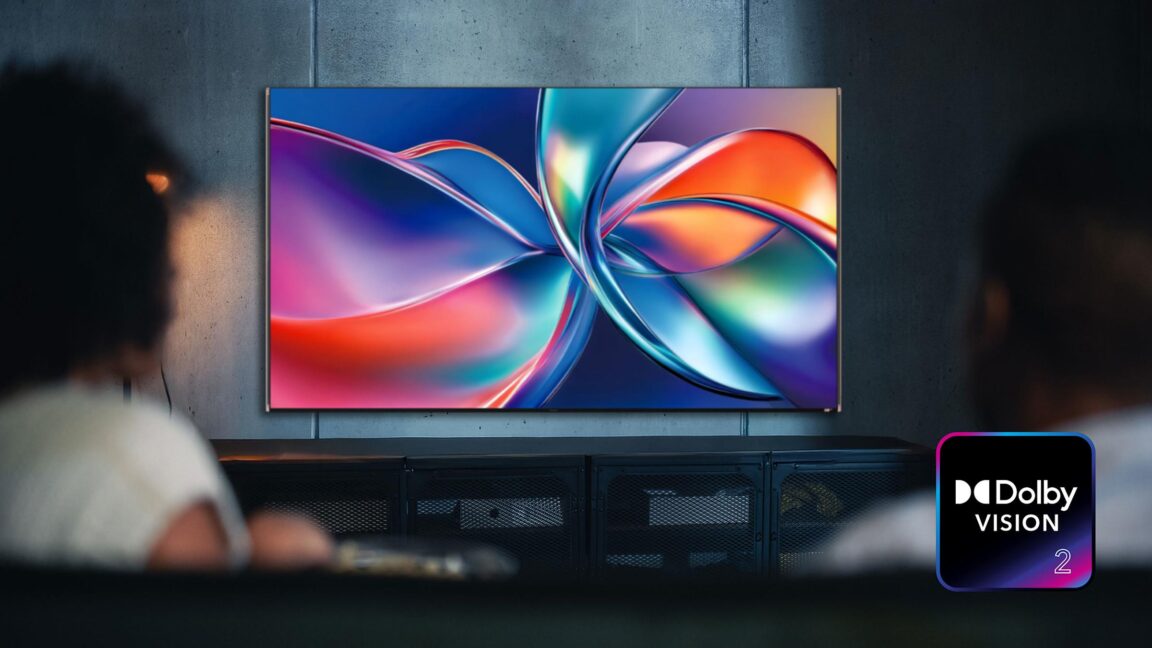
Have you ever struggled to see what’s happening on screen during a particularly dark scene, even on a high-end TV? Dolby hopes to eliminate this frustration with its latest innovation. Dolby has announced the arrival of Dolby Vision 2, the highly anticipated successor to its industry-leading Dolby Vision HDR format. This new iteration promises to bridge the gap between the creative vision of filmmakers and the diverse viewing environments of consumers, but will it truly deliver on that promise without sacrificing artistic integrity? This article delves into the new features of Dolby Vision 2, examining its potential impact on the future of home entertainment.
Understanding Dolby Vision 2: A Deeper Dive into the Next-Generation HDR Technology
Dolby Vision revolutionized home viewing by enabling content creators to finely tune HDR content. Now, Dolby Vision 2 aims to expand upon that control, incorporating elements of motion handling and environmental awareness. The core goal is to deliver the optimal viewing experience regardless of room lighting or display capabilities. This represents a significant shift from the original Dolby Vision, which primarily focused on maximizing dynamic range and color accuracy on compatible displays.
Content Intelligence: Adapting HDR to Your Viewing Environment
One of the central pillars of Dolby Vision 2 is “Content Intelligence.” This feature leverages “AI capabilities” to analyze and adjust the image based on several factors. Most notably, it seeks to address the common complaint of excessively dark scenes in movies and TV shows. Content Intelligence is the “Brain” that improves clarity in any viewing environment without compromising intent. This AI driven technology uses ambient light detection sensors to adjust the content’s presentation based on how bright the viewer’s room is.
Addressing the “Too Dark” Problem:
Many filmmakers and editors master their content in controlled, dark room environments with high-end displays. This often leads to issues for viewers with less-than-ideal setups, resulting in a dim and unsatisfying viewing experience. Prominent examples of content frequently criticized for being too dark include episodes of Game of Thrones (particularly “The Long Night”) and shows like Silo on Apple TV+.
Content Intelligence intends to solve this problem by intelligently brightening dark areas and adjusting contrast based on ambient light levels. Dolby claims this will be done without sacrificing the original artistic intent. The tech is designed to provide a more balanced and visible image across a wide range of viewing conditions.
How Does Content Intelligence Work?
While the exact algorithms used are proprietary, we can infer that Content Intelligence likely utilizes the following:
- Ambient Light Sensors: Integrated sensors in the TV measure the ambient light in the room.
- Scene Analysis: AI algorithms analyze the content being displayed, identifying areas that are excessively dark or lack detail.
- Dynamic Adjustment: Based on the sensor data and scene analysis, the system dynamically adjusts brightness, contrast, and gamma to improve visibility without introducing unwanted artifacts or clipping highlights.
The Potential Pitfalls of Content Intelligence
While the promise of automatically optimized visuals is appealing, some concerns exist:
- Compromising Artistic Intent: Some argue that altering the original color grading and contrast levels of a film or show undermines the director’s vision. What one person considers “too dark,” another might see as atmospheric and intentional.
- Over-Brightening: Overzealous adjustment could lead to washed-out colors and a loss of subtle details in brighter scenes.
- Inconsistent Results: The effectiveness of Content Intelligence will likely depend on the quality of the TV’s sensors and the sophistication of the AI algorithms. Results may vary significantly between different models and brands.
Authentic Motion: Is This the End of Soap Opera Effect?
Another key feature of Dolby Vision 2 is “Authentic Motion,” and it’s this aspect that’s generating considerable debate. The main goal here is to improve motion handling, addressing issues like judder and blur. This has some purists worried that this technology will include motion smoothing, also known as the “soap opera effect” – a visual processing feature that gives a hyperrealistic quality to on-screen motion.
Motion Smoothing: A Divisive Technology
Motion smoothing, or motion interpolation, is a technology that artificially increases the frame rate of video content. It works by inserting new frames between the original ones, creating a smoother, more fluid motion. While some viewers find this visually appealing, others consider it jarring and unnatural. The “soap opera effect” earned its name because it tends to make movies and TV shows look like low-budget soap operas.
Authentic Motion: The Hope for Refined Motion Handling:
Dolby’s intention with Authentic Motion is presumably to provide a more nuanced and accurate representation of motion. This could involve:
- Judder Reduction: Judder is a stroboscopic effect that occurs when displaying low frame rate content on high refresh rate displays. Authentic Motion could employ techniques like black frame insertion or frame rate conversion to minimize judder without introducing the soap opera effect.
- Motion Blur Reduction: By intelligently analyzing and sharpening moving objects, Authentic Motion could improve clarity and reduce motion blur.
The Fear of Unwanted Motion Smoothing
The concern among videophiles is that Authentic Motion will be implemented in a way that resembles traditional motion smoothing. This could lead to:
- Artificial Look: An unnatural and hyper-smooth appearance that detracts from the cinematic experience.
- Loss of Detail: Excessive smoothing can sometimes blur fine details and reduce overall image sharpness.
- Incompatibility with Intent: Many filmmakers intentionally use specific frame rates to create a certain aesthetic. Motion smoothing can disrupt this intent and alter the overall feel of the content.
Dolby Vision 2 Features: A Summary
| Feature | Description | Potential Benefits | Potential Drawbacks |
|---|---|---|---|
| Content Intelligence | Uses AI and ambient light sensors to adjust image settings based on viewing environment. | Improved visibility in dark scenes, more balanced picture in various lighting conditions. | Compromising artistic intent, over-brightening, inconsistent results. |
| Authentic Motion | Aims to improve motion handling, potentially reducing judder and blur. | Smoother motion, increased clarity, reduced eye strain. | Unwanted motion smoothing (soap opera effect), artificial look, loss of detail. |
The Future of Dolby Vision: Balancing Technology and Art
Dolby Vision 2 represents a significant evolution in HDR technology. By incorporating Content Intelligence and Authentic Motion, Dolby aims to deliver a more immersive and enjoyable viewing experience for a wider range of consumers. However, the success of Dolby Vision 2 will depend on striking a delicate balance between technological innovation and artistic preservation. Whether it truly enhances the viewing experience without sacrificing the creative vision of filmmakers remains to be seen.
What do you think about the new features in Dolby Vision 2? Will “Content Intelligence” and “Authentic Motion” improve your viewing experience, or will they compromise the artistic integrity of the content? Share your thoughts in the comments below!
Sources & Further Reading:
Original article at arstechnica.com


