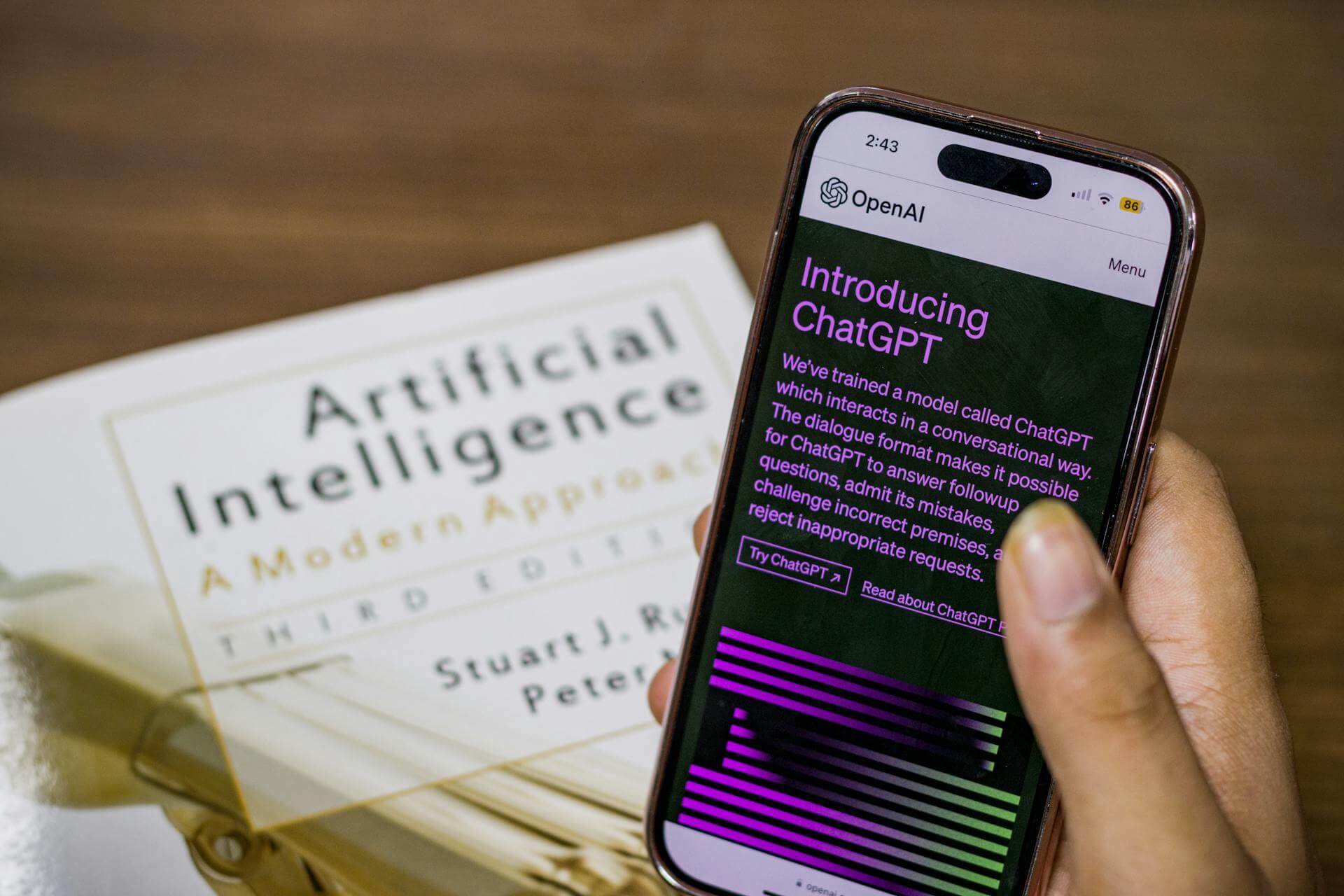

The ChatGPT Phenomenon: Unveiling How People Are Really Using AI
Are we on the cusp of a technological revolution, or are we slowly outsourcing our brains to algorithms? The rise of ChatGPT has sparked intense debate, and understanding how people are actually using this powerful AI is crucial. From crafting emails to seeking life hacks, ChatGPT has rapidly become a ubiquitous tool. This article delves into the most prevalent uses of ChatGPT, explores the potential benefits and drawbacks, and examines the long-term implications of relying on artificial intelligence for everything from practical guidance to creative writing.
Decoding the Popularity of ChatGPT: A Deep Dive
ChatGPT’s meteoric rise can be attributed to its accessibility and versatility. Unlike previous AI tools, ChatGPT is designed to be conversational, allowing users to interact with it using natural language. This ease of use has opened the floodgates to a wide range of applications, impacting various aspects of daily life. But what exactly are people leveraging this technology for?
Practical Guidance: Navigating Life’s Challenges with AI Assistance
According to recent data, the primary use case for ChatGPT is seeking “practical guidance,” accounting for a substantial 28.3% of all conversations. This broad category encompasses a diverse spectrum of requests, ranging from troubleshooting technical issues to obtaining advice on personal projects.
Think of it as having a readily available expert on almost any topic. Users are turning to ChatGPT for:
- Schoolwork Assistance: Students use it to understand complex concepts, generate outlines for essays, and even get help with coding assignments. It can explain the Pythagorean theorem or provide examples of iambic pentameter. However, the ethical implications of using AI for academic work are a growing concern, as highlighted by discussions on academic integrity.
- Career Advice: Job seekers are leveraging ChatGPT to refine their resumes, prepare for interviews, and negotiate salaries. It can analyze job descriptions and provide tailored responses to common interview questions.
- DIY Project Support: Homeowners and hobbyists are using ChatGPT to get step-by-step instructions for various DIY projects, from fixing a leaky faucet to building a birdhouse.
- Workout and Nutrition Tips: Individuals are seeking personalized fitness and diet plans from ChatGPT. It can generate workout routines based on specific goals and dietary restrictions. However, it’s crucial to remember that AI-generated health advice should always be reviewed by a qualified professional.
- Travel Planning: From suggesting itineraries to finding the best deals on flights and accommodation, ChatGPT can assist with various aspects of travel planning.
The appeal of ChatGPT in this context lies in its ability to provide instant, personalized advice. However, it’s important to critically evaluate the information provided and cross-reference it with reputable sources. Wikipedia, for example, offers a wealth of information on various topics, which can be used to verify the accuracy of ChatGPT’s responses.
Writing: Unleashing Creative Potential or Stifling Originality?
The second most common use of ChatGPT is for “writing.” This encompasses a wide range of writing-related tasks, from generating content for websites and social media to crafting emails and reports. The speed and efficiency of ChatGPT make it an attractive tool for content creators and businesses alike.
Specific writing applications include:
- Content Creation: Businesses use it to generate blog posts, articles, and website copy. This can significantly reduce the time and cost associated with content marketing.
- Email Composition: ChatGPT can assist in drafting professional and persuasive emails, saving users time and effort.
- Report Writing: Researchers and professionals use it to summarize data, generate outlines, and draft reports.
- Creative Writing: Aspiring authors are using ChatGPT to brainstorm ideas, develop characters, and even write entire scenes.
- Code Generation: While not technically writing, ChatGPT’s ability to generate code in various programming languages falls under this category. It can assist developers in automating tasks and creating simple applications.
While ChatGPT can be a valuable tool for writers, it’s important to be aware of its limitations. AI-generated content can sometimes lack originality and creativity. Furthermore, concerns about plagiarism are significant, as AI models are trained on vast datasets of existing text. It’s crucial to use ChatGPT as a tool to augment human creativity, not to replace it entirely.
Information Seeking: Accessing Knowledge at Your Fingertips
The third most popular use case for ChatGPT is “seeking information.” This aligns with the traditional role of search engines, but ChatGPT offers a more conversational and interactive experience. Instead of simply providing a list of links, ChatGPT can synthesize information from multiple sources and present it in a concise and understandable format.
Examples of information seeking with ChatGPT include:
- Research Assistance: Students and researchers use it to gather information on specific topics, summarize research papers, and identify relevant sources.
- General Knowledge: Users can ask ChatGPT questions about a wide range of topics, from historical events to scientific concepts.
- News Summarization: ChatGPT can provide concise summaries of current events, saving users time and effort.
- Product Information: Consumers can use it to gather information about products and services, compare prices, and read reviews.
While ChatGPT can be a convenient source of information, it’s crucial to be aware of its potential biases and inaccuracies. AI models are trained on data that may reflect existing societal biases, and they can sometimes generate incorrect or misleading information. Always verify the information provided by ChatGPT with reputable sources.
The Shadow Side: Potential Drawbacks of Over-Reliance on AI
While the benefits of ChatGPT are undeniable, it’s important to consider the potential drawbacks of over-reliance on artificial intelligence.
A recent MIT study has raised concerns that AI tools are reducing “engagement in deep, reflective thinking.” By providing instant answers and solutions, these tools may discourage users from engaging in critical analysis and problem-solving. This could have long-term consequences for cognitive development and intellectual curiosity.
Furthermore, a research paper from Microsoft and Carnegie Mellon University has raised “concerns about long-term reliance” on AI. As we become increasingly dependent on AI tools, we may lose essential skills and become less capable of independent thought and action. This is a complex issue that requires careful consideration.
Here’s a comparison table summarizing the key benefits and drawbacks:
| Feature | Benefit | Drawback |
|---|---|---|
| Practical Guidance | Instant, personalized advice | Potential inaccuracies, lack of critical evaluation |
| Writing | Increased efficiency, content generation | Lack of originality, plagiarism concerns |
| Information Seeking | Convenient access to knowledge, summarization | Potential biases, reliance on potentially flawed data |
| Overall | Increased productivity, enhanced learning | Reduced critical thinking, over-reliance on technology |
The Future of AI and Human Interaction
The widespread adoption of ChatGPT is transforming the way we learn, work, and interact with the world. While the potential benefits are significant, it’s crucial to be aware of the potential drawbacks and to use AI responsibly. We must strive to maintain our critical thinking skills, avoid over-reliance on technology, and ensure that AI serves as a tool to augment human capabilities, not to replace them. The ethical implications of AI, including job displacement and the spread of misinformation, require ongoing discussion and careful consideration.
Conclusion: Navigating the AI Landscape
ChatGPT has undeniably made its mark on the digital landscape, becoming a go-to resource for practical guidance, writing assistance, and information seeking. Its popularity underscores the growing integration of AI into our daily lives. However, as we embrace these advancements, it’s crucial to remain vigilant about the potential consequences of over-reliance and the erosion of critical thinking skills. What do you think about the increasing use of AI in daily life? Comment below and share your perspective!
Sources & Further Reading:
Original article at tech.co


