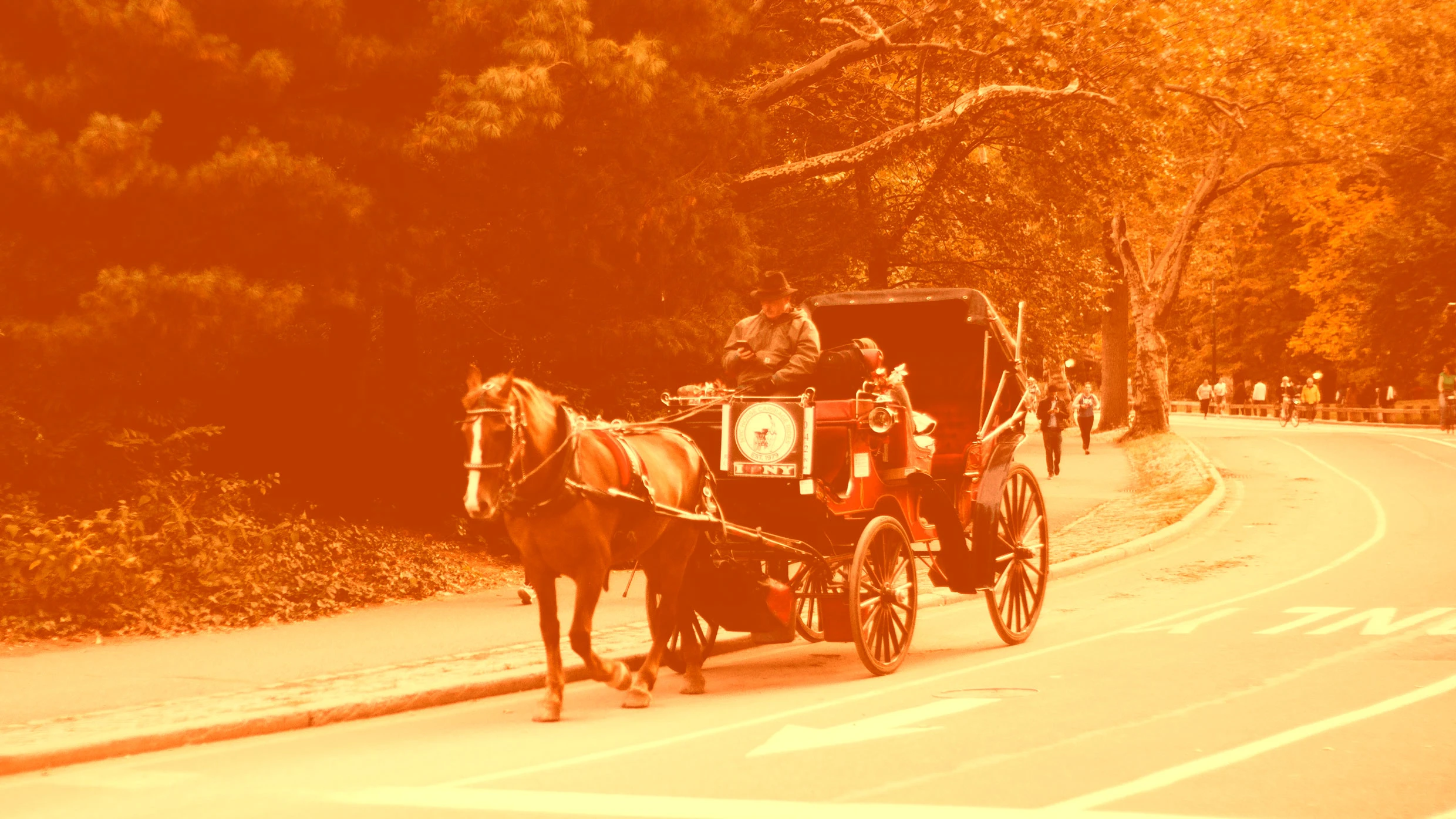

Are Central Park’s Horse-Drawn Carriages Heading for the History Books?
For over a century and a half, the clatter of hooves and the gentle sway of horse-drawn carriages have been synonymous with the romantic charm of New York City’s Central Park. But is this iconic scene on borrowed time? A growing online movement, fueled by concerns about animal welfare and public safety, is gaining momentum in its efforts to ban horse-drawn carriages from the park. The debate is intensifying, with social media influencers leveraging their platforms to shine a spotlight on what they see as an outdated and cruel practice. The future of these carriages, and the horses that pull them, hangs in the balance.
The “Horsefluencers”: A New Breed of Activist
The traditional image of animal rights activism – protests, leaflets, and lobbying – is being augmented by a new and potentially more powerful force: social media influencers. Dubbed “horsefluencers” by some, these individuals are using platforms like TikTok and Instagram to expose alleged mistreatment of carriage horses and advocate for their removal from Central Park.
One such influencer, Kristina Papilion (@spare_time_gurl), has gained a significant following by documenting her interactions with carriage drivers and educating tourists about the realities of the industry. Papilion’s activism was sparked by the recent death of a carriage horse named Lady, who collapsed and died on 11th Avenue. “My hope is that the more people see how outdated and cruel this practice is, the harder it becomes to ignore,” Papilion told Fast Company.
Dylan Kevitch, another TikToker, has also used his platform to voice his opposition to the horse-drawn carriages. His video, in which he confronts a carriage driver, has garnered millions of views, demonstrating the potential reach and impact of social media activism.
The Power of Visual Storytelling
Social media platforms are inherently visual, making them ideal for conveying the emotional impact of animal welfare concerns. Images and videos of horses laboring in extreme weather, confined in small stables, or exhibiting signs of distress can be highly persuasive, swaying public opinion and generating support for animal rights causes.
- Before & After Images: Showcasing rescue horses compared to carriage horses.
- Expose Videos: Capturing moments of perceived mistreatment or neglect.
- Educational Content: Sharing facts about horse physiology and their needs.
The Role of Hashtags and Viral Campaigns
Hashtags like #BanHorseCarriages and #CentralParkHorses are facilitating the spread of information and connecting like-minded individuals. Viral campaigns, often driven by emotionally resonant content, can quickly amplify the message and pressure authorities to take action.
The History and Controversy of Central Park’s Horse-Drawn Carriages
The history of horse-drawn carriages in Central Park stretches back over 150 years. Initially, they served as a mode of transportation for the wealthy, evolving into a tourist attraction over time. However, alongside their historical significance and aesthetic appeal, concerns about animal welfare have plagued the industry for decades.
A Timeline of Key Events
- 1850s: Horse-drawn carriages become common in Central Park.
- Late 20th Century: Animal rights groups begin protesting the industry.
- 2014: Mayor Bill de Blasio pledges to ban horse-drawn carriages but faces strong opposition.
- 2022: Ryder’s Law is introduced following the death of a carriage horse.
- 2023: Lady’s death reignites the debate and strengthens the anti-carriage movement.
The Animal Welfare Debate
Opponents of horse-drawn carriages argue that the industry is inherently cruel, citing the following concerns:
- Exhaustion and Overwork: Horses are often forced to work long hours in extreme weather conditions, leading to exhaustion and dehydration.
- Traffic Hazards: Horses are vulnerable to accidents in busy city traffic, posing a risk to themselves, their drivers, and pedestrians.
- Air Pollution: Horses are exposed to high levels of air pollution, which can damage their respiratory systems.
- Unnatural Environment: The urban environment is unsuitable for horses, who are naturally adapted to living in open pastures.
- Stabling Conditions: Stables can be cramped, poorly ventilated, and lacking in adequate space for horses to move freely.
The Economic Argument
Proponents of the industry argue that banning horse-drawn carriages would have a negative impact on the livelihoods of carriage drivers and stable workers. They also claim that the carriages are a valuable tourist attraction that contributes to the city’s economy. However, opponents counter that alternative tourist attractions, such as electric carriages or guided walking tours, could provide alternative employment opportunities.
Ryder’s Law and the Push for a Ban
The death of Ryder, a carriage horse who collapsed in 2022, served as a catalyst for renewed efforts to ban horse-drawn carriages. Ryder’s Law, introduced in the wake of his death, seeks to phase out and ban horse-drawn carriages in New York City by 2026.
The Central Park Conservancy’s Stance
For the first time, the Central Park Conservancy has thrown its support behind Ryder’s Law, citing public safety concerns. The Conservancy argues that the horse carriages have become a safety hazard in an increasingly crowded park, particularly after several incidents of horses getting spooked and bolting without anyone at the reins.
Opposition and Challenges
Despite growing support for a ban, the horse-drawn carriage industry continues to resist efforts to shut it down. The Transport Workers Union, which represents the carriage drivers, argues that the ban would unfairly target their members and deprive tourists of a beloved tradition.
The debate raises complex questions about animal welfare, economic interests, and the preservation of historical traditions. Finding a solution that satisfies all parties will be a difficult but necessary task.
What Does the Future Hold for Central Park’s Carriage Horses?
The future of horse-drawn carriages in Central Park remains uncertain. While the growing online movement and the support of organizations like the Central Park Conservancy have increased the pressure on city officials to take action, the industry’s resistance and the complexities of the issue make it difficult to predict the outcome.
Here’s a comparison of arguments:
| Argument For Banning | Argument Against Banning |
|---|---|
| Animal welfare concerns | Economic impact on drivers |
| Public safety risks | Tourist attraction value |
| Outdated practice | Historical tradition |
| Alternative tourist options exist | Job losses for stable workers |
Several potential scenarios could unfold:
- Complete Ban: Ryder’s Law could be enacted, leading to a complete ban on horse-drawn carriages by 2026.
- Compromise Solution: A compromise could be reached, such as limiting the number of carriages, restricting their operating hours, or imposing stricter regulations on animal welfare.
- Status Quo: The industry could successfully resist efforts to ban it, and horse-drawn carriages could continue to operate in Central Park for the foreseeable future.
The ultimate decision will likely depend on a combination of factors, including public opinion, political will, and the ongoing efforts of both proponents and opponents of the industry.
Conclusion
The debate surrounding horse-drawn carriages in Central Park highlights the evolving relationship between humans and animals in urban environments. As social media amplifies concerns about animal welfare and public safety, the pressure to modernize and adapt traditional practices is growing. Whether Central Park’s horse-drawn carriages will become a relic of the past or continue to be a part of its present remains to be seen. The rise of “horsefluencers,” coupled with legislative efforts like Ryder’s Law, suggest a significant shift in the narrative.
What do you think? Should horse-drawn carriages be banned from Central Park, or is there a way to preserve this tradition while ensuring the well-being of the horses? Share your thoughts in the comments below!
Sources & Further Reading:
Original article at www.fastcompany.com


