
Apple Breaks Convention: Why a Multi-City Event Signals Major Shakeups Ahead
What happens when Apple bypasses its usual press release routine for multiple simultaneous launch events? On March 4, 2026, Apple will host a “special Apple Experience” across New York, London, and Shanghai—a rare coordinated spectacle reserved for pivotal moments. This choice underscores the perceived significance of upcoming hardware updates, far exceeding incremental spec bumps. For consumers and competitors alike, this Apple event promises strategic pivots in affordability, performance, and ecosystem integration during Apple’s critical spring hardware cycle.
The Evolution of Apple’s Silicon Strategy
M5 Series Revolutionizes Pro Workflows
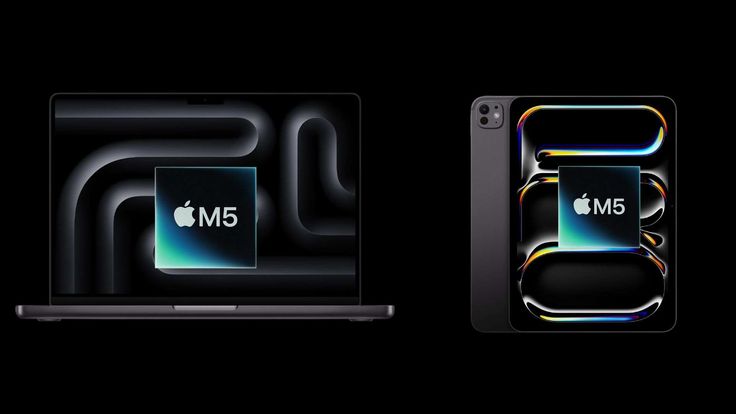
Expectations center on a MacBook Pro refresh featuring M5 Pro and M5 Ultra chips. Leaks indicate these processors will leverage next-gen TSMC fabrication (3nm or beyond), boosting AI workloads and GPU throughput by 20-30% while slashing energy consumption. Crucially, thermals remain unchanged—Apple’s cooling architecture continues prioritizing sustained performance for creators and developers. Pricing should mirror current tiers:
- M5 Pro (10-core CPU/30-core GPU): Starting around $1,999
- M5 Max (12-core CPU/40-core GPU): Starting around $3,499
Affordability Takes Center Stage
MacBook Air Evolution vs. Subversive Entry
The M5 MacBook Air retains its iconic thin design but nets processor uplifts for everyday users. More intriguing? A rumored budget MacBook leveraging an iPhone-grade chipset—potentially an A18 derivative—targeting classrooms and cost-conscious buyers. Features include:
- 12.8-inch display, aluminum body via rumored “cost-optimized machining”
- Multiple color options, reminiscent of iMac palettes
- Pricing estimated at $699–$799, undercutting Apple’s standard laptop entry point
This positions Apple against Chromebooks in education markets while retaining premium materials. Developers should anticipate iOS-inspired efficiencies, not M-series horsepower. As Counterpoint Research notes, Apple captured 10.8% of global laptop shipments in 2025—cheaper models could widen this lead.
Desktops Stepping Up
Power Compacted
The Mac Studio updates target professionals needing desktop-tier power without size. Twin configurations—M5 Max and M5 Ultra—target rendering workflows, with speculation about RAM topping 256GB.
| Chipset | Target Users | Expected Price |
|———|———————————–|—————|
| M5 Max | Video Editors, Architects | $2,199–$2,499 |
| M5 Ultra | AI Developers, High-Res Animation | $3,999–$4,499 |
Design remains identical, though enhanced NVMe speeds could further reduce project load times.
Beyond Computers: Ecosystem Integrations
iPhone & iPad Expansions
A surprise iPhone 17e entry could appear—a budget model injecting premium features (Dynamic Island, MagSafe) into Apple’s cheapest tier (~$599). This pressures Android value flagships by retaining ecosystem stickiness like FaceTime and NFC payments.
IPad updates aim for computational muscle:
- Entry-level iPad: A18/A19 chip + 8GB RAM—massive leap forその基礎モデル.
- iPad Air: M4 chip narrowing the gap with MacBooks for hybrid workflows. application
The Long Game: Accessories & Smart Home
Minor hardware refreshes appear likely:
- Apple Studio Display with ProMotion refresh rates for smoother workflows
- Second-gen HomePod mini with enhanced spatial audio
- Rumored next-gen Apple TV optimizing Apple Fitness+ integration
- A “Home Hub” integrating Thread and Matter standards hints at Apple’s latent smart home ambitions
This positions Apple further into ambient computing—think smart displays consolidating home control.
Why This Event Changes Apple’s Playbook
Historically, spring events focused on iPad refreshes. Presenting across three cities highlights confidence in appealing products across key markets. Consider:
- Shanghai prioritizes the budget MacBook in Asia-Pacific education sectors.
- London/London events target creative pros upgrading Mac Studios.
Apple’s once-clear product tiers now blur: MacBooks span $699–$4,500 (before Pros), iPads carry M-series power, and cheaper iPhones borrow premium DNA. Supply chain analysts speculate these moves defend market share amid flat global device growth.
For shoppers? Patience pays off. New releases drive previous-gen hardware discounts—especially iPad + MacBook Air models post-event.
Every Apple shift sparks debates: Will hybrid ARM-powered devices displace Intel/AMD counterparts? Does a “cheap MacBook” compromise Apple’s premium ethos? With affordable access points, richer AI functionalities, and fusion-chip innovations, March 4th aims to reset expectations. Now share your predictions—should Apple dominate the value market, or does prestige remain its priority?


