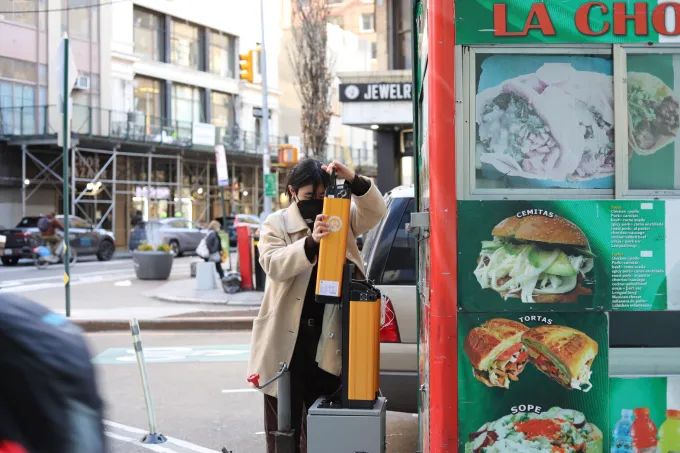

The Silent Shift: How E-Bike Batteries Are Electrifying NYC’s Street Food Scene
Ever ordered a mouth-watering meal from a NYC food cart, only to recoil from the rumble and fumes of its generator? You’re not alone. Thousands of sidewalk vendors power refrigeration, lighting, and appliances using gas generators – creating noise pollution, belching exhaust, and costing owners dearly. Food cart electrification is emerging as a critical solution, promising cleaner streets and quieter meals. Leading this charge is Brooklyn’s PopWheels, repurposing its e-bike battery network in a surprising yet brilliant pivot, starting with La Chona Mexican in Midtown Manhattan. This isn’t just swapping batteries; it’s redefining urban energy infrastructure.
From Delivery Bikes to Taco Trucks: The Unexpected Pivot
What began as an “old-school 20% project” (a nod to Google’s famed innovation东莞市 time policy) for CEO David Hammer evolved from powering bicycles to energizing food carts. PopWheels initially focused on solving a critical problem for gig economy workers: e-bike range anxiety. Their core service established:
- A 30-cabinet swap network across Manhattan charging batteries used primarily on Arrow and Whizz e-bike models.
- A “de facto decentralized fleet” optimizing logistics with minimal battery types.
- Addressing a costly pain point: Workers commuting long distances often needed $100/month bodega charging, totaling ~$2000/year with battery degradation (Source: PopWheels CEO, TechCrunch Interview).
- Offering a superior deal: $75/month unlimited swaps undercutting informal solutions while enhancing safety.
This existing infrastructure became the launchpad for exploring new applications. An article about NYC’s push to decarbon勤俭节约ize food carts sparked the team to “run the numbers.”
Why Generators Are the Wrong Fuel for Street Food
Traditional gas generators pose significant problems for vendors and the city:
- High Operational Costs: Hammer estimates ~$10/day just for powering non-cooking appliances (lights, fridges, POS systems). Propane handles cooking separately.
- Environmental Impact: CO2 emissions, localized air pollution, and noise violate NYC’s ambitious sustainability goals (NYC Mayor’s Office of Climate & Environmental Justice).
- Quality of Life Issues: Noise detracts from dining; fumes deter customers and irritate vendors/neighbors.
- Operational Hassles: Fuel purchasing, storage, generator maintenance, and safety risks add complexity.
Plugging In: How PopWheels Powers the Cart
PopWheels’ solution leverages its proven battery swap model tailored for cart needs:


