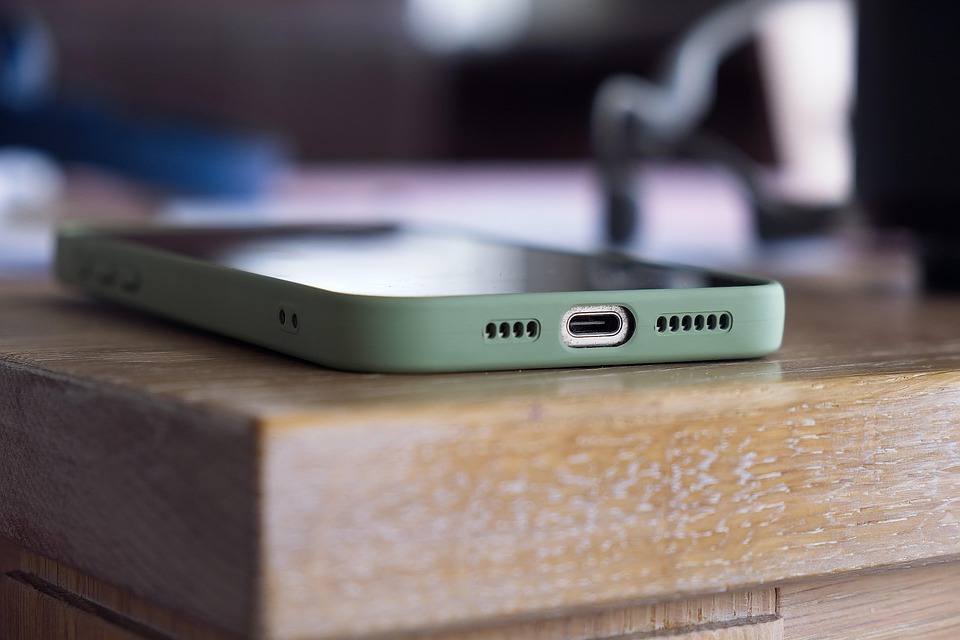

The Vanishing Power Pack: Are We Losing More Than Convenience?
Remember that satisfying click when you popped open your phone’s back cover? That simple plastic clip heralded unlimited freedom: swap a dead battery for a fresh one in seconds while your colleagues scrambled for outlets. Today, that ritual feels like ancient history. With over 95% of modern smartphones featuring sealed-in batteries, this once-standard feature has become a niche relic. Yet, for many users yearning for control over battery life and device longevity, phones with a removable battery represent more than convenience—they symbolize user autonomy and sustainability. As manufacturers chase waterproof slivers of glass and metal, the practical perks of DIY power management face extinction. Let’s explore why this shift matters, the few worthy survivors clinging to this fading ideal, and whether regulatory tides might turn back the clock.
Why Removable Batteries Were Revolutionary
Replacing batteries without tools was transformative. Imagine hiking through national parks—no anxiety about limited power outlets. A spare battery stashed in your pocket meant instant rebirth for a drained phone. This wasn’t merely about convenience; it recalibrated our relationship with devices:
- Seamless Continuity: Hot-swapping batteries enabled constant uptime for travelers or emergency responders.
- Extended Lifespan: Aging lithium-ion cells degrade, often forcing users to junk phones after 2–3 years. Removable batteries sidestepped this, allowing cheap, easy DIY swaps.
- Cost Savings: Bypassing professional repairs saved $$. OEM batteries for older Samsung Galaxy models cost ~$20 vs. $80+ for sealed-battery replacements.
Manufacturers argue waterproofing and thinness necessitated ditching removable backs, but critics note IP68 rugged phones like the Kyocera Duraforce Pro 3 prove durability is achievable with swappable batteries—it’s a trade-off for aesthetics, not engineering impossibility.
Surviving Contenders: A Last Stand for DIY Power
Despite a decimated market, a handful of heroes keep the swappable dream alive. These aren’t cutting-edge flagships but purpose-built devices catering to resilience and repairability.
Tough as Nails: Workhorse Warriors
The Samsung Galaxy XCover 7 exemplifies rugged reliability. Built for extreme conditions, its MIL-STD-810H certification and IP68 rating defy stereotypes about removable-back fragility. Though specs don’t dazzle (MediaTek chip, 6GB RAM), the user-replaceable 4,050mAh battery shines for tradies or adventurers. At €380, it prioritizes function—swap batteries daily without dismantling tools. Its “Pro” sibling adds 5G power but remains elusive outside Europe.
For Verizon users needing fortress-like durability, Kyocera Duraforce Pro 3 hits the sweet spot despite its $899 price. It pairs unremovable IP68 toughness with a removable 4,270mAh cell and responsive Snapdragon 7 Gen 1. This device feels almost subversive: a sealed-like phone that submits to user-powered repairs.
Ethical Engineering Beyond Batteries
The Fairphone 6 redefines user agency. Modularization turns repairs into Lego projects: swap its 4,415mAh battery, USB-C port, or lenses with a small screwdriver. Its focus on sourcing ethical materials and iFixit-friendly design (scoring 9.8/10 repairability) makes it a sustainability benchmark. Though lacking U.S. availability and wireless charging, its Snapdragon 7s Gen 3 chip and 120Hz OLED display prove planet-conscious tech needn’t compromise performance.
Barebones Budget Lifeline
Can a $100 phone matter? The Nokia C12 proves yes. Running a minimal Unisoc chip with a tiny 3,000mAh cell, it’s not winning speed races, but as the EU accelerates toward right-to-repair mandates, this ultra-affordable option offers crucial access. Its no-frills replaceable battery underscores that longevity shouldn’t be a luxury.
| Comparing Key Removable-Battery Phones (2025) | |||
|---|---|---|---|
| Model | Price Range | Battery Capacity | Key Distinction |
| Samsung Galaxy XCover 7 | €380–€500 | 4,050mAh | Rugged, globally accessible |
| Fairphone 6 | €599 | 4,415mAh | Modular & eco-conscious |
| Kyocera Duraforce Pro 3 | $899.99 | 4,270mAh | Verizon-exclusive toughness |
| Nokia C12 | $99.99 | 3,000mAh | Ultimate budget entry |
Beyond Nostalgia: Reason for Hope
You may wonder—is this tech relic dead forever? Not necessarily. Europe’s 2027 mandate requiring user-replaceable batteries is poised to spark a revolution. Just as the EU forced industry-wide USB-C adoption, this regulation pushes manufacturers toward modular, repair-accessible design. Battery replacements must be tool-free or leverage basic implements—a move to combat e-waste. With lithium-ion battery degradation contributing to millions of discarded phones annually (e.g., ~5.3 billion devices dumped in 2022 per UN data), standardized replaceable batteries could slash environmental harm.
Early signs from firms like Fairphone show world-ready devices won’t sacrifice performance or durability; the XCover 7’s IP68 rating shatters myths about compromised seals. Brands may grumble about R&D costs, but monolithic production lines suggest global models—not EU-only variants—will emerge.
The Present Workaround: Coping While Waiting
Despite regulatory momentum, today’s landscape demands adaptability if you abandon replaceables:
- Power Banks: Fast-charging (65W+) battery packs mitigate downtime but can’t match 10-second swaps.
- Optimization Tactics: Disabling background location/app refresh helps. On Android, you might gain 90+ minutes daily toggling high-power-sip apps like Facebook or Tiktok.
- Professional Repairs: Sites like iFixit offer guides/seals for brave DIYers to replace sealed batteries.
The Long View — Loss or Transformation?
Once-standard DIY battery swaps feel like artifacts in a world prioritizing seamless design. Yet while the Samsung Galaxy XCover 7 or Fairphone offer niche alternatives today, their existence—and Europe’s looming regulations—prove user-powered phone longevity isn’t obsolete, merely evolving. Those embracing sealed devices must navigate parallel “ecosystems” of wireless chargers and fast-charging bricks. But should we accept that replacing a battery requires potentially expensive technicians? Or can we demand safeguards against planned obsolescence? Sustainability advocates believe matching eco-awareness with engineering creativity reveals a path back to empowerment. Whether we cling to nostalgia or embrace repair-focused innovation, the future of removable batteries isn’t sealed—it’s undergoing a high-stakes rebrand.
Would you pick a phone with a removable battery today? What sacrifices should manufacturers make for sustainability?


