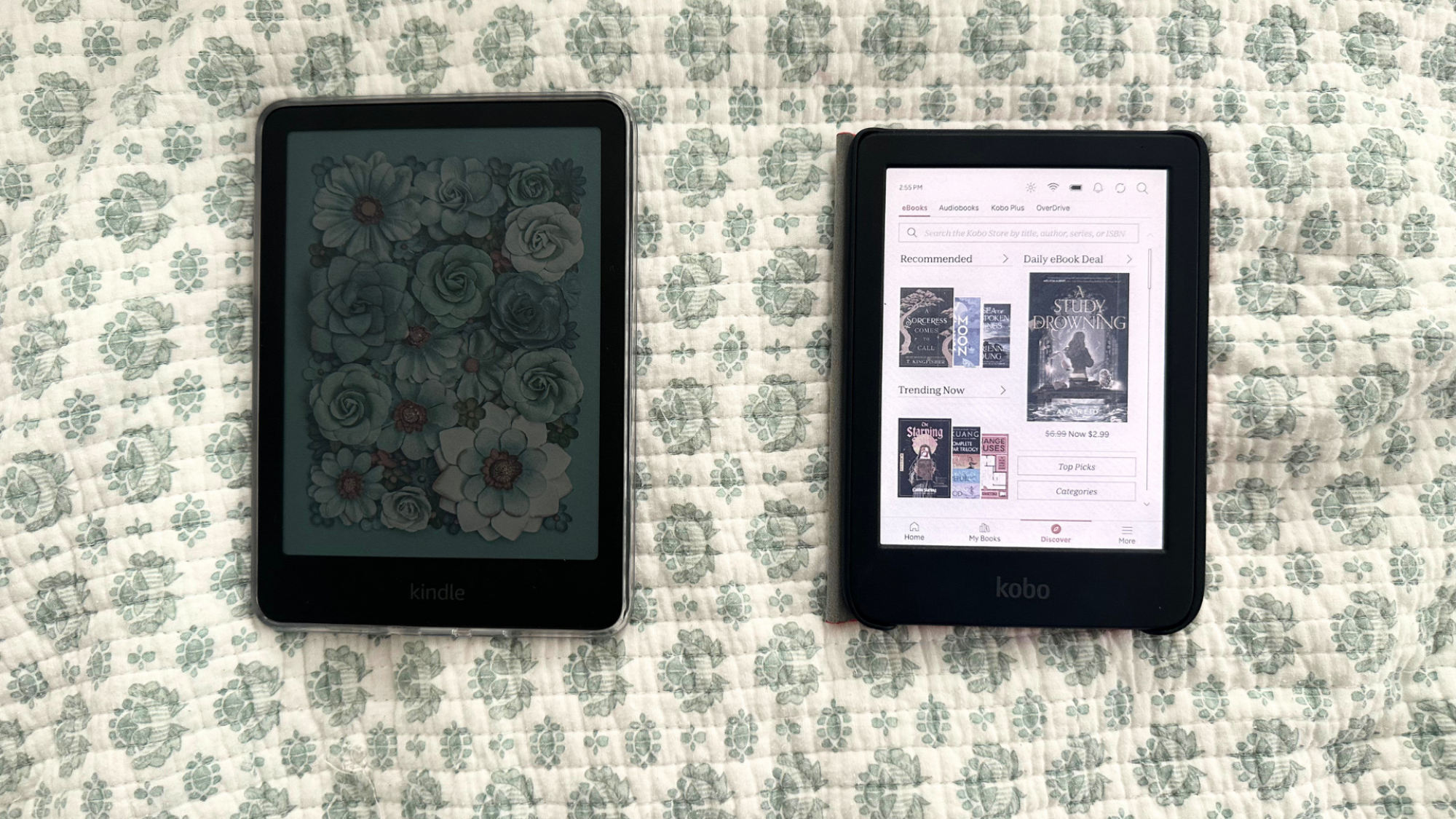

Is a $250 Color E-Reader Worth the Hype?
The Kindle Colorsoft arrived amidst fanfare and frustration. After a botched 2024 launch involving discoloration complaints and shipping halts, Amazon quietly expanded its color lineup to three models. Now priced at $249.99, this 16GB e-reader targets a niche craving for colorful comics and illustrated books. But with cheaper competitors flooding the market, does Amazon’s late entry justify its premium price? As digital reading diversifies beyond text, the Kindle Colorsoft forces us to confront a critical question: Who actually benefits from color e-ink?
The Rocky Road to Colored E-Ink
Amazon’s journey into color began clumsily. When the Kindle Colorsoft debuted in October 2024, early adopters reported frustrating screen discoloration—prompting a rare shipping pause. Fast forward to July 2025, and the lineup now includes a 32GB Signature Edition and a Kids model alongside the base Colorsoft. Amazon’s timing was notably tardy. Competitors like Kobo had already released the Clara Colour and Libra Colour, Boox launched the Go Color 7, and Remarkable introduced its Paper Pro tablet. Industry analysts note this delay cost Amazon crucial first-mover advantage in a growing niche. According to Good e-Reader, the global color e-reader market is projected to expand by 18.7% annually through 2028, yet Amazon’s uphill battle for trust endangers its share.
Crunching Numbers: Price vs. Peers
Pricing reveals Amazon’s steep gamble. Let’s dissect the comparisons:
| Feature | Kindle Colorsoft | Kindle Paperwhite | Kobo Clara Colour |
|---|---|---|---|
| Price | $249.99 | $159.99 | $159.99 |
| Storage | 16GB | 16GB | 16GB |
| Display Size | 7 inches | 6.8 inches | 6 inches |
| Color Resolution | 150 PPI | N/A | 150 PPI |
| B&W Resolution | 300 PPI | 300 PPI | 300 PPI |
The math stings: At $90 more than its monochrome Paperwhite sibling, the Colorsoft offers identical waterproofing, a slightly larger screen, and USB-C charging. Yet Kobo undercuts it by $90 for similar color specs. The 16GB storage feels adequate for books but constricting for graphic-heavy content. Crucially, Amazon lacks unique hardware innovations to offset this gap, relying instead on ecosystem loyalty.
Color Realism: E-Ink’s Achilles’ Heel
Testing confirms that e-ink color struggles to mirror vibrancy. Side-by-side comparisons with a physical copy of Heartstopper Volume 3 revealed commendable color accuracy on the Colorsoft—but with duller hues. Cranking brightness to 94 nits (its maximum) couldn’t match the pop of ink on paper. Switching to an iPad showcased the tech gap: backlit LCD screens deliver richer saturation and higher resolution, exposing e-ink’s limitations. This isn’t exclusive to Amazon; it’s a limitation of E Ink’s Kaleido 3 panel technology, which layers a filter over monochrome screens. While Amazon’s tuning avoids the washed-out look of early color e-readers, it’s no match for tablets. Still, for comics like Saga or textbooks with diagrams, the 150 PPI clarity remains usable, avoiding pixelation during casual reading.
Performance & Daily Use
Operationally, the Colorsoft shines where it counts. Page turns feel snappy in both color and monochrome modes, preserving Paperwhite’s signature responsiveness. The display flashes briefly when refreshing color content—a quirk across color e-readers tied to how e-ink particles reset (see E Ink Corporation’s technical overview). While far from disruptive, it’s jarring compared to seamless tablet performance.
Perks like IPX8 waterproofing and 8-week battery life maintain Kindle’s stamina. Unlike the ad-supported base Paperwhite, this model includes an ad-free interface—a welcome touch at this price point. But critical omissions persist: No auto-brightness sensor ($30 more for the Signature Edition), a baffling cut in a premium device. Upgraded screens also alter reflectivity slightly; outdoor readability diminishes under harsh sunlight versus monochrome models.
Target Audience: A Niche Within a Niche
Amazon’s pitch collapses for most users. Average novel readers gain minimal value from color, making the Paperwhite a smarter buy. Even graphic-novel enthusiasts get better value with Kobo’s cheaper Clara Colour or Libra Colour, which offers physical page-turn buttons. The Colorsoft’s lone strategic ace? Kids. Parents can skimp $20 by converting the base model to kid-friendly mode versus buying the $269.99 Colorsoft Kids edition. The waterproofing and distraction-free interface make it superior to tablets. For publishers, color e-readers promise new creative avenues—interactive children’s books or illustrated nonfiction—if display tech evolves.
Final Verdict: Beyond the Color Hype
As of 2025, budget consciousness prevails. Unless vivid visuals drive your reading, the Kindle Colorsoft’s price overshadows its perks. Stalwart specs can’t justify the $90 leap over the Paperwhite or Kobo Clara Colour. Yet hope glimmers: Amazon’s persistence signals investment in color e-ink R&D, anticipating improved future displays. This iteration, however, outpaces only an exclusive few—young readers or die-hard comics fans untroubled by muted colors. The Colorsoft tests consumer appetite for compromise: a splash of color at a price that demands commitment.
So, would you pay extra for color or stick to monochrome gems? Will the e-reader giants crack the color puzzle? Weigh in below!
Sources Referenced:
- E Ink technology deep dive: E Ink Corporation
- Market growth data: Good e-Reader Research
- Competitor details: Kobo Clara Colour Specs


