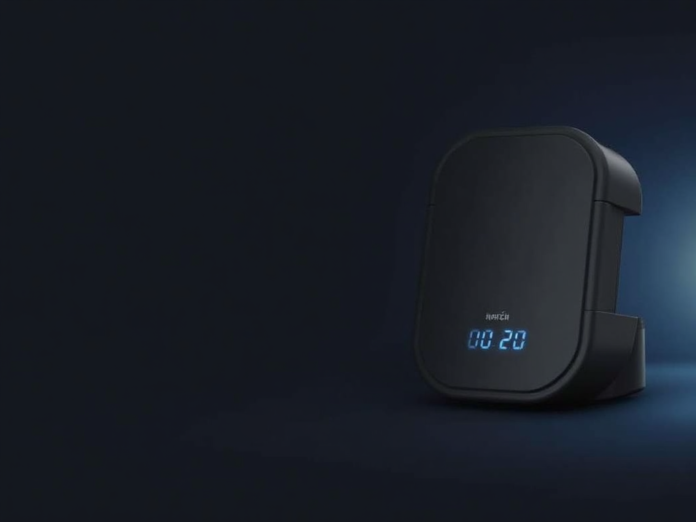

When it comes to tracking sleep without a wearable on your wrist, the Hatch Sleep Clock promises a simple, bedside solution. I put the device through a two‑week trial, pitting its data against the sleep‑stage breakdown from my Apple Watch Series 12 and the detailed metrics captured by the Oura Ring 5. Hatch does warn that the first few nights are a “calibration” window, during which the numbers are less reliable, so I treated those early readings as a learning phase rather than a definitive benchmark.
Overall, the clock’s sleep‑time estimates line up closely with the other devices, but the biggest divergence shows up in the sleep‑stage analysis. Light, deep, and REM stages are all reported, yet the granularity feels a step behind the more sophisticated algorithms of the Apple Watch and Oura. While the broader patterns—total hours, wake‑after‑sleep‑onset, and overall sleep quality—are useful for spotting trends, I’d take the stage‑by‑stage numbers with a healthy dose of skepticism. It’s hard to imagine any consumer‑grade system can map brain activity minute‑by‑minute without direct EEG hardware, especially one that relies solely on motion and proximity sensing.
**Placement Matters**
Hatch’s own guidance stresses that the unit’s accuracy hinges on where you set it up. The recommendation is to place the clock on a nightstand roughly level with your mattress, angled toward your chest as you lie down, and within two to four feet of your body. Anything that blocks the line of sight—books, lamps, or a cluttered surface—can blunt the sensor’s ability to detect your presence. If the nightstand is too low, you’ll need a stack of books to raise the device; if it’s too high, you might have to adjust your mattress height or mount a small shelf on the wall. In my own setup, the nightstand was perfectly positioned, but a habit of leaving knick‑knacks on top meant I constantly had to clear space before bedtime. That minor inconvenience is the only real drawback I’ve noticed, and it does seem to affect the consistency of the readings.
**App Limitations**
The companion app offers a clean visual of your nightly profile, but it falls short in a couple of ways. There’s no automatic alert when data gaps appear, and if the clock can’t reliably sense you—perhaps because you’ve moved too far away or the room is unusually bright—the tracking simply stops until the sensor re‑establishes a clear signal. For a product that markets itself as “set it and forget it,” those gaps feel like a missed opportunity for a more robust user experience.
**Bottom Line**
The Hatch Sleep Clock delivers a contact‑free way to monitor basic sleep metrics and, with proper placement, provides reasonably accurate total‑sleep data. Its stage‑level breakdown, however, remains less precise than that of dedicated wearables, and the lack of gap notifications can be frustrating. If you’re looking for a low‑effort, bedside sleep overview and are willing to tidy up your nightstand, it’s a solid, if not perfect, addition to your nightly routine.


