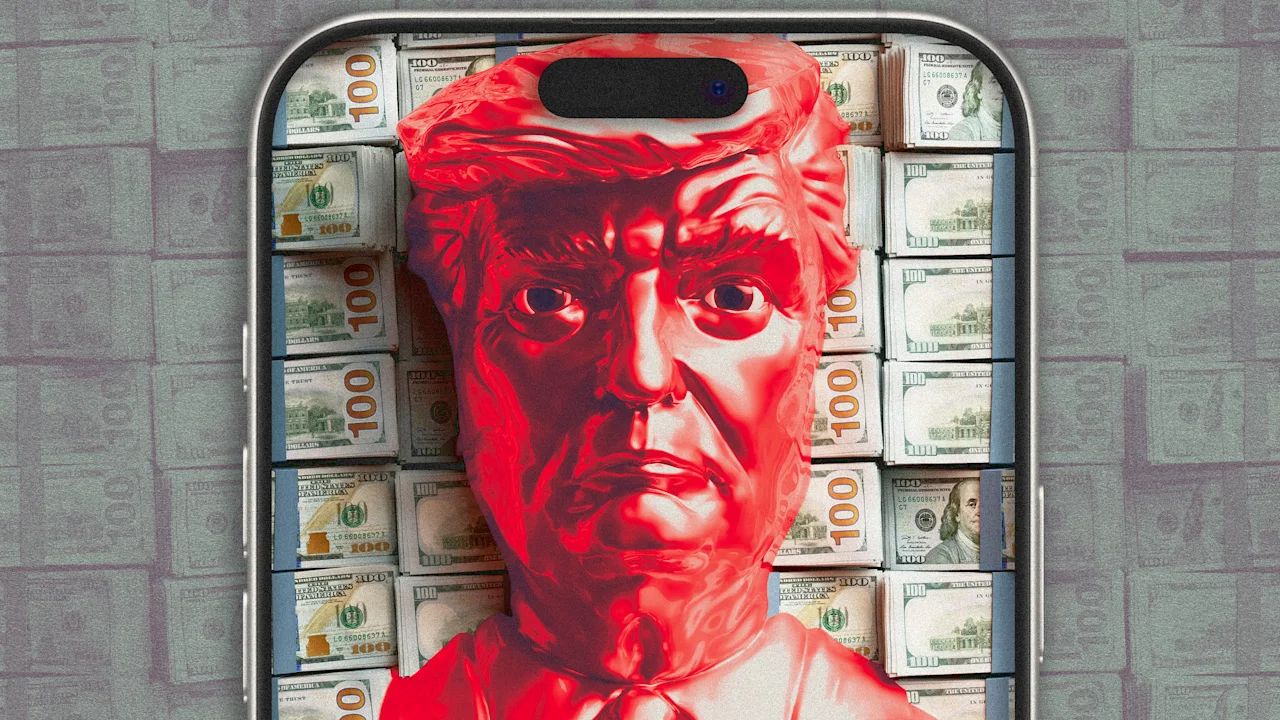

Is Your Next iPhone About to Become a Tariff Casualty?
Imagine waiting months for Apple’s latest iPhone, only to face sticker shock at checkout. Could 2025’s sweeping U.S. tariffs—dubbed “Liberation Day” levies—turn the iPhone 17 launch into a budget nightmare? Since April, these tariffs targeting China, Vietnam, and India have fueled economic uncertainty, consumer anxiety, and job losses. Crucially, Apple manufactures most devices or components in these regions, making the iPhone 17 lineup a prime target for price increases. With the iPhone 17 series debuting soon, evidence suggests your upgrade could cost significantly more, reshaping buyer decisions in a strained economy.
The 2025 Tariff Surge: Reshaping Global Trade
President Trump’s aggressive tariff strategy slapped 30–50% duties on electronics from key Asian manufacturing hubs. While designed to boost U.S. production, the immediate fallout includes:
- Slumping consumer confidence (U.S. Consumer Confidence Index fell 12% Q2 2025)
- Rising input costs for companies reliant on imported tech components
- Supply chain disruptions forcing layoffs in logistics and retail sectors
These tariffs disproportionately impact consumer electronics, especially smartphones. Apple sources ~90% of iPhone components from China, with final assembly concentrated in tariff-hit regions like Guangdong and Zhengzhou. Vietnam and India, also facing steep duties, handle critical tasks like camera modules and circuit boards. The International Monetary Fund notes such protectionism historically inflates consumer prices by 10–25% within 18 months, echoing 2018–2019 trade war patterns.
Why Your iPhone Bears the Tariff Burden
Apple’s legendary supply chain agility faces unprecedented pressure. While tariffs don’t automatically equal identical price hikes, companies mitigate impacts through:
- Supplier negotiations: Pressuring factories to absorb costs (e.g., Foxconn reducing assembly fees)
- Partial cost-passing: Splitting tariffs between consumers and profit margins
- Logistics rerouting: Shifting orders to non-tariff countries (e.g., Malaysia) with limited short-term capacity
However, Apple’s profit margins—typically 25–30% for iPhones—limit absorption capacity. As former Apple operations lead Tony Blevins noted, “Tariffs cascade. You can’t avoid the math.” While Apple negotiated exemptions for some components (like Mac Pro parts in 2019), iPhones now comprise over 50% of Apple’s revenue, making exemptions politically untenable.
iPhone 17 Pricing: Two Realistic Scenarios
Industry analysts project two paths for the iPhone 17 launch next month, both reflecting tariff impacts:
| Model (Base Storage) | iPhone 16 Price | Scenario 1: iPhone 17 | Scenario 2: iPhone 17 |
|---|---|---|---|
| iPhone 17 (128GB) | $799 | $799 | $799 |
| iPhone 17 Air/Slim (128GB) | $899 | $949 | $899 |
| iPhone 17 Pro (256GB*) | $999 (128GB) | $1,049 | $1,049 |
| iPhone 17 Pro Max (256GB) | $1,199 | $1,249 | $1,249 |
*Likely bumped from 128GB to 256GB base storage
- Scenario 1 (Jefferies Analysis): Price hikes for all non-entry models. Pro tiers offset increases with storage upgrades, positioning the $1,049 Pro as a “value” versus the 16 Pro’s $1,099 (256GB).
- Scenario 2 (Selective Increase): Hikes limited to Pro models, prioritising mainstream buyers amid inflation fatigue.
The lean? Scenario 1 is likelier. Pro buyers exhibit “feature-first” loyalty—92% upgrade regardless of price (Statista, 2024)—while the Air/Slim’s novelty obscures its $50 rise.
The Budget Blind Spot and Apple’s Silence
Absent from September’s lineup? The iPhone 17e. Like the 16e ($599), it’ll likely debut in Spring 2026, shielded from tariffs via cost-cutting:
- Older components not subject to new levies
- Assembly in lower-risk regions like Brazil
Still, even budget models face pressure; the 16e’s $599 start already stretched “affordable” definitions.
Will Apple blame tariffs openly? Unlikely. Tim Cook’s delicate Trump-era rapport secured critical waivers. Open criticism risks retaliatory measures, as seen when Amazon’s attempted “tariff labels” prompted White House backlash. Cook’s playbook: mute attribution, leveraging behind-the-scenes lobbying while emphasizing “global economic headwinds.”
Navigating the New Cost Reality
The iPhone 17’s fate underscores tariff gravity: even giants like Apple can’t fully evade cross-border policy shocks. Expect Pro tier rises of 4-5%, testing consumer resilience amid stagnating wages. While storage upgrades soften the blow, the days of stable iPhone pricing seem over. Broader impacts loom too—Samsung and Google’s U.S.-bound devices face similar pressures, signaling industry-wide premium creep.
As economic shields fray, your upgrade calculus must evolve. Will feature innovations justify the tariff toll? Or will wallets rebel? The answer could redefine smartphone economics for years. Will you pay up for the iPhone 17? Share your take below!
Sources:
U.S. Tariff Policy Overview (USTR)
Apple Supply Chain Analysis (Reuters)
Consumer Electronics Inflation Trends (IMF)
iPhone Purchasing Behavior (Statista)


