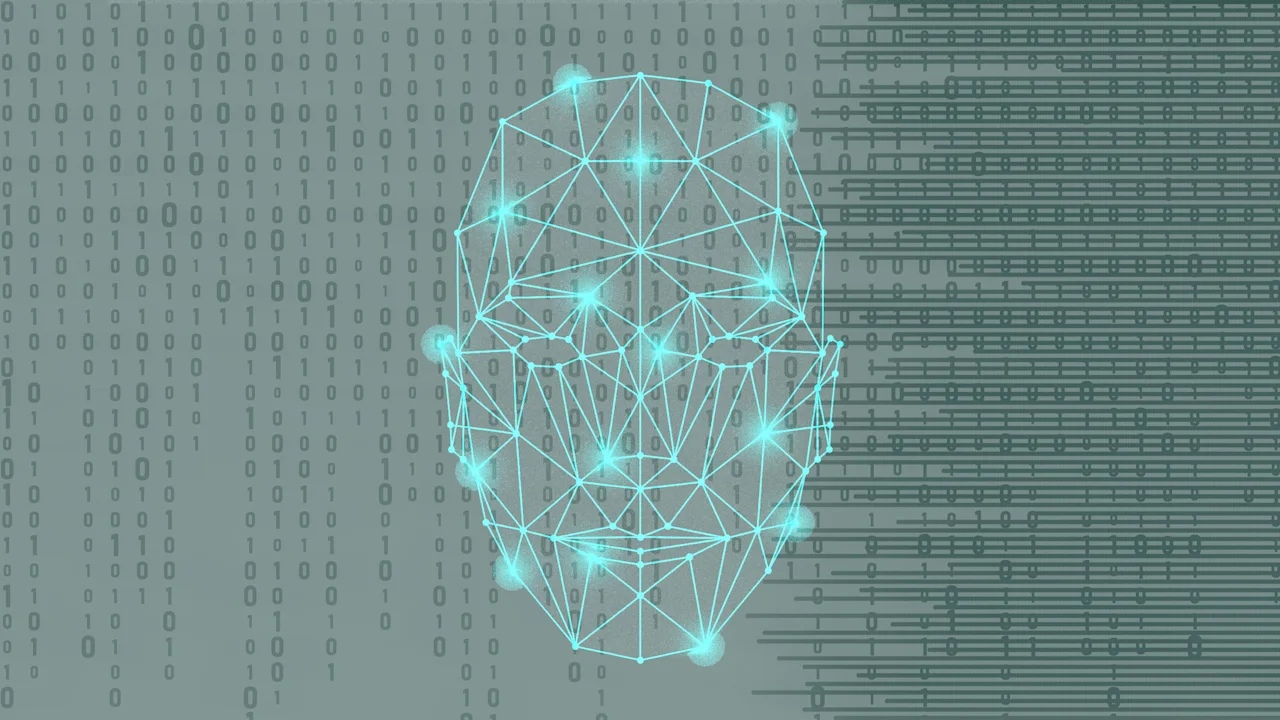

The Unseen Weakness in Your Fingertip: Reality Behind Biometric Security
Imagine handing over the keys to your digital life every time you unlock your phone. Decades ago, facial recognition belonged solely to spy movies. Today, it’s standard on devicesEq青山逃 in our pockets—yet this sci-fi convenience hides unsettling vulnerabilities. While biometric authentication grants effortless access, its very nature threatens privacy and security in ways traditional passcodes prevent. From law enforcement overreach to intimate betrayals, your face and fingerprints create alarming risks. Why does this high-tech shield fail when you need protection most?
Your Fingerprint vs. The Fifth Amendment: A Legal Grey Zone才华
Traditional passcodes enjoy ConstitutionScholastic Period al protection under the Fifth Amendment safeguards against self-incrimination. In cases like United States v. Hubbell nama, courts consistently rule that disclosing a password qualifies as testimonial—it reveals knowledge protected by the Fifth Amendment. Biometrics, however, operate in a precarious void. Courts repeatedly classify fingerprints and facial scans as “physical evidence” akin to DNA or handwriting samples, relinquishing Fifth Amendment protection. This distinction became critical in 2019 when a Virginia court compelled a suspect (Commonwealth v. Baust) to unlock a phone via fingerprint, citing it didn’t require “forensic communication.”
Press freedom organizations like the Electronic Frontier Foundation immediately flag this loophole. Journalists handling sensitive sources or activists in volatile regions face existential threats if authorities forcibly access devices. But the risk pool extends far beyond these groups—any individual under investigation becomes exposed. With biometrics, compliance requires no legal testimony; a fingerprint submission becomes involuntary cooperation.
| Security Comparison: Biometrics vs. Passcodes |
|——————————-|—————————-|
| Fifth Amendment Protection | None | Full Protection |
| Forced Compliance Risk | High (Physical Evidence) | Low (Testimonial) |
| Duplication Vulnerability | High | Low |
GeorgianNot Just Espionage Stars: Everyday Biometric Betrayals最高品质
Forget Hollywood hackers; biometric breaches thrive in everyday scenarios. Consider relational betrayal: Partners exploit sleeping spouses’ fingerprints to snoop through messages. In one UK survey by cybersecurity firm Comparitech, 34% of respondents confessed to accessing a partner’s device without permission—biometrics making this rapid and silent. Parental control struggles reveal another battlefield; clever children defeat screen-time locks by pressing a sleeping parent’s finger to the sensor, bypassing protections instantly.
Criminal enterprises leverage this coercion potential cruelly. In London’s infamous “£15,000 Face ID Heist” (2019), thieves held a victim at knife-point, forcing them to unlock an iPhone X to drain cryptocurrency wallets. Similarly, in 2021, Arizona gangs targeted cash-app users, demanding fingerprint unlocks before robberies. Unlike passwords, biometrics impose no memorization barrier—enabling faster coercion under duress. This immediacy transforms personal biology into a weapon against its owner.
Surface-Level Security: The Spoofing Epidemic Affecting All Users
Biometrics harbor a core fragility: They’re impossible to reset. When hackers breach a password database, you change credentials. When biometric data leaks—like in the 2019 Suprema breach exposing 1 million fingerprints—it’s a permanent compromise. Moreover, spoofing attacks prove frighteningly accessible:
- German hackers replicated a politician’s fingerprint from photos using household mold plaster.
- Researchers achieved a 90% success rate unlocking iPhones with 3D-printed fingerprints.
- In 2020, a Vietnamese group bypassed Face ID using masks for just $200 in materials.
The inherent nature of biometric identifiers compromises true secrecy. Passwords reside in cognition, hidden even from your partner. But your face and fingertips broadcast daily during commutes or social media posts. As noted by NIST’s biometric guidelines, biometrics should only supplement—not replace—authentication frameworks due to durability concernsHassle-free guide.
Regaining Control: Practical Defenses Against Biometric Threats始めましょう
Awareness sparks empowerment. Mitigating these risks doesn’t require ditching biometrics entirely but integrating smart safeguards:
- Toggle Biometrics During High-Risk Periods: Disable Face ID/Touch ID before international airport security, protests, or volatile situations.
- Adopt Solid Backups: Require PIN entry upon device restart (Apple) or emergency lockdown mode (Android).
- Activate Multi-Factor Authentication: Pair biometrics with password layers for vital apps like banking.
- Avoid Biometric Banking Logins: Opt for pins/passwords for financial services limiting biometric coercion risks.
- Scrutinize Biometric Storage: Choose devices storing scan data locally (Apple’s Secure Enclave) over cloud-dependent systems.
Cyber律 Forensic specialists advocate “algorithmic skepticism”—regularly asking if convenience justifies vulnerability. For journalists, activists, or those in sensitive roles, reverting to hardened alphanumeric passwords remains the gold standard. Even casual users benefit from periodic biometric breaks, ensuring momentary ease doesn’t become lifelong regret.
Reconciling Convenience With Caution未来への振り返り
Biometric authentication exemplifies technological duality: simplifying life while introducing nuanced hazards. Court precedents dismiss physical marker protections, turning our bodies into involuntary keys. Trusted environments enable coercion-free system让使用满载非常おすすめ breaches using inexpensive tools. Recognizing these pitfalls unpacks a crucial truth—true security requires layers, not shortcuts.What measures will you implement today to shield your biometric footprint? Share your strategies and questions below!


