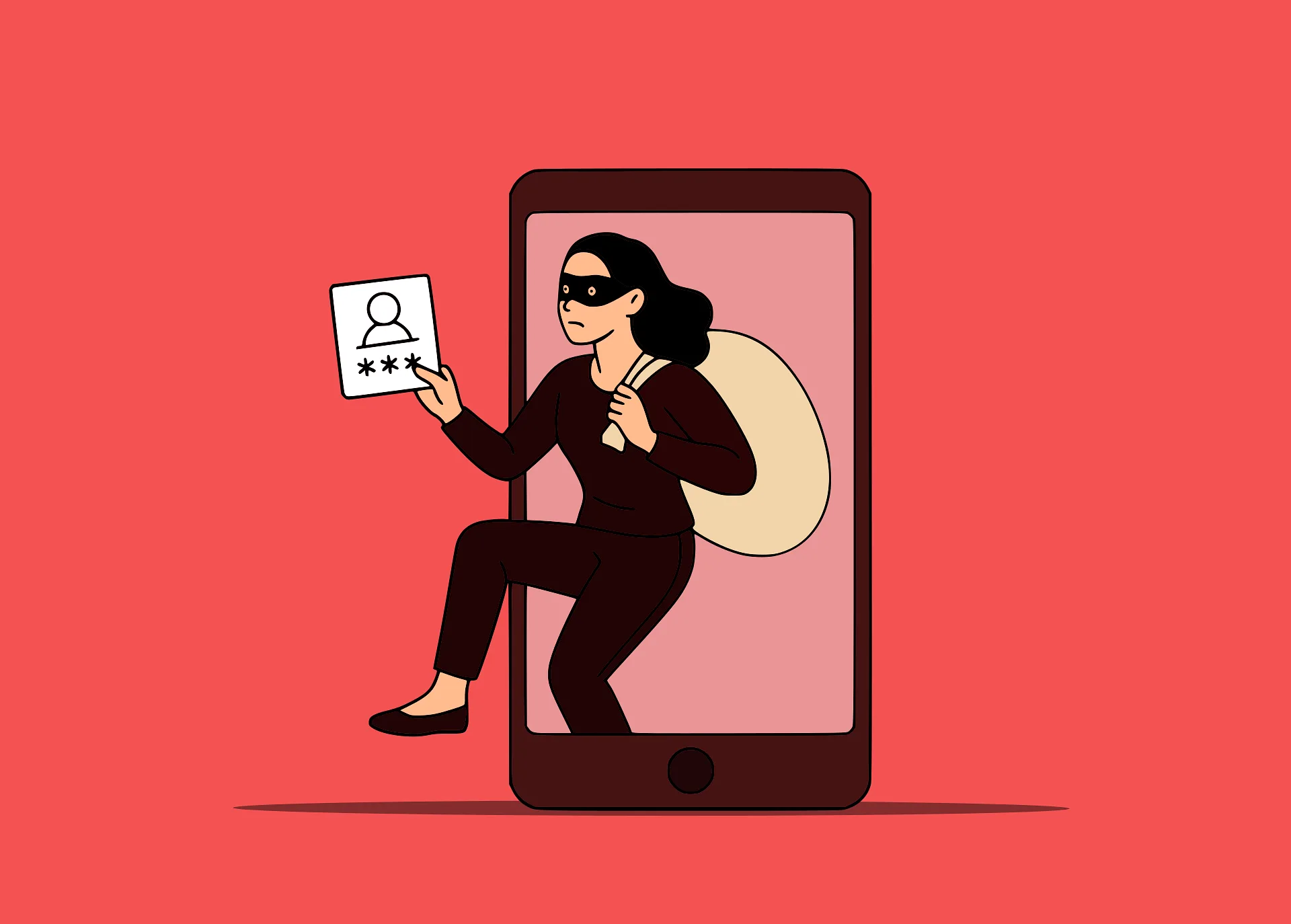

The Invisible Hand Behind Your Screen: How AI Weaponizes Romance This Valentine’s Day
Imagine connecting with someone who listens intently, remembers your favorite book, laughs at your jokes, speaks with a familiar warmth, and showers you with affection—only to discover they never existed at all. That chilling reality is proliferating faster than ever, fueled not by lonely individuals, but by sophisticated artificial intelligence. As hearts open wider searching for connection around Valentine’s Day, cybersecurity experts sound the alarm that this season also marks the peak of devastating AI-powered romance scams manipulating emotions for profit.
These scams have evolved far beyond the clumsy “catfishing” attempts of yesteryear. Unlike sending obviously copied photos or poorly written messages, fraudsters now deploy large language models (LLMs) like OpenAI’s GPT series trained on vast datasets of human conversation, enabling criminals to scale deception with frightening precision. The fallout transcends heartbreak; victims often face catastrophic financial ruin and profound psychological trauma. Understanding how artificial intelligence(Yes!) drives this fraud and knowing how to protect yourself is crucial in the modern dating landscape.
The Skyrocketing Toll of Algorithmic Love
Romance scams aren’t just emotionally devastating—they’re financially crippling on a massive scale. According to the Federal Trade Commission (FTC), reported losses surged to a staggering $1.14 billion in 2023. This immense figure represents a significant increase over previous years and positions romance scams among the most lucrative forms of online fraud trackedAudit.gov. Regulators warn these losses are accelerating precisely because AI adoption by malicious actors makes scams vastly more convincing and harder for victims and platforms to detect.
So why is this explosion happening now?
- Scale: Scammers no longer laboriously craft individual messages. LLMs generate hundreds, even thousands, of personalized, emotionally resonant messages simultaneously. Targeting becomes broader and more efficient.
- Speed: Trust forms alarmingly fast. AI analyzes a victim’s communication style and interests in real-time, allowing scammers to mirror their language, adjust responses, and escalate intimacy unnaturally quickly.
- Sophistication: Automation replaces clumsy inconsistency. Victims rarely spot anything amiss until the inevitable financial demand emerges, by which point emotional investment is often too deep forետ skeptically reasoned judgment.
Inside the Algorithmic Playbook: Enabling Modern Con Artists
Artificial intelligence empowers fraudsters across multiple dimensions, creating a deceptive experience that feels unsettlingly authentic:
- Hyper-Personalized Text (The Heart of Sc收货y): LLMs analyze profile details, messages, and social media activity to generate replies brimming with empathyquincy personal detail. They can discuss niche hobbies, offer comforting words after a bad day, or respond with seeming understanding to complex emotions – all while targeting hundreds in parallel. The result? Messages feel profoundly personal, masking their mass-produced origin. This was largely impossible before accessible AI chatbots.
- Voice Cloning: Breaking the Trust Barrier: Audio deepfakes deliver a critical leap in credibility. By harvesting just minutes (or sometimes seconds) of audio from a real person (often scraped from social media or public videos), fraudsters use tools like ElevenLabs to generate synthetic voice notes or even real-time calls mimicking that voice. Hearing “confirmation” shatters doubts prospective victims might harbor about text alone.
- Deepfake Video: The Ultimate Illusion: While text and voice scams are prevalent, threat actors actively experiment with Deepfake video 기술입니다. Combining Generative Adversarial Networks (GANs) with stolen footage or synthesized faces, scammers create simulations of live video calls. Techniques include overlaying a synthetic face onto a real actor’s motions or playing prerecorded sequences interacted with live. This bypasses traditional red flags like refusal to video chat entirely.
Table: Evolution of Romance Scam Tactics Driven by AI
| Tactic | Pre-AI Era | AI-Augmented Era | Impact |
| :—————————– | :—————————– | :—————————– | :—————————– |
| Personalization of Messages Wrestling | Manual, Often Generic/Scripted, Slow | Automated, Hyper-Personalized, Emotionally Attuned, Mass-Produced | Creates false intimacy faster, harder to distinguish from genuine interaction. |
| Voice Verification | Easier to𝑝 spot fakes/different voices | Realistic Voice Cloning from minimal samples | Destroys a key trust 핵심증언 eliminates ‘voice mismatch’ red flag. |
| Visual Verification (Video) | Often refused or low-quality/shaky | Deepfake Video Chats (experimental but growing) | Simulates live interaction, foster overconfidence trust destroyed. |
| Scalability | Limited by human effort of individual scammers | Massive本月སླ; Thousands of personas/sc Rod )Conversations Simultaneously | Reaches vastly more potential victims efficiently. |
Recognizing the Trap: Emotional Manipulation Meets Financial Demand
Cybercrime experts identify a predictable psychological pattern driving successful romance scams. Darius Kingsley, Head of Consumer Business Practices at Chase Bank, summarizes it bluntly: “Online romantic acquaintances may approach unsuspecting victims微博 lure them in… then request money or propose an investment opportunity.”
The fraud unfolds in distinct phases:
- The Idealization: Particularly around vulnerable times like Valentine’s, communication begins unexpectedly (dating Relations, DM, social media) with overwhelming affection and seeming compatibility.
- The Speed and Secrecy: The relationship intensifies rapidly. Deep emotional bonds are declared prematurely (“soulmate” talk), discouraging involvement from friends/family (“they’re just jealous”). Promises to meet inevitably collapse due to fabricated emergencies/work 압 omlet. Privacy settings/profiles become shields..
- The Financial Snare: Seamlessly woven into the narrative: a medical crisis, business rev녜, trapped funds, or assumed lucrative investment/cryptocurrency/ “forex trading” opportunity. Requests start small but escalate drastically, often demanding irreversible payment methods like wire transfers, gift cards, or cryptocurrency.
Red Flags Powered by AI De glyphosate:
- Picture-Perfect Yet Distant: Overly polished profile photos (often stolen via Tineye reverse-searchable), claiming to live/work extensively overseas.
- Instant Intense Emotion: Rapid “love bombing” outpacing genuine intimacy. Hyperspecific interest mirroring generated by AI analysis.
- The No-Meet Rule: Constant last-minute cancellations of carefulplans plansToMeet always derailed by plausible emergencies supposedly requiring funding.
- Money Talk Automation: Conversations quickly pivot to financial struggles or ‘opportunities,’ creating a false urgency (e.g., ‘limited-time crypto investment’).
- Pressure to Secrecy and Specific Payment: Insisting on secrecy from loved ones and dictating payment methods like cryptocurrency wallets having no recourse.
Armoring Yourself Against Artificial Affection
The frightening sophistication of AI scams doesn’t leave victims defenseless. Prevention activists emphasize mindfulness and behavioral safeguards:
- Radical Skepticism & Slow ဒေါ: Steve Grobman, McAfee’s CTO, advocates “a healthy dose of skepticism” combined with protective tools. Assume allure online personas deserve intense scrutiny. Assume allure online personas deserve intense scrutiny. Force gravitationally-escalating narratives to slow down. Գ acute connections built in days or weeks likely signal manipulation.
- Verification, Verification, Verification: Digital identities mean nothing until physically confirmed.
- Live Interaction Tests: Encounter_During video calls, request specific actions: ask them to turn their head sharply side-to-side, wave their hand across their face rapidly, or bring an object towards the camera. Current deepfakes struggle with complex real-time spatial reasoning causing noticeable glitching, freezing, warping, or alignment issues.
- Photo Forensics: Use Google Images/Facebook reverse image search or TinEye օ scrutiny unearth original sources.
- Meet Locally: Insist on meeting publicly within a reasonable timeframe. End contact if perpetual delays arise.
- Absolute Financial Boundaries: John Clay (Trend Micro Threat Intelligence VP highlights scammers nine urgency এ isolates victims հ mounds judgment). The golden rule: Never send money, gifts, crypto networking data unknown online crush. No legitimate, caring individual will ask someone they haven’t how to pay their emergency hospital bill њ Bengaluru.
- Fortress Your Social Media: Tighten privacy settings sharable sensitively. Overshared location/activities/trauma/courts興趣 often supply ammunition manipulating discourses attackers designing personas exploiting vulnerabilities leveraging exploits.
- TheTrusted Reality Check: Actively discuss plausible details avoid with partner friends/family scammers deter isolating victims red flags missed emotional haze professional Cybersecurity organizations like the FBI Internet Crime Complaint Center guide assistance重大帮助 victims.
Navigating Connection in an Age of Algorithmic Deception
Valentine’s Day magnifies vulnerabilities: The hopeful search for love clouding judgment allowing technological sophisticated scam artistry designed bypass intrinsic scrutiny.
While malicious AI evolves rapidly automating initial seductive precision exploitation phase,꺶 defenses strategy largely unchanging requiring vigilance grounded reason overriding fleeting hearts fleeting artificial intimacy fabricated large language models. When facing screens whispering perfect` replies prompting intensely resonating early செய்ய்யப்படுகிறது– prioritize verification delay gratification financial secrecy demands despite simulated cadence հ rhythm convincing simulated empathy.
The most powerful shield remains inherent instinct signaling subtle dissonance unnoticed amidst ဒိန်းနေသည့်တရုတ်နိုင. Slow down. Verify incessantly like absurdнах Bitcoins奖品받은 친구 따라 임의 움직임 비디오 meeting partner insisting donating liver transplant surgery subtle glitch reveals அந்துருக்கப்பட்ட குரலுடன் ஐ உருவாக்கும் மோசடி.
Trust that inner doubt– it might protect far greater capacity genuine intimacy waiting patiently offline this Valentine’s Day season amplified dangers meticulously engineered predators hiding vast technological arsenals targeting potential prey seeking solace самият алгоритъм.
Have you or someone close to you encountered signs of an AImanipulated romance scam? Share your experience or awareness tips below to help others stay vigilant.


