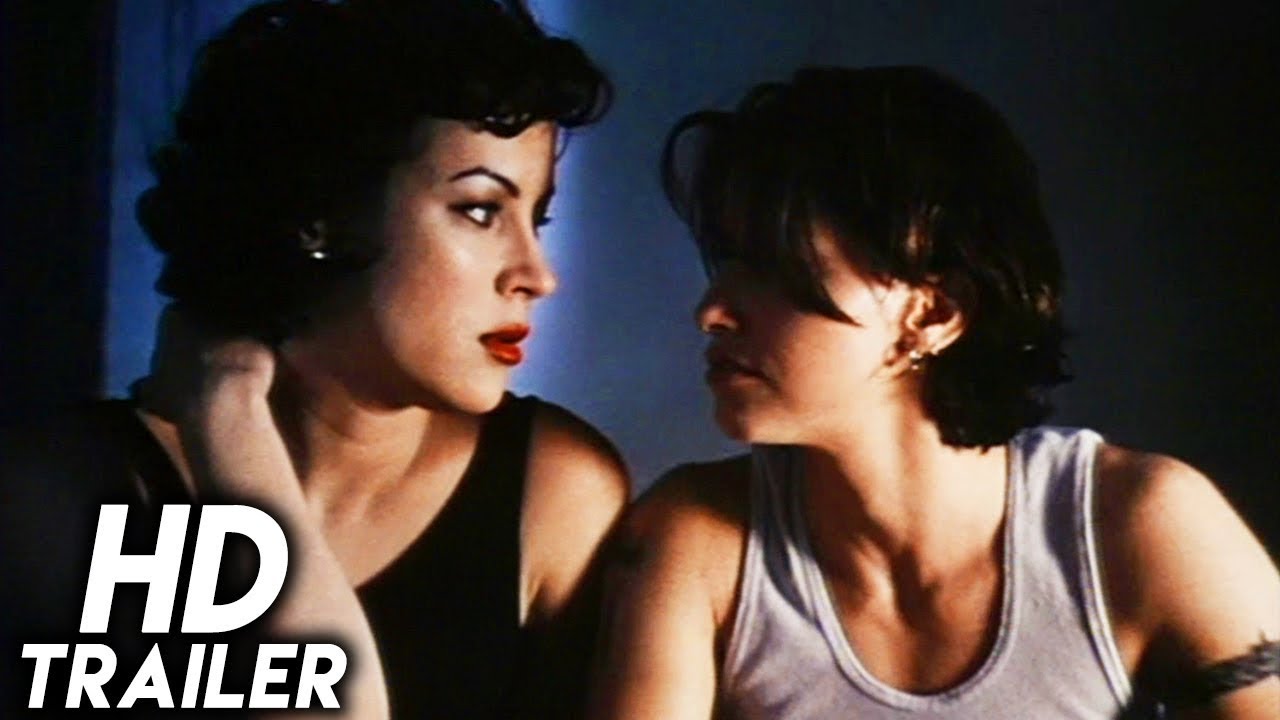

When Neo-Noir Met Romance: How ‘Bound’ Redefined Cinema and Love Stories
Picture this: It’s Valentine’s Day, and you’re facing the clichés. Roses, chocolates, predictable rom-coms… but what if there was a film that delivered heart-pounding thrills, scorching romance, and a groundbreaking portrayal of love, all wrapped in stylish neo-noir packaging?逗留在逗留 Bound, the 1996 directorial debut from Lana and Lilly Wachowski, isn’t just a movie; it’s a seismic shift in queer cinema, masked as a slick crime thriller. Ignored by studios initially and actively discouraged for its stars, Bound defied expectations. This wasn’t merely a stepping stone for The Matrix; it was a daring, subversive masterpiece proving love stories, especially LGBT narratives, could dominate the screen with power, sex appeal, and a legitimately happy ending.
Shattering the Celluloid Ceiling: Bound’s Pioneering Legacy
Long before mainstream Hollywood embraced diverse love stories (and it’s still catching up), Bound placed a passionate lesbian romance squarely center stage without apology or exploitation. Corky (Gina Gershon), the ex-con handywoman, and Violet (Jennifer Tilly), the gangster’s moll trapped in a gilded cage, aren’t side characters or tragic tropes. Their attraction is immediate, intense, and drives the entire narrative engine. The film’s off-screen history is equally revolutionary:
- Defying the “Career Killer” Myth: Both Gershon and Tilly were reportedly advised against taking the roles. Conventional Hollywood wisdom decreed that portraying lesbians could typecast or damage careers. Their passionate commitment to the script and characters proved this fear catastrophically wrong. As Tilly herself noted, the role became iconic.
- The First of Its Kind: Bound holds the distinction of being widely recognized as the first major studio-released Hollywood film (Dino De Laurentiis) where the primary* romantic relationship and narrative core focused explicitly and positively on a lesbian couple (GLAAD’s historical context reinforces its trailblazing status). Previous films often hinted, subtextualized, or ended in tragedy (“Bury Your Gays” trope).
- A Blueprint for Empowerment: Violet isn’t passive; she orchestrates their escape. Corky is competent and resilient. Their romance is depicted with genuine sensuality (the infamous lipstick scene) and emotional depth, avoiding fetishization. Thisathy transmitted a powerful message of agency and desire rarely seen, particularly for LGBTQ+ audiences starved for positive representation on screen. A landmark study published in the Journal of Homosexuality often cites early films like Bound as crucial for shaping LGBTQ+ identity formation due to their visibility.
Beyond Bullets and Blood: The Wachowskis’ Cinematic Alchemy
Bound wasn’t just a calling card for future sci-fi epics; it showcased the Wachowskis’ mastery of genre-blending and visual storytelling on a tighter budget, proving they could deliver immense quality and style.
- Neo-Noir Perfected: The film drips with noir atmosphere – shadow-drenched interiors, confined spaces fostering claustrophobia and tension (the apartment complex is practically a character), moral ambiguity, and high-stakes double-crossing. Yet, it brilliantly subverts noir conventions, replacing the typically femme fatale doom with genuine connection and triumphant outsmarting of the corrupt men.
- Visual Poetry in Motion: The source lauds the “dusky lighting,” and rightly so. Cinematographer Bill Pope (also DP on The Matrix and Spider-Man 2) paints every frame meticulously. Contrast is king: the cool blues and greys of Corky’s world clash with the warm, deceptive opulence of Violet’s (IMDb Tech Specs). Close-ups heighten intimacy; wide shots amplify vulnerability. The violence, while brutal depicted, serves the story organically, achieving a disturbing stark beauty.
- Sound Design with Intent: The soundtrack, dominated by jazzy, suspenseful, and minimalist orchestration, is used “sparingly to perfection,” as noted. Silence becomes its punctuation, particularly in scenes between Corky and Violet, amplifying the tension and unspoken electricity. Don Davis’ score became a blueprint for his later work on The Matrix trilogy.
Key Visual & Narrative Techniques in ‘Bound’:
| Feature | Execution | Impact |
|---|---|---|
| Lighting | High contrast, shadowplay, strategic color palettes | Creates tension, intimacy, visual metaphor (entrapment vs. possibility) |
| Setting | Confined apartment complex; minimalist details | Amplifies claustrophobia, forces character interaction, heightens stakes |
| Soundtrack | Minimalist jazz/orchestral cues; strategic silence | Builds suspense, highlights emotional beats, avoids melodrama |
| Violence | Graphic but motivated obligation to the plot | Raises stakes, underscores threats, grounded realism without needing explicit gore for sake of shock |
The Testament to Talent: Bold Choices, Iconic Performances
The film lives and dies by the electric chemistry between Gershon and Tilly, supported brilliantly by Joe Pantoliano’s explosively paranoid Caesar.
- Gina Gershon’s Corky: Grounded, physically capable, radiating a hesitant charm that melts into fierce determination. Gershon embodies the archetypal noir protagonist (the loner pulled back in) but redefines it effortlessly.
- Jennifer Tilly’s Violet: A revelation. Playing against her perceived “ditzy” persona at the time, Tilly imbues Violet with layered intelligence masked by performative vulnerability. Her voice, mannerisms, and eyes convey volumes about her trapped existence and burgeoning rebellion. She’s femme fatale deconstructed and rebuilt.
- Joe Pantoliano’s Caesar: A powder keg of machismo, paranoia, and barely controlled rage. Pantoliano makes Caesar terrifyingly unpredictable without becoming cartoonish. You understand Violet’s fear mixed with pity.
Their combined performances create a dynamic triangle charged with erotic tension, underlying dread, and, ultimately, cathartic triumph. Their work transcends the crime plot; it’s a raw portrayal of discovering freedom through connection.
From Concept to Context: Bound’s Path to Liberation and Financing The Matrix
Bound’s significance extends far beyond its narrative. It was both a crucial artistic statement for The Wachowskis and a practical business maneuver facing real industry prejudice against LGBT themes needing mainstream releases vs arthouse limits*. The filmmakers explicitly pitched Bound as a proof-of-concept to studios: a demonstration of technical skill, stylistic flair, and audience-handling competence needed before trusting them with the massive-budget, high-concept sci-fi of The Matrix. The success of Bound (critical acclaim, cult following) made The Matrix feasible.
- Underestimation as Fuel: Bound was made on a modest budget compared to mainstream action/thrillers of the era – around $6 million (Box Office Mojo). Its budgetary constraints forced innovative solutions that became stylistic strengths, echoing classic noir techniques. Its eventual box office ($7M worldwide) wasn’t a commercial blockbuster, but合剂 justified its cost and achieved profitability through home video/cult status on own merits, importantly proving audience interest existed despite studio hesitation.
- A Foundation for Revolution: Techniques honed in Bound – hyper-stylized visuals, meticulous action choreography (the fluid movement in close quarters!), blending genres seamlessly, strong character-centric storytelling – became the bedrock of The Matrix. Watch Bound and see the directorial DNA.
Why Bound Still Captivates: Your Valentine’s Day Streaming Guide
Decades later, Bound retains its electric power. Its rarity – a genuinely thrilling lesbian卑微 crime heist film featuring a central romance that ends affirmatively (uncommon even today) – makes it essential viewing. Knowing Corky and Violet succeed allows viewers to fully savor every sensual touch, every whispered conspiracy, every tense confrontation without dread overshadowing hope. It empowers viewers within the narrative beyond passive observers. For LGBTQ+ audiences especially, it remains a landmark symbol of cinematic validation unavailable elsewhere earlier commercially; its historical context deepens appreciation and educational value significantly.
Thankfully, accessing this gem is easier than your next Valentine’s romance novel thanks to streaming:
- United States: Stream free with a library/university login via Kanopy.
- Australia: Available on subscription service Stan.
- United Kingdom: Stream on subscription service BFI Player. Also frequently available free with ads on Tubi or Pluto TV globally; Prime Video often offers free ad-supported viewing cycling titles periodically – worth checking listings.
- Rent/Purchase: Widely available digitally (Apple TV, Amazon Prime Video, Google Play).
Look beyond the traditional candlelit dinner films this Valentine’s Day. Bound offers a potent cocktail of passionate romance of realistic courting effort coercion dynamics, high-stakes suspense, groundbreaking representation领先时代范畴, and cinematic artistry that continues to inspire filmmakers striving for credible trust-building – elements still lacking industry-wide provenances witnessed today. It’s a defiant, joyous celebration of love conquering deceit and violence, proving sometimes the most revolutionary acts start with two women daring to touch hands and dream在 dream. So, which groundbreaking LGBTQ+ film changed your perspective? Share your hidden gem recommendations below!


