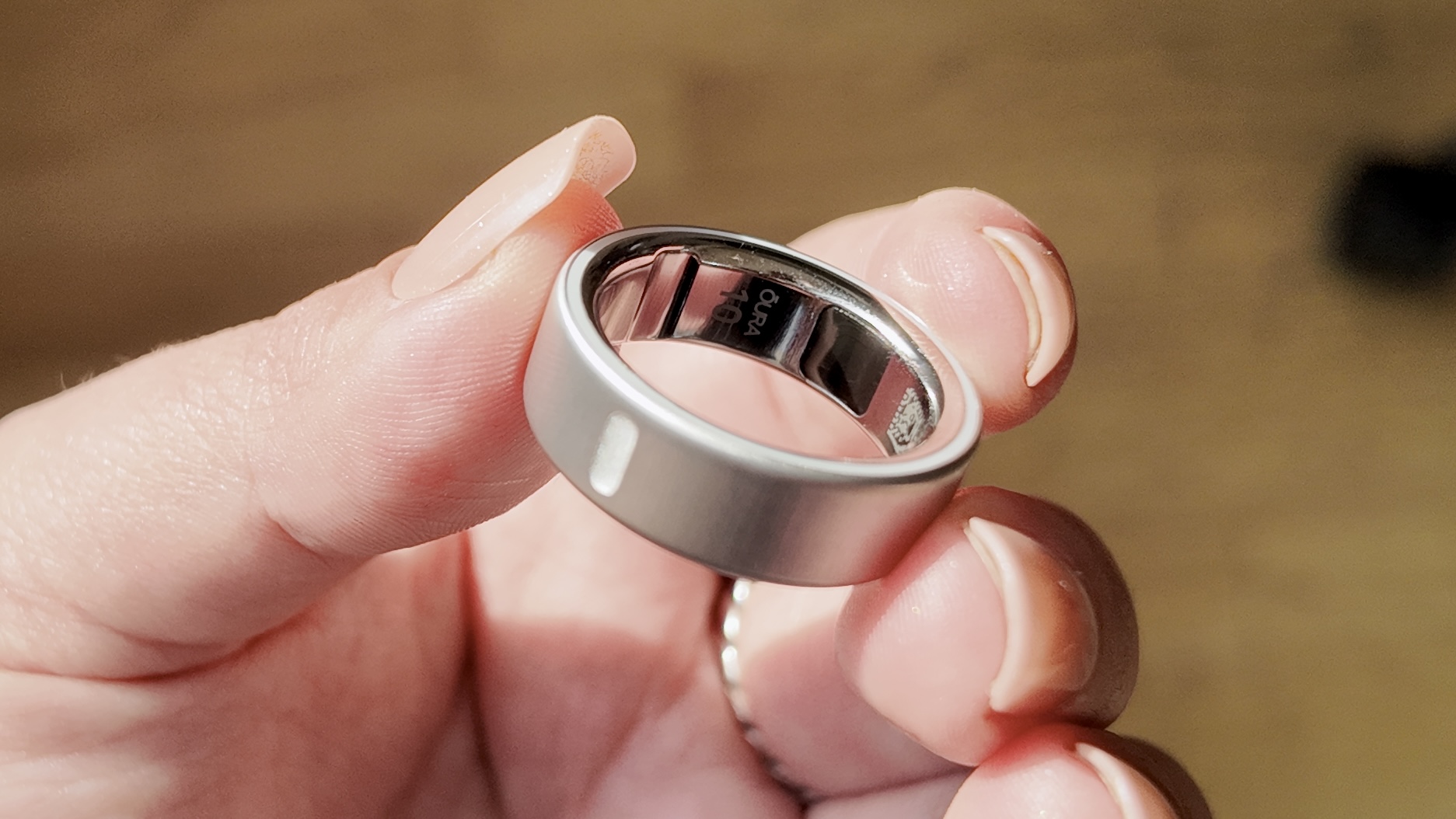

The Oura Ring and the U.S. Military: A Controversy Unveiled
Is the data collected by your Oura Ring potentially being used by the U.S. military? Recent news surrounding Oura’s expanding partnership with the U.S. Department of Defense (DoD) has sparked concern and even subscription cancellations among some users. As the Oura Ring continues to solidify its position as a leading health and wellness tracker, understanding the details of this collaboration and its potential implications is crucial. This article dives deep into the Oura Ring controversy, exploring the facts, addressing user concerns, and examining whether this partnership should truly impact your decision to wear this smart ring.
Unpacking the Oura Ring U.S. Military Controversy
The uproar stems from Oura’s announcement of a deeper collaboration with the U.S. military, including the investment in a new factory in Fort Worth, Texas, slated to open in 2026. This announcement brought to light two primary areas of concern for Oura Ring users.
Is Oura Ring Sharing Data with the Military? Examining User Privacy Concerns
One of the main concerns revolves around the potential sharing of user data with the U.S. military. Some users are apprehensive about their personal health metrics being accessed or utilized by the government, especially those who hold differing views on U.S. military actions. This fear is amplified by the knowledge that the DoD is Oura’s “largest enterprise customer,” suggesting a significant level of data interaction.
Palantir’s Role: Surveillance Concerns and Data Security
Compounding the issue is Oura’s connection to Palantir, a data analytics company known for its work with government agencies and its controversial data-mining practices. Palantir is responsible for managing the privacy and security aspects of Oura’s military projects. Palantir’s involvement in U.S. immigration enforcement has fueled apprehension among users who are wary of companies with a history of aggressive surveillance. This raises the question: is Palantir’s presence a cause for concern regarding the security of Oura Ring user data?
Key Concerns Summarized:
- Data Sharing with the Military: Fear of personal health data being accessed by the U.S. Department of Defense.
- Palantir’s Involvement: Concerns regarding data security and privacy due to Palantir’s reputation for data-mining and government contracts.
- Ethical Considerations: Unease among users who disagree with U.S. military strategies or Palantir’s practices.
Oura’s Response: Separating Individual and Enterprise Data
In response to the growing concerns, Oura CEO Tom Hale addressed the issue directly through a TikTok video. Hale clarified that individual customer data is handled completely separately from the data of enterprise customers like the DoD. This separation is crucial in mitigating the risk of unintended data sharing.
Furthermore, Oura issued an official statement clarifying Palantir’s role. The statement emphasized that Palantir is not an Oura partner in the broader sense, but rather a provider of security services specifically for some of the DoD’s projects. This distinction aims to reassure users that Palantir’s involvement is limited in scope and doesn’t extend to the general Oura Ring user base.
Oura’s privacy policy further solidifies this stance, stating that the company will never share user data with third parties without explicit consent. This policy provides a legal framework for protecting user privacy and ensuring transparency in data handling practices.
Oura’s Reassurances:
- Data Segregation: Clear separation of individual and enterprise customer data.
- Limited Palantir Role: Palantir provides security for specific DoD projects, not a general partnership.
- Privacy Policy: Commitment to not sharing data with third parties without consent.
The History of Oura’s Partnership with the U.S. Military
It’s important to note that Oura’s collaboration with the U.S. military is not a recent development. The partnership dates back to 2019, initiated by the Naval Health Research Center (NHRC) following a fatigue-related incident in 2017.
The NHRC sought to use the Oura Ring to monitor the vitals of service members to mitigate exhaustion and prevent future accidents. Since then, Oura has supplied “tens of thousands of rings” to the U.S. military. The stated goals of this collaboration are to enhance service member performance in areas such as:
- Stress management and resilience
- Fitness and recovery optimization
- Fatigue risk management
- Early illness detection
This long-standing partnership highlights the potential benefits of using wearable technology for monitoring and improving the health and well-being of individuals in high-stress professions.
Assessing the Risk: Is Your Oura Ring Data at Risk?
While concerns about data privacy are valid, the panic surrounding the U.S. military accessing individual Oura Ring data appears to be largely overblown. The combination of data segregation, Oura’s privacy policy, and the limited scope of Palantir’s involvement suggests that the risk of unauthorized data access is relatively low.
It’s highly improbable that the CIA is actively monitoring the resting heart rate of individual Oura Ring users. However, users who are fundamentally opposed to the U.S. military’s actions or Palantir’s practices may still feel uncomfortable with the partnership, regardless of the actual risk to their data.
Likelihood of Data Misuse:
| Factor | Likelihood | Justification |
|---|---|---|
| Data Sharing with DoD | Low | Data segregation, privacy policy, limited Palantir role |
| CIA Monitoring | Very Low | Implausible scenario given existing safeguards |
| Ethical Concerns | High | Valid concerns for users with opposing views on the military or Palantir |
Alternatives to Oura Ring: Exploring Other Smart Ring Options
For users who are genuinely concerned about the Oura Ring controversy and are considering switching to a different device, there are several alternatives available. While Oura has established itself as a leading brand, other smart ring manufacturers are gaining traction in the market.
Some of the notable Oura Ring alternatives in 2025 include:
- Circular Ring: Known for its sleek design and focus on activity tracking.
- Movano Ring: Focused on providing medical-grade health insights.
- Ultrahuman Ring Air: A lightweight and feature-rich competitor.
These alternatives offer varying features and price points, allowing users to choose a device that best aligns with their needs and preferences.
Conclusion: Weighing the Pros and Cons of Oura’s Military Partnership
In conclusion, the controversy surrounding the Oura Ring’s partnership with the U.S. military is a complex issue with valid concerns on both sides. While the risk of individual user data being accessed by the military appears to be low, ethical considerations may outweigh the benefits for some users. Oura has taken steps to address privacy concerns by separating individual and enterprise data and clarifying Palantir’s role. Ultimately, the decision to continue using the Oura Ring or switch to an alternative depends on individual values and priorities.
What are your thoughts on the Oura Ring and U.S. military partnership? Are you sticking with your Oura Ring, or are you considering other options? Share your opinions in the comments below!
Sources & Further Reading:
Original article at www.tomsguide.com


