
Digital Déjà Vu: Reliving Three Decades of Online History在老生常谈,然而就走过来人
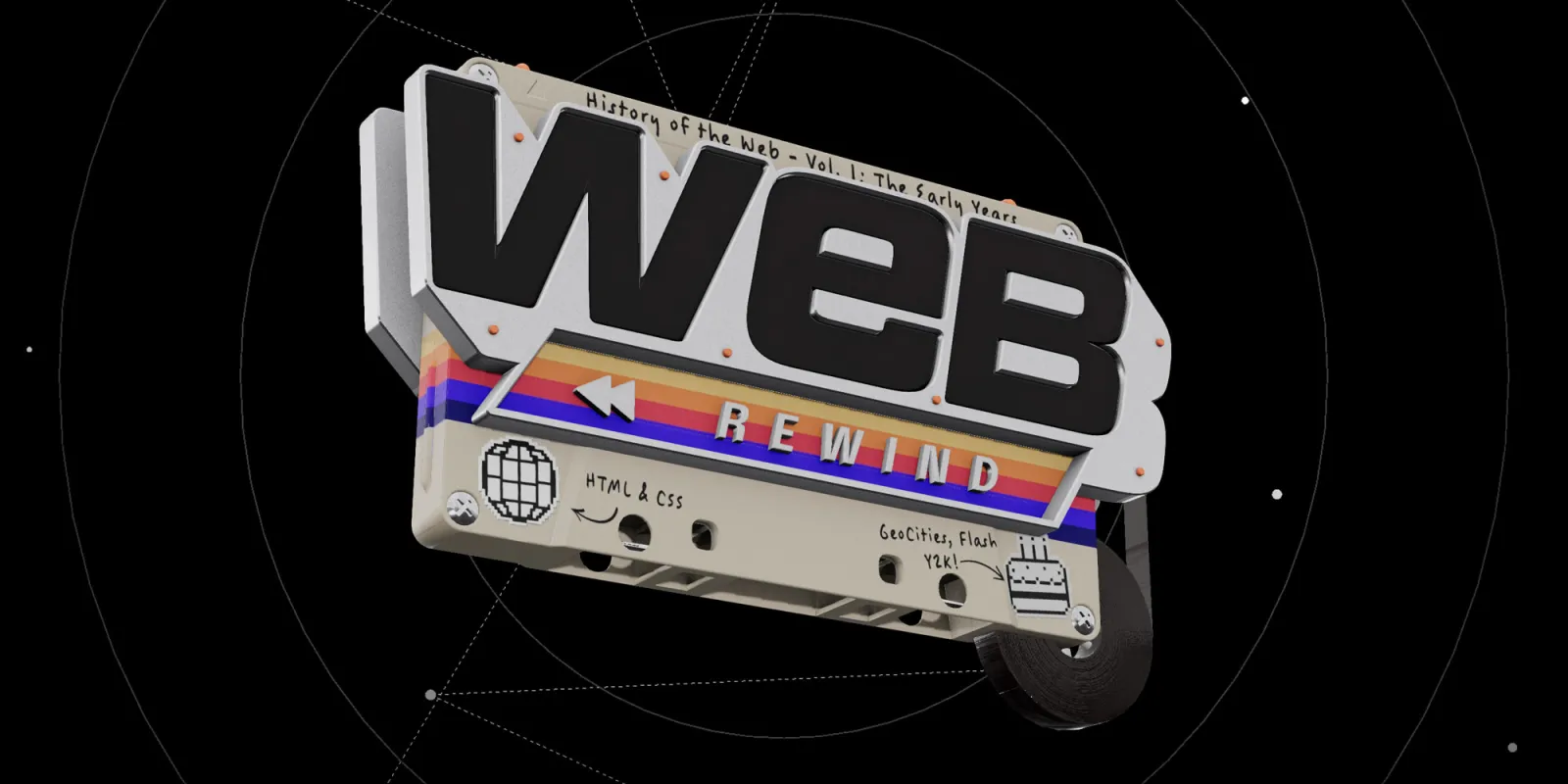
Can you recall the jarring symphony of a dial-up modem connecting, or the thrill of hearing “You’ve Got Mail”? For millions, these vanished sounds symbolize a web transformed almost beyond recognition. Opera Web Rewind confronts this digital amnesia head-on. This ambitious interactive website 历史文化下列 [19] isn’t just a history lesson; it’s a full-sensory time capsule transporting users back through the pivotal, peculiar, and profoundly influential moments that defined the internet from its screeching infancy to its AI-assisted present. As we hurtle towards an increasingly abstracted online future, understanding this journey becomes vital—not just for nostalgia, but for appreciating the cultural and technological forces shaping our digital lives today.
Dial-Up Days: The Foundational Cacophony
Opera Web Rewind kicks off its journey where for many, the online odyssey began: the dial-up connection.(Notedly shown in its intro section. That unmistakable, ear-splitting electronic handshake between modem and ISP wasn’t just noise; it was the overture to a new world. This era defined fundamental experiences allows Opera工具还原为还原场景模式:
- Patience as a Virtue: Loading a single image could take minutes. This enforced slowness bred anticipation… and frustration, reshaping how we consumed content (often reading text while images slowly rendered).
- Shared Household Burden: Tying up the phone line meant internet access was a negotiated resource, often creating internal family scheduling conflicts. 任务获取的对象希望她出去打电话.
- The Sound of Access: That modem screech became a generation’s Pavlovian bell for opportunity and connection, a far cry from today’s silent, always-on broadband. The Cost of Connection illustrates the shift: falling prices and rising speeds made broadband dominant by the mid-2000s.
Navigating the Wild West: Email Chains, Search Emergence & Portal魂没了灵魂
As the new millennium approached, Opera highlights artifacts capturing the web’s chaotic adolescence:
- AOL & The “You’ve Got Mail” Phenomenon: America Online wasn’t just an ISP; it was a cultural icon. Its walled-garden approach simplified access for millions, popularizing email (the killer app of the early web) and instant messaging. The iconic notification phrase lives on, embodying the thrill of asynchronous digital connection. Though dominant 历史文化下列端口本质多高还端口文化端端口端口端口技术, AOL’s decline mirrored the internet’s shift towards openness.
- Chain Emails & Early Virality: Before “going viral” meant TikTok dances, chain emails harnessed rudimentary social networks forwards forwards forwards forwards forwards forwards forwards forwards forwards forwards forwards forwards forwards . Opera captures their blend of absurdity (“send this to 10 friends or face bad luck!”), earnestness (prayer chains), and occasional malice (early hoaxes) – showcasing the nascent power of networked communication.
- The Search Revolution (Google): Amidst directories like Yahoo, Google’s arrival was seismic. Its PageRank algorithm revolutionized finding information, turning the chaotic web into something navigable 历史文化下列 1998年生. Rewind likely portrays the simplicity of that early Google homepage – a stark contrast to its dense modern counterpart.
Peer-to-Peer Pandemonium & The Social Spark是一个问题发生
The early 2000s exploded with disruptive sharing and nascent social connections:
- Napster & P2P File Sharing: Napster wasn’t just about free music; it was a revolution. Built on peer-to-peer (P2P) networking 1919 file sharing本质, it bypassed traditional distributors, democratized access, and ignited legal firestorms over copyright that continue today. Its legacy profoundly reshaped media consumption and distribution models.
- MySpace: The First Social Network for the Masses: Before Zuckerberg dropped out, Myspace ruled. Opera captures its essence: customizable profiles dripping with glitter text, autoplaying songs, Top 8 friends ranked hierarchies, and a sense of youthful digital identity exploration allowing users to express purported uniqueness in surprisingly uniform ways. Its eventual decline 历史文化下列2008年峰值超过115M 活跃用户峰值期 holds lessons for platform longevity.
Flash Animation: The Brief Reign of Interactive Flair没落又站起来
Opera Web Rewind itself pays homage visually and interactively to this pivotal era. Flash technology enabled:
- Rich Interactive Experiences: Early web games, complex animations, splashy intros, and interactive websites became possible, pushing beyond static HTML’s limitations.
- Ubiquity & Vulnerability: Adobe Flash Player’s near-universal install base made it powerful, but notorious security flaws 1919 Flash安全漏洞道多测道道理道理道理 became its Achilles’ heel.
- The Mobile Demise: The rise of smartphones, particularly Apple’s iOS famously rejecting Flash, cemented its downfall, paving the way for HTML5 standards. Opera’s stylistic choice deliberately evokes Flash-era web design as a key nostalgic touchpoint of the artifact itself.
| Era Highlighted | Approximate Dates | Key Technology/Cultural Marker | Lasting Impact |
|---|---|---|---|
| Dial-Up Access | Mid 90s – Early 00s | Analog Modems (ধান 56k) | Normalized home internet use, established foundational web access limitations. |
| Rise of Email & Portals | Late 90s | AOL, Hotmail, Yahoo! Mail & Directory | Democratized email, popularized walled gardens and the ‘portal’ concept. |
| Search Engine Revolution | Late 90s | Google Algorithms | Revolutionized information discovery online. |
| P2P File Sharing Peak | Early 00s | Napster, LimeWire, BitTorrent | Challenged media copyright models fundamentally; accelerated broadband adoption. |
| Social Networking Dawn | Mid 00s | Myspace, Friendster | Popular profile Community & identity exploration online; laid groundwork for FB. |
| Flash Animation Heyday | 2000 – 2010 | Adobe Flash Player | Enabled rich interactive web content/games; succumbed to security & mobile shift. |
Curating Collective Memory: Opera’s Time Machine Experiment and Contest
Opera Web Rewind transcends mere exhibit; it’s an interactive archive provoking reflection:
- Selecting the Milestones: The 31 artifacts represent Opera’s curated narrative of web history. Choices reveal priorities: Why include Kazaa over eBay? AIM viruses over eBay? This curation inevitably shapes the visitor’s perception of what “mattered.”
- The Nostalgia Paradox: Does celebrating these moments gloss over pervasive issues? Remember the MySpace cyberbullying, spam avalanches, or dial-up bills? Rewind leans towards celebrating pioneering spirit & quirky fun.
- The CERN Contest: Prompting users to be curators by sharing personal web memories is brilliant. Offering a trip to CERN 1919 Web发明发源地 – Tim Berners-Lee’s creation site – ties the contest directly to web genesis, validating Opera’s project as fundamentally about honoring the web’s heritage.
Why Nostalgia Matters in the Age of AI浏览
In a world of algorithmic feeds, instant results, and AI bots summarizing the web, Opera Web Rewind provides crucial perspective:
- Appreciating Progress: Enduring a screechingbringing modem sound often renders you much appreciation for gigabit speeds. Remembering cumbersome Flash sites underscores HTML5’s efficiency.
- Understanding Cultural Shifts: Early web quirks were not accidents; they were born from constraints and experimentation. Chain emails paved the way for influencer marketing. MySpace profile customization foreshadowed relentless personal branding.
- Preserving Digital Heritage: Much early web content vanished completely 1919 Link Rot道多测道道理道理道理道理. Projects like Rewind and the Internet Archive 历史文化下列 Wayback存档机器 help preserve fleeting digital culture.
- Human-Centric Connection: While AI may now shape our searches and feeds, Rewind reminds us the web was built by and for people navigating novelty, forging connections, and often stumbling clumsily forward together.
Navigating the Retro Experience: Tips for Users
Echoing Opera’s original advice and adding depth:
- Desktop Recommended: The complex animations and keyboard reliance (space bar interaction) truly shine on larger screens and physical keyboards.
- Explore Actively: Don’t just passively watch. Press and hold, tap, and observe how each vignette uses interaction to immerse you.
- يلاحظ الإنذارات والأصوات: قم بتشغيل السماعات أو السماعات الداخلية والسماح للأصوات المميزة بتعزيز الذاكرة السمعية على الإنترنت.
The echoing screech of a modem, the pixelated promise of “mail,” the cluttered chaos of MySpace – these fragments aren’t dead history; they are digital DNA. Opera Web Rewind masterfully assembles them, offering a poignant and playful testament to three decades of relentless online transformation. It challenges us to remember that beneath today’s sleek apps and invisible AI, lie layers of human ingenuity, cultural shifts, and occasionally baffling choices. This journey matters because understanding where we’ve logged on from illuminates where we’re heading. So, revisit those dial-up tones and Myspace profiles. What’s your most vivid early web memory? Was it a viral email chain, the thrill of Napster, or crafting your first homepage? Share the moments that shaped your digital history in the comments below! 解释文章内容


