
H3: Whyুদ্ধথে## The Untapped Android Feature That Eliminates Lock Screen Frustration
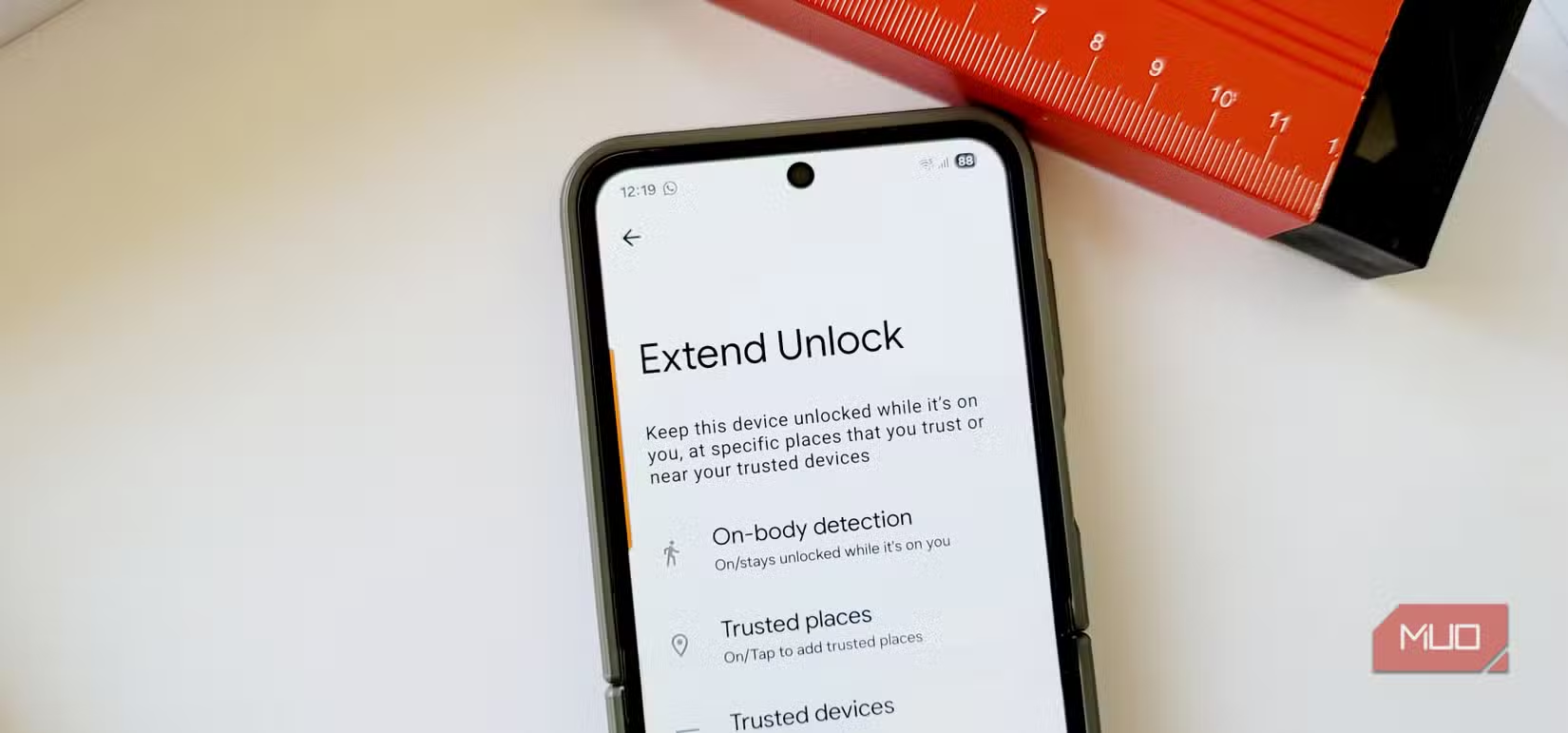
Did you know smartphone users typically unlock their device 80-110 times daily? For tech professionals like me who constantly test apps and hardware, that number skyrockets. Despite biometric shortcuts, these micro-interruptions drain productivity—especially at home when security worries lessen yet authentication hurdles persist. Enter Android’s hidden gem: Extend Unlock. This underutilized feature intelligently maintains your phone’s unlocked status in trusted environments while reinstating security when you move away. By reducing repetitive authentication friction, it transforms your Android experience through contextual awareness.
The Unseen Burden: Why We Need Extend Unlock
Modern smartphones prioritize security, but biometric methods have situational blind spots:
- Fingerprint sensors fail with moisture (like sweaty hands)
- Face unlock requires device positioning impractical at desks
- PIN entry interrupts navigation during driving or commuting
These aren’t rare edge cases. A Cambridge University study confirmed environmental factors degrade biometric accuracy by 20-40%. My motorcycle rides with Maps navigation exemplify the struggle – juggling helmets and gloves while needing to tap PINs dangerously diverts attention. Extend Unlock solves this with contextual intelligence rather than compromising fundamental security.
Decoding Extend Unlock: From Smart Lock to Smarter Convenience
Despite its recent branding, Extend Unlock evolves from Android’s Smart Lock feature—but with critical improvements:
- Intelligent Triggers: Keeps devices unlocked when:
- At trusted locations (home/office coordinates)
- شرکت Paired to designated Bluetooth devices (car stereos, smartwatches)
- Detecting continuous motion through accelerometers
- Reliability Upgrades: Earlier iterations were notoriously inconsistent, with studies showing failure rates exceeding 35%. Google refined the location algorithms and Bluetooth stability, cutting failures dramatically.
- Security Baseline: Unlike permanent bypasses, it only activates after initial manual authentication and re-locks automatically after:
- Location boundaries breach
- Bluetooth disconnection
- Device restarts
- 4-hour inactivity intervals
Philosophically, it embraces “adaptive security”—tightening protocols when risk increases while reducing friction where threat levels are low.
Step-by-Step: Enabling Extend Unlock on Your Device
Implementing this feature takes minutes across Android variants:
Universal Requirements:
- Active screen lock (PIN, pattern, or password)
- Location/GPS enabled (for Trusted Places)
- Bluetooth pairing completed (for Trusted Devices)
Pixel & Stock Android:
- Settings → Security & Privacy → Device Unlock
- Tap “Extend Unlock” → Enter current PIN/pattern
不断 - Choose: Trusted Places, Trusted Devices, or On-Body Detection
Samsung Galaxy:
- Settings → Lock Screen & AOD → Extend Unlock
- Follow prompts → Configure desired options
Prioritize “Trusted Places” initially. Search addresses precisely—GPS drift can cause misfires near perimeter edges. Pair dedicated gadgets like personal smartwatches rather than shared speakers to reduce vulnerabilities.
Navigating the Three Trusted Worlds: Pros and Trade-Offs
Extend Unlock’s versatility shines through its operational modes—each with distinct strengths and weak spots:
| Trust Mode中新 | Best For | Limitations | Optimization Tips |
|---|---|---|---|
| Trusted Places | Home/Office use; stationary contexts | GPS drift triggers untimely locks/unlocks | Set precise coordinates via Google Maps |
| Trusted Devices | Driving; workouts; paired gadgets | Bluetooth range issues; compromised if device stolen | Use personal wearables, not shared systems |
| On-Body Detection | Walking/running; active commutes | Can’t authenticate user identity during motion | Enable Android’s Theft Detection Lock辅助 |
Specific scenarios reveal where modes excel:
- Dashboard Mounts: Trusted Devices keep navigation unlocked en route
- Desk Work: Trusted Places prevent sleep-induced relocks when referencing documents
- Shopping: On-body detection maintains access while moving through stores
According to Bluetooth SIG research, indoor environments reduce Bluetooth range by 30-50%, requiring proximity when using Trusted Devices. For critical applications, combine modes—like activating both Trusted Places and Devices at home.
The Edge of Convenience: Security Trade-Offs You Must Consider
Lowering authentication frequency inevitably carries risks. Key vulnerabilities include:
- Physical Access Exploits: Trusted Places allow home intruders/visitors unrestricted access if your phone is unattended
- Device Theft: On-Body detection can’t distinguish between your grip and a thief’s
- Shared Hardware: Office Bluetooth speakers or family cars could enable unauthorized unlocks
Google mitigates some risks passively Lippert with automated relocking during breaches. Most critically, complement Extend Unlock with Android’s Advanced Protection suite:
- Theft Detection Lock: Uses sudden motion sensors to lock devices during snatches
- Automated Lock Timer: Default 4-hour relock threshold
- Biometric Layering: Fingerprint/face scan fallbacks when cafés leaving trusted zones
Though imperfect, these guardrails balance risks appropriately—especially for low-threat environments.
The Verdict: Smaller Risks, Sweeter Rewards
Extend Unlock exemplifies contextual computing brilliance. After a year of use dangling, my home workstation sessions lost PIN-entry distractions completely. While security compromises exist, statistically most thefts (近 nearly 70% according to FBI data) involve opportunistic grabs en route—not infiltrating private spaces where Trusted Places operate. Recommend cautiously:
- Avoid if you distrust home/office companions
- Combine with biometrics and timed lockouts
- Prioritize personal Bluetooth devices over public ones
Does Android’s hidden convenience transform YOUR daily interactions? Test Extend Unlock settings tonight—and decide whether seamless access outweighs its measured risks. Your thumbs (and attention span) will thank you.ज़.


