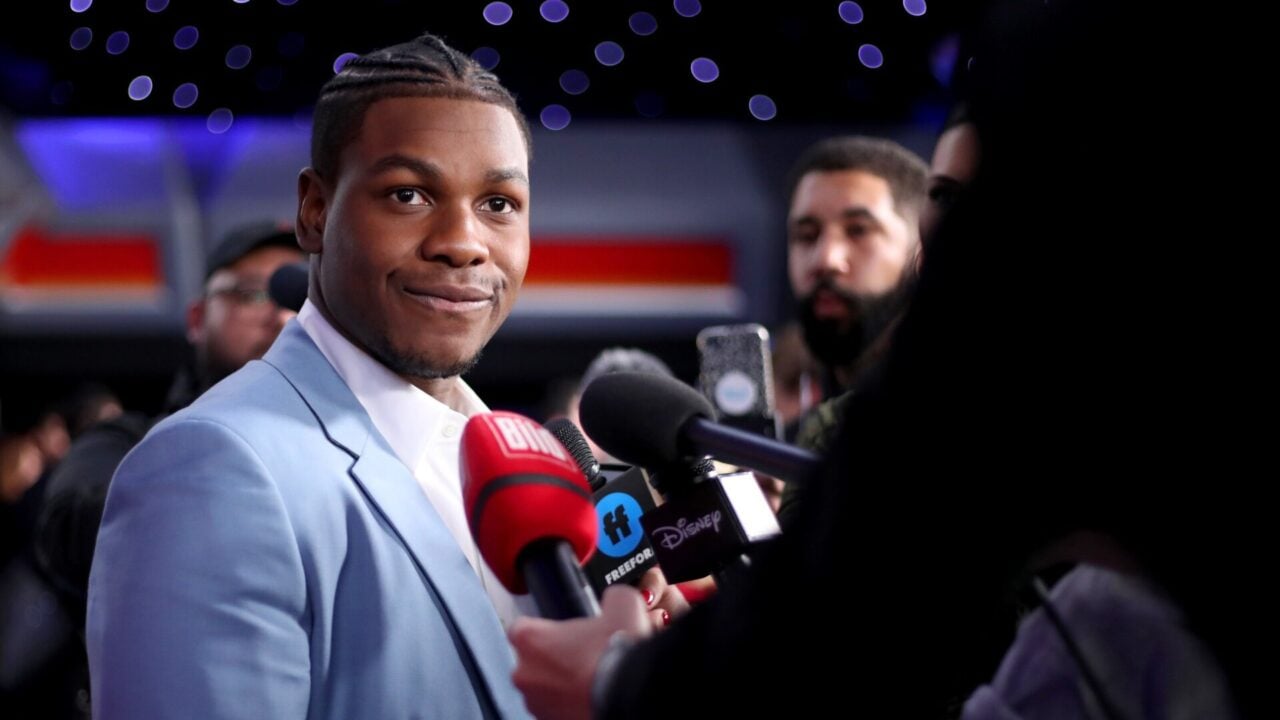

Could the galaxy far, far away learn a thing or two from the final frontier? In the ongoing debate between Star Wars and Star Trek, actor John Boyega has offered a fresh perspective that continues to resonate in 2026. Speaking at Dragon Con in 2024, the Rise of Skywalker star suggested that Star Wars could benefit from adopting Star Trek’s emphasis on dialogue and problem-solving over action. His remarks, which have gained renewed attention amid ongoing fan discussions, highlight a fundamental difference in how the two iconic franchises handle conflict and character development.
Boyega, who played Finn in the Star Wars sequel trilogy, admitted he’s a fan of both universes but feels more aligned with Star Trek’s approach. “In Star Trek, they give you time to have discussions. I think there’s something Star Wars can learn from that,” he said. This insight, part of his soft launch into pop culture punditry, touches on a key critique of modern Star Wars: the reliance on lightsaber duels and spectacle over meaningful conversation.
The Core Difference: Action vs. Dialogue
Boyega’s argument centers on the narrative pacing of each franchise. Star Wars, particularly in its recent films and series, often prioritizes high-octane action sequences—lightsaber battles, space dogfights, and Force-powered showdowns. In contrast, Star Trek dedicates significant screen time to characters talking through ethical dilemmas, scientific problems, and interpersonal conflicts.
This difference isn’t just stylistic; it shapes how fans engage with the stories. Star Trek’s dialogue-heavy episodes allow for deeper exploration of themes like diplomacy, identity, and morality. For instance, Star Trek: The Next Generation episodes like “The Measure of a Man” or “The Drumhead” are celebrated for their courtroom debates and philosophical discussions, setting a standard for thoughtful sci-fi.
Star Wars, on the other hand, often resolves conflicts through action, as seen in The Last Jedi’s throne room fight or The Force Awakens’ Starkiller Base assault. While thrilling, these moments can overshadow character growth and thematic depth. Boyega’s call for more dialogue isn’t about eliminating action but finding a balance that enriches storytelling.
Boyega’s Broader Critiques of Star Wars
This isn’t the first time Boyega has offered constructive criticism of the franchise. Since The Rise of Skywalker, he’s spoken out about several issues:
- The “Reylo” dynamic: He questioned the romantic resolution between Rey and Kylo Ren, suggesting it undermined character arcs.
- Luke Skywalker’s portrayal: Boyega expressed mixed feelings about the depiction of Luke in The Last Jedi, particularly his isolation and death.
- Overpowered characters: He warned against making new characters too strong, which can reduce stakes and narrative tension.
These critiques align with fan discussions and have been echoed by other actors and creators. In 2026, as Star Wars continues to expand with series like Skeleton Crew and Ahsoka season 2, Boyega’s insights remain relevant for shaping future content.
Toxic Fandom and Diversity in Star Wars
Boyega also addressed the toxic side of Star Wars fandom, particularly the racist backlash faced by actors of color. He pointed out the hypocrisy of fans who complain about “woke” casting while accepting alien creatures like Babu Frik. This issue came to a head with the treatment of The Acolyte star Amandla Stenberg and Obi-Wan Kenobi actor Moses Ingram, who faced online harassment.
In 2026, the industry has made some progress, with studios like Disney implementing better support systems for cast members. However, the problem persists, as seen in recent social media attacks on actors in Star Wars: Eclipse. Boyega’s comments highlight a need for fandoms to embrace diversity as a strength, not a threat.
Star Trek, with its long history of progressive casting—from Nichelle Nichols’ Uhura to Sonequa Martin-Green’s Michael Burnham—offers a model for inclusive storytelling. The franchise’s focus on dialogue and collaboration may naturally foster a more welcoming fandom.
What Star Wars Can Learn from Star Trek’s Approach
Integrating more dialogue into Star Wars doesn’t mean abandoning its identity. The franchise has already shown success with character-driven moments, such as the conversation between Luke and Yoda in The Empire Strikes Back or the debate between Rey and Kylo Ren across the Force bond. Expanding these scenes could deepen emotional impact.
Recent Star Wars projects have experimented with this. Andor, for example, is praised for its political intrigue and character conversations, earning comparisons to Star Trek: Deep Space Nine. Similarly, The Mandalorian balances action with quiet character beats. Boyega’s suggestion encourages even more emphasis on dialogue, especially in films where pacing often rushes through key interactions.
From a storytelling perspective, dialogue-driven scenes can:
- Explore moral gray areas
- Develop relationships organically
- Provide exposition without feeling forced
- Create memorable quotes and moments
Star Trek’s formula isn’t perfect—some episodes can be overly talky—but its commitment to conversation offers a valuable lesson for Star Wars to slow down and let characters talk.
The Future of the Rivalry: Can Both Franchises Coexist?
The rivalry between Star Wars and Star Trek fans is as old as the franchises themselves. Yet, as Boyega noted, most fans enjoy both. In 2026, the lines are blurring further with cross-pollination of talent (directors, writers) and shared themes. Both franchises are exploring dark timelines, multiverse concepts, and complex villains.
Disney’s Star Wars and Paramount’s Star Trek are also competing for streaming dominance. Star Wars: Skeleton Crew and Star Trek: Strange New Worlds season 3 both launched in early 2026, drawing comparisons. Boyega’s insight could influence how Lucasfilm approaches its next slate, including the upcoming New Jedi Order film.
Ultimately, the goal isn’t for one franchise to copy the other but to learn from its strengths. Star Wars can maintain its epic battles while incorporating more dialogue-driven scenes. Star Trek, in turn, can learn from Star Wars’ spectacle when needed.
Conclusion: A Call for Balance in Storytelling
John Boyega’s 2024 Dragon Con comments remain a touchstone for fans and creators in 2026. His suggestion that Star Wars adopt Star Trek’s dialogue approach isn’t a radical overhaul but a call for balance. By blending action with meaningful conversation, Star Wars can enrich its storytelling and address criticisms about character depth.
As the franchise evolves, listening to voices like Boyega’s could help it avoid pitfalls and create more resonant stories. Whether you’re a Jedi or a Starfleet officer, the ultimate goal is the same: great science fiction that makes us think and feel.
What do you think? Should Star Wars incorporate more dialogue like Star Trek? Share your thoughts in the comments below!


