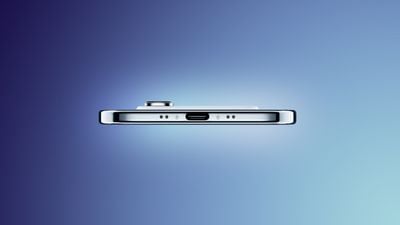

The Irony of Genius: Why Apple’s Record-Thin Titanium Masterpiece Clings to Ancient Tech
Few tech announcements generate the fervor surrounding Apple’s product launches. The recent introduction of the ultra-svelte iPhone Air sent shockwaves, particularly with its revolutionary use of 3D-printed titanium. Yet, nestled within the eco-friendly boasts and engineering marvels, one perplexing detail emerges: a cutting-edge manufacturing process paired stubbornly with painfully outdated data speeds. Why invest in the aerospace-grade future of 3D printing technology for a crucial component, only to hobble it with old USB 2.0 limitations? This juxtaposition embodies both the forward-thinking brilliance and baffling conservatism we’ve come to expect from Cupertino. Understanding this tech leap – titanium additive manufacturing – is key to grasping Apple’s evolving design and sustainability strategy, even when seemingly held back by legacy constraints.
Deconstructing the Magic: What is Titanium Additive Manufacturing?
The term “3D printing” often conjures images of plastic trinkets. But Apple’s application elevates it to an industrial art form. The iPhone Air’s USB-C port isn’t molded or forged; it’s born from powdered titanium, meticulously layered and fused using sophisticated metal additive manufacturing.
- The Core Process: It starts with a highly detailed Computer-Aided Design (CAD) model. Fine titanium powder is spread in thin layers across a build platform. A powerful energy source – often a laser or electron beam – selectively melts the powder according to the CAD pattern, creating a solid cross-section. The platform lowers slightly, a new powder layer is applied, and the process repeats until the complete, intricate titanium part is formed (Source: TWI Global – What is Additive Manufacturing?).
- Beyond Shaping – Design Freedom: This fundamental shift removes many constraints of traditional metalworking. Complex internal structures and geometries that are impossible to forge or machine become achievable. Components can be optimized for weight, strength, and material usage in ways previously unimaginable (Source: NASA – The Future of Flight: Additive Manufacturing Takes Off).
The Three Pillars of Titanium’s Triumph: Thin, Strong, Green
Apple explicitly highlights three critical advantages driving the adoption of titanium 3D printing for the USB-C port:
- Ultra-Thin Achievement: Additive manufacturing allows design precision that achieves previously impossible thinness. For the iPhone Air, notorious for its razor-thin 5.6mm profile, saving fractions of a millimeter in the port structure is crucial for overall device slimmness and internal space utilization. Every micron counts in this engineering feat.
- Enhanced Strength & Durability: Titanium is renowned for its exceptional strength-to-weight ratio and corrosion resistance (crucial for a port exposed to wear and environmental elements). Additive processes can enhance inherent material strength by enabling micro-structures optimized for stress distribution. This potentially translates to a port that better resists bending, cracking, or damage from repeated cable insertions compared to traditionally crafted ports.
- Sustainability Leap: The 33% material reduction claim is perhaps the most strategically significant. Metal additive manufacturing significantly reduces “buy-to-fly” ratios. In traditional forging or machining, a large billet of solid titanium is significantly whittled away to create the final part, generating substantial scrap. In contrast, 3D printing adds material only where needed, drastically minimizing waste. Combined with titanium’s recyclability, this represents a tangible step towards Apple’s ambitious environmental goals for supply chain sustainability.
Beyond the Port: Apple’s Additive Ambition Widens
The iPhone Air’s port isn’t an isolated experiment. Apple revealed a broader strategy around titanium 3D production:
- Apple Watch Revolution: The new Apple Watch Ultra 3 and select premium Apple Watch Series 11 models feature titanium cases crafted using additive manufacturing. Crucially, Apple states this new method uses half the raw titanium material compared to previous-generation watch cases. |
Apple Watch Titanium Case Comparison |
|——————————-|——————-|——————-|
| Generation | Ultra 2 / S10 | Ultra 3 / S11 (Select) |
| Material | Titanium | Titanium |
| Manufacturing Process | Traditional Machining/Forming | Additive Manufacturing (3D Printing) |
| Material Used (vs Prev.) | Normalized | ~50% Less | - Scale and Significance: This proves Apple isn’t just prototyping; it’s scaling additive manufacturing for critical, high-volume consumer device structural components. This suggests confidence in the process’s quality, cost-effectiveness (despite titanium powder costs), and its alignment with aggressive resource efficiency targets.
The Paradox: Cutting-Edge Craft, Outdated USB 2.0 Speed
Here’s where the narrative stumbles. While the creation of the port itself is a feat of advanced manufacturing, its core function – data transfer – remains firmly stuck in 2000. The iPhone Air’s USB-C port is limited to USB 2.0 speeds, maxing out at a sluggish 480 Mb/s. In an era where USB 3.2 Gen 1 (5 Gb/s) is common and USB4/Thunderbolt 4 (up to 40 Gb/s) pushes boundaries, this feels jarringly archaic. It raises several pressing questions:
- Engineering Trade-off? Is the ultrathin design achieved through additive manufacturing incompatible with the denser pin configuration or electrical shielding required for faster USB protocols? Did prioritizing thinness and material reduction force the use of the simpler, bulkier internal wiring of USB 2.0?
- Supply Chain or Cost? Were there constraints sourcing controllers compatible with faster USB standards within the desired timeframe or cost structure, especially alongside the novel port manufacturing? Could the cost savings from reduced titanium usage have been directed away from upgrading the port controller?
- The Cloud vs. Cable Argument? Apple heavily promotes cloud services (iCloud) and wireless transfers (AirDrop). This inherent limitation pushes users firmly towards these Apple-controlled ecosystems for moving large files, subtly discouraging wired transfer alternatives. It reinforces the walled garden strategy.
- Unspoken Cost of Zero Waste? While using 33% less titanium is environmentally laudable, does pushing users towards slower transfers and potentially more wireless data usage (with its non-zero carbon footprint) offset the material gains? It highlights the complexity of holistic sustainability assessment.
Building a Greener Foundation: More Than Just Less Titanium
The adoption of metal 3D printing for major components like the iPhone port and Apple Watch cases signals a profound, long-term strategic shift in Apple’s environmental playbook:
- Beyond Recycling: While recycling materials remains important, resource extraction minimization is the ultimate goal. Additive manufacturing offers a direct path to achieving significant reductions in virgin material consumption for structurally complex metal parts.
- Waste Reduction is Key: The dramatic decrease in machining scrap inherent to additive techniques (up to 90% reduction potential in some aerospace applications) has massive implications for lowering the overall environmental footprint of manufacturing (Source: National Institute of Standards and Technology (NIST) – Economic Analysis of Integrating Additive Manufacturing – relevant concepts). |
Key Environmental Impact Reduction Factors |
|————————————————————————–|
|
| 1. Reduced Raw Material Mining: Less titanium extracted per component. |
| 2. Lower Processing Energy: Forging/machining bulk metal is energy-intensive; AM uses energy more locally. |
| 3. Zero Manufacturing Scrap: Powder not fused can often be reused. |
| 4. Lighter Weight Potential: Enhances device efficiency & reduces transport emissions. |
| - Long-Term Vision: Apple’s investment scaling this technology across product lines (pioneered with the watch band lugs in Ultra 2) suggests a foundational shift. It’s a bet that the increased process complexity is justified by the substantial lifecycle material savings and the ability to meet ever-stricter supply chain sustainability targets.
The Balancing Act: Innovation vs. Consumer Reality
The iPhone Air embodies Apple’s penchant for extremes: breathtaking thinness achieved through space-age titanium 3D printing, shackled by a data transfer speed from the dial-up era. It perfectly illustrates the conflicting pressures tech giants face: pushing design boundaries while managing costs, upholding environmental claims, navigating supply chains, and subtly steering user behavior. The titanium 3D printed ports and watch cases mark a genuine leap in making high-tech gadgets materially lighter on the planet. Yet, the choice to pair this marvel with USB 2.0 feels calculated, potentially prioritizing form factor frugality, cost savings, or cloud dependency over giving users the fastest possible connection. It demands the question: can the “Pro” level engineering response be truly complete when tied to a mundane, legacy core capability? The jaw-dropping thinness may well drop your awe, but will the transfer speeds drop your jaw in frustration? Will Apple’s next move be to leverage this manufacturing genius to also deliver the performance users crave, proving that sustainability doesn’t require compromise? We’d love to hear your take on this tech paradox. Is thinness worth the speed sacrifice? Share your thoughts below!


