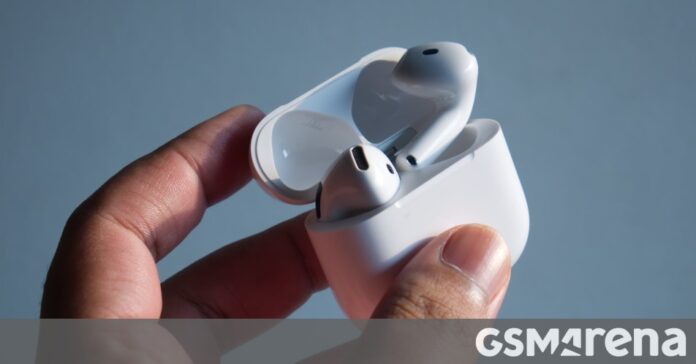

How do you keep a leading audio product fresh in a crowded market? That question has kept many tech firms up at night. Nearly ten years after its debut, Apple’s original AirPods design remains a cornerstone of the company’s success, evolving into one of the most profitable consumer‑electronics lines ever.
The 2026 AirPods 5 retain everything users love while upgrading every core attribute: stronger active noise cancellation, richer audio fidelity, longer battery endurance, and refined touch gestures.
Yet a split exists. Only the premium $149 variant receives the full suite of new features; the $129 base model omits several upgrades that would justify moving from AirPods 4. Which version should you choose, and is the AirPods 5 line worth buying at all? Let’s break it down.
Design and Comfort
Straight out of the gate, the standard AirPods 5 and the Wireless‑Charging‑Case edition share virtually identical aesthetics. Unless noted otherwise, the following observations apply to both models.
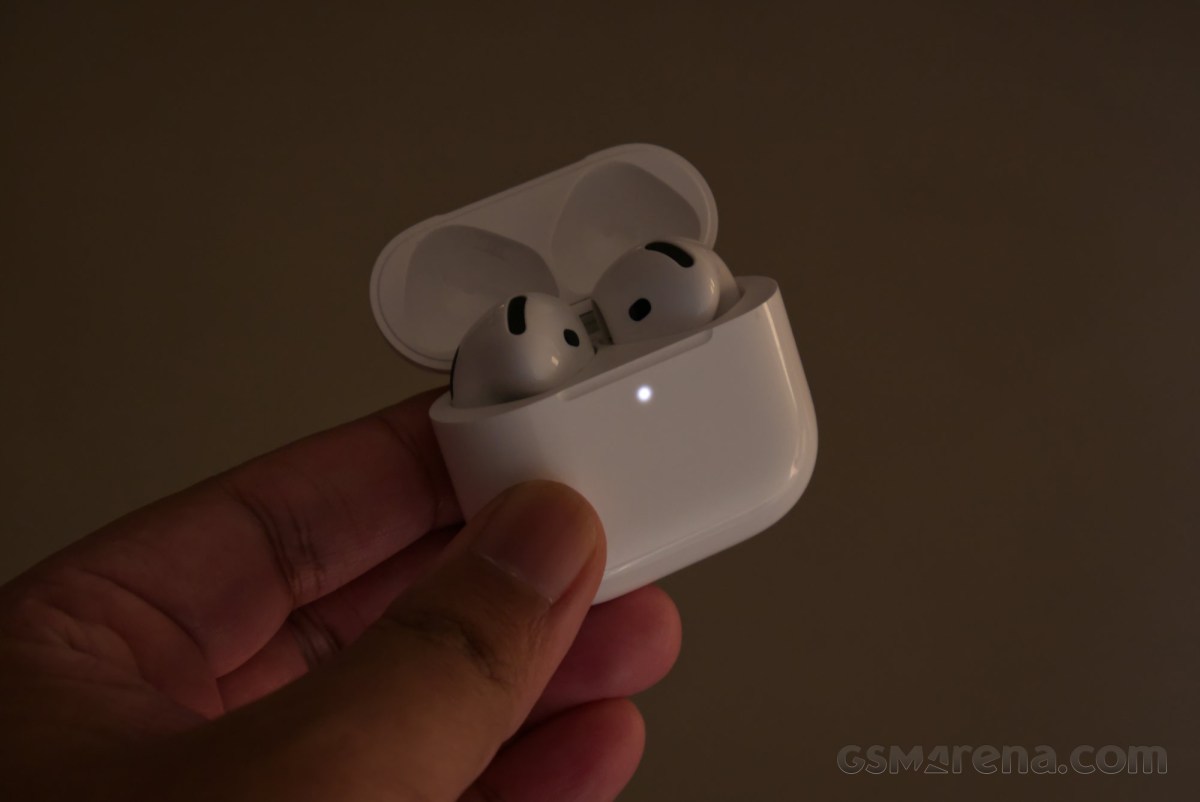
The AirPods 5 keep the exact silhouette introduced with the fourth‑generation buds. Earbuds and charging case match down to the millimetre, so if you’ve handled AirPods 4 you’ll recognize the form instantly.
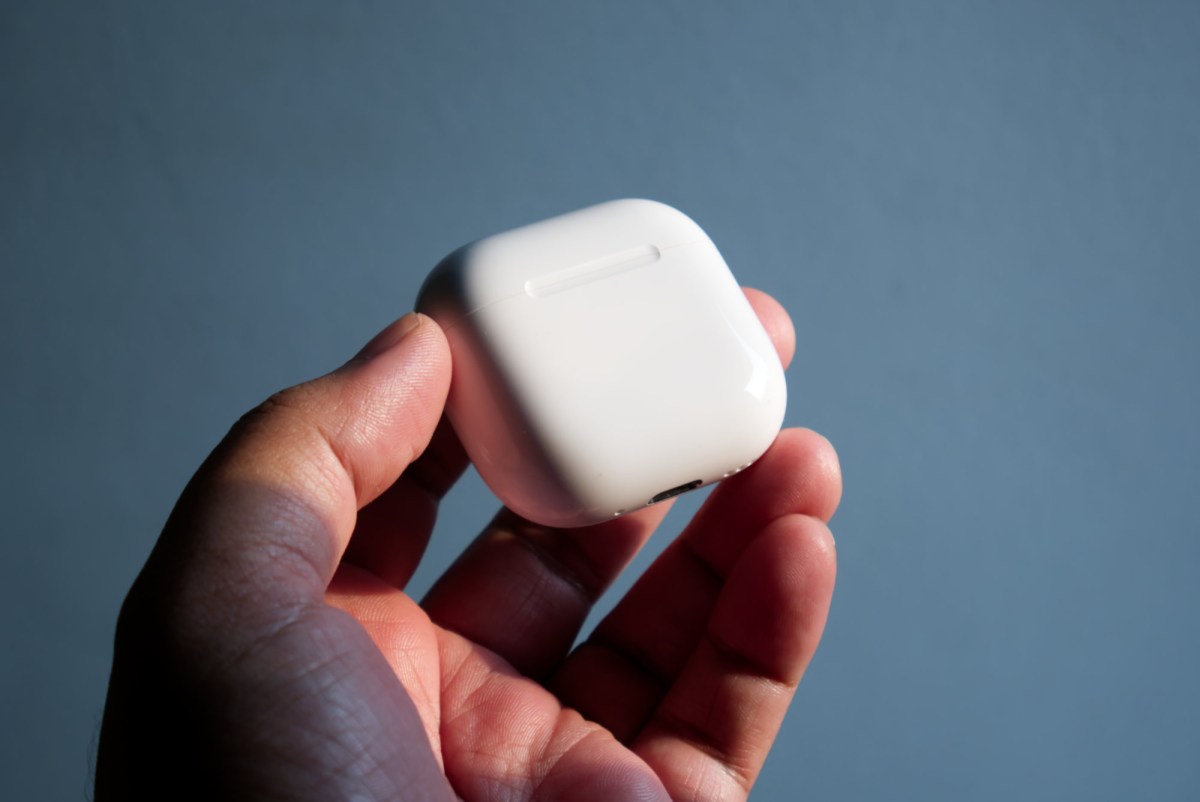
Even if you haven’t seen the previous model, the iconic open‑ear shape with its short, angled stems is unmistakable. The case remains petite, retaining the familiar dental‑floss hinge that flips open, all finished in Apple’s signature glossy white.
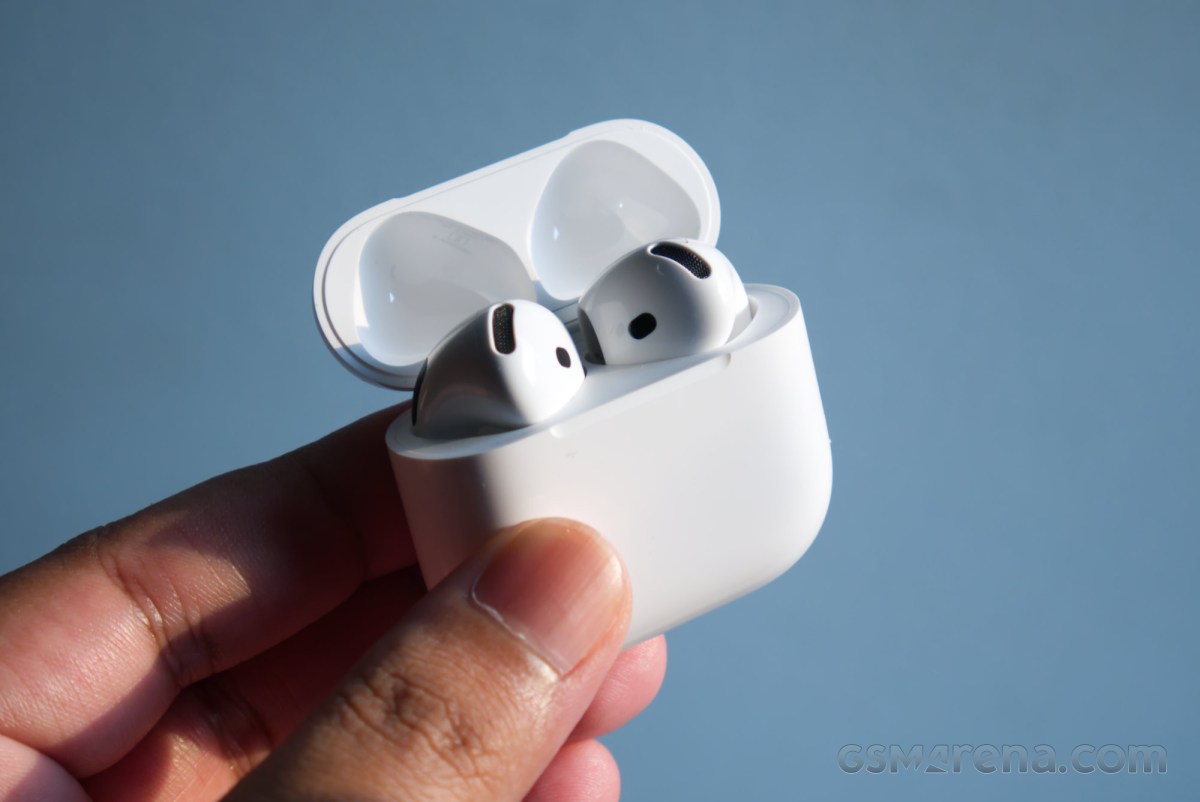
Both variants share the same dimensions; the wireless‑charging case is merely a few grams heavier.
Visually the design is clean, though it doesn’t excite me. I’d welcome a bolder twist-perhaps a translucent finish or a palette beyond stark white. Apple’s commitment to its recognizable silhouette means radical redesigns aren’t on the horizon.
Functionally, I have a gripe with the ergonomics. The tiny, slick nubs that protrude from the case make extracting the buds a frustrating exercise. The overall miniature build-especially the slender stems-makes insertion, removal, and everyday handling feel fiddly. I’ve dropped these earbuds more often than any other pair I’ve owned.
That leads to build quality, which is solid overall. The AirPods 5 carry an IP57 rating for dust and water resistance, covering both the earbuds and the charging case.
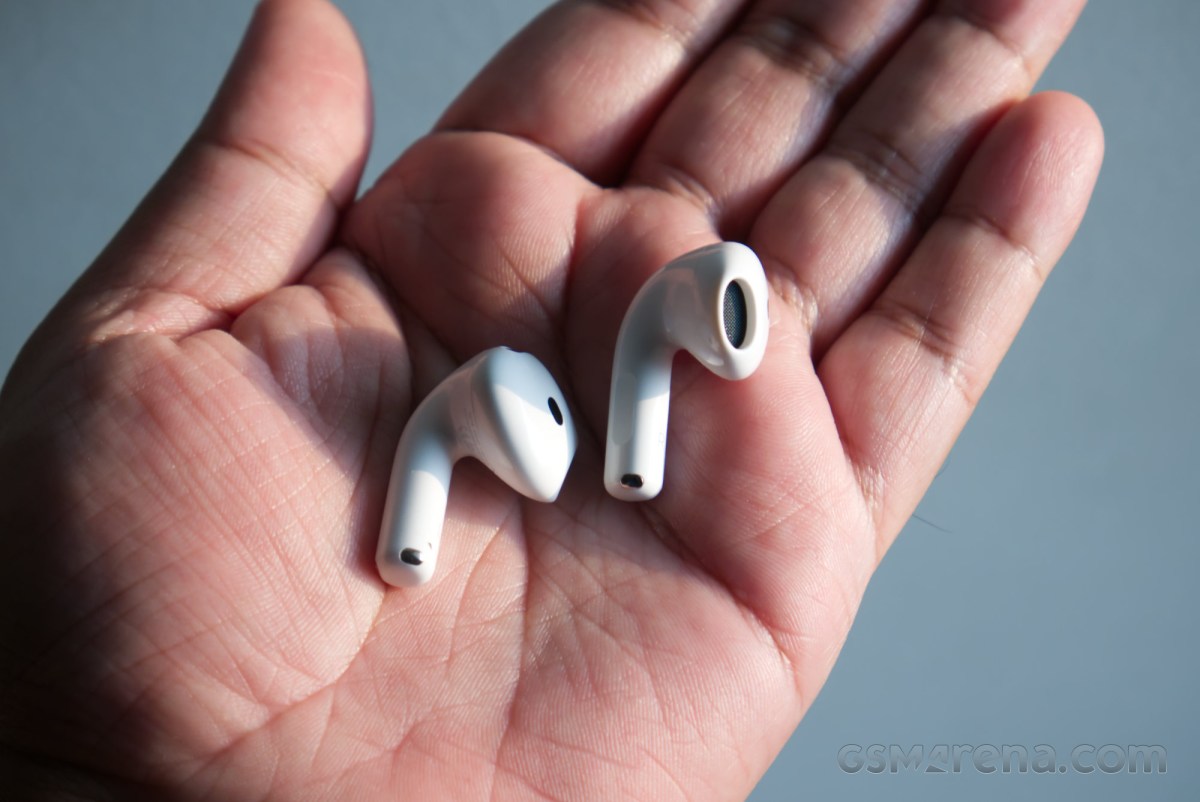
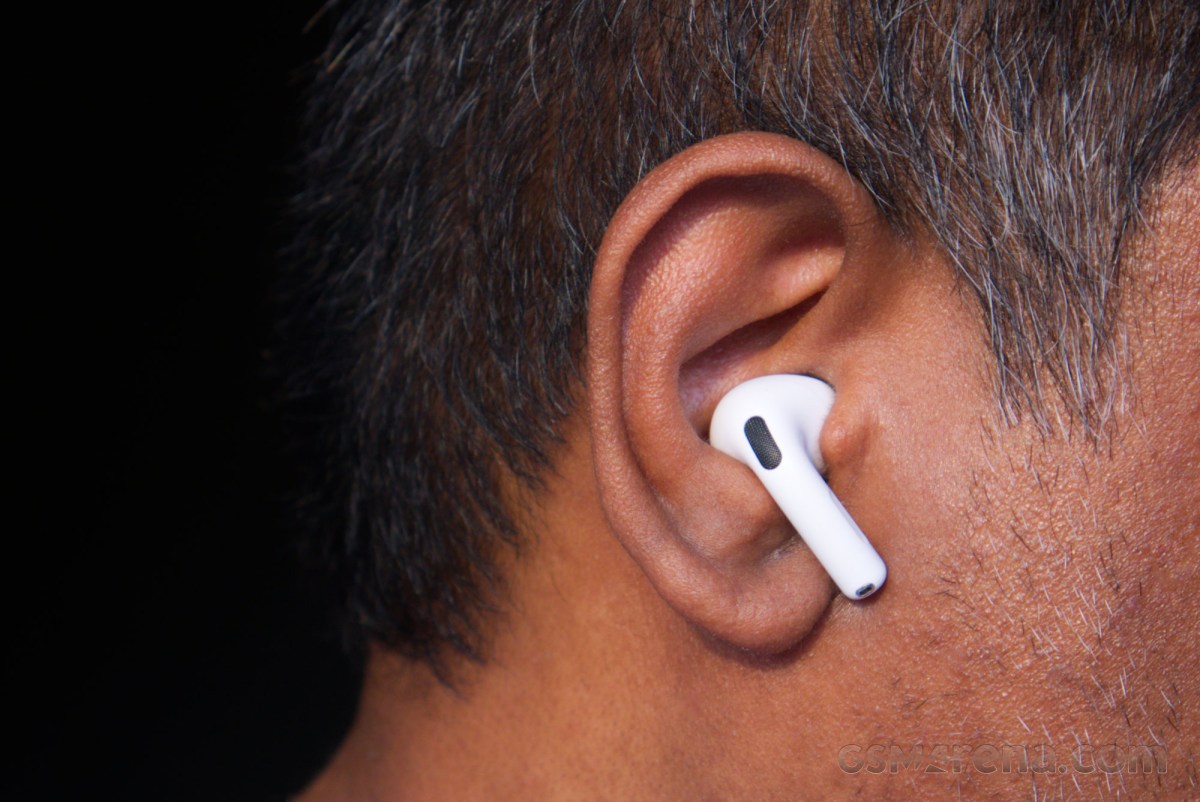
The open‑ear design continues to pose fit challenges. Unlike in‑ear models such as the AirPods Pro, which rely on uniform ear canals and interchangeable tips, the AirPods 5 must rest in the outer ear-a space that varies wildly among individuals.
Consequently, fit is a matter of personal anatomy. Small ears may find the buds unable to seat; larger ears may experience constant slippage.
Fortunately, my ears cradle the AirPods 5 like a glove, providing a secure (as secure as open‑ear can be) and comfortable feel. I can wear them for hours without noticing they’re there.
If you’re unsure about compatibility, visit an Apple Store and try them on. Because the shape mirrors the AirPods 4, any prior experience with that model gives you a reliable preview.
Features and Usability
Like its siblings, the AirPods 5 are tuned primarily for Apple ecosystems. Pairing with non‑Apple Bluetooth sources is possible, but many advanced functions may be limited or unavailable, potentially wasting time and money.
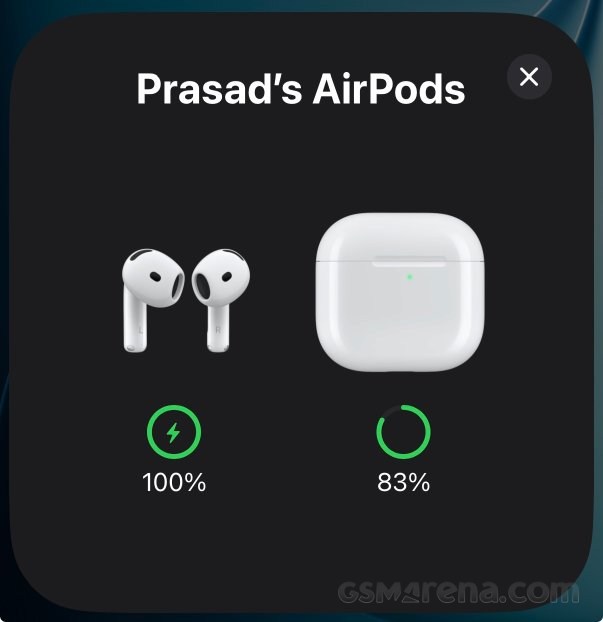
With Apple devices, the experience is seamless. Opening the case triggers the familiar one‑tap pairing prompt on your iPhone or iPad-a delight that debuted a decade ago and remains the industry benchmark. After pairing, a new entry appears in the Settings app, granting access to every feature. Quick toggles are also available via Control Center or the Bluetooth menu on a Mac.
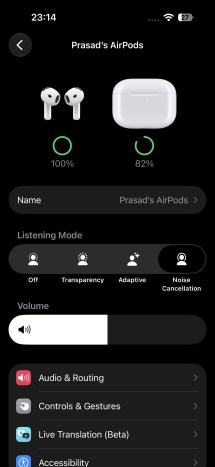
AirPods settings
Once linked to your Apple ID, the AirPods 5 automatically appear across all your Apple devices sharing that account. Start a podcast on your iPhone, switch to your Mac, and the audio hands‑off instantly-no need to re‑pair each gadget; the handoff occurs over your iCloud network.
The AirPods 5 inherit many capabilities from the pricier AirPods Pro 3 thanks to the shared Apple H2 chip. You get Spatial Audio with dynamic head tracking, which can be further refined using your iPhone’s camera for a personalized HRTF. Additional smarts include adaptive volume (adjusts loudness based on ambient noise), conversation awareness (lowers media when it detects speech), auto‑pause when you fall asleep, head‑gesture controls for calls or notifications, and Find My for locating misplaced buds.
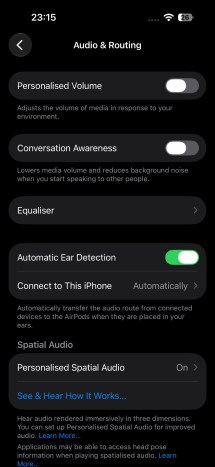
Audio settings
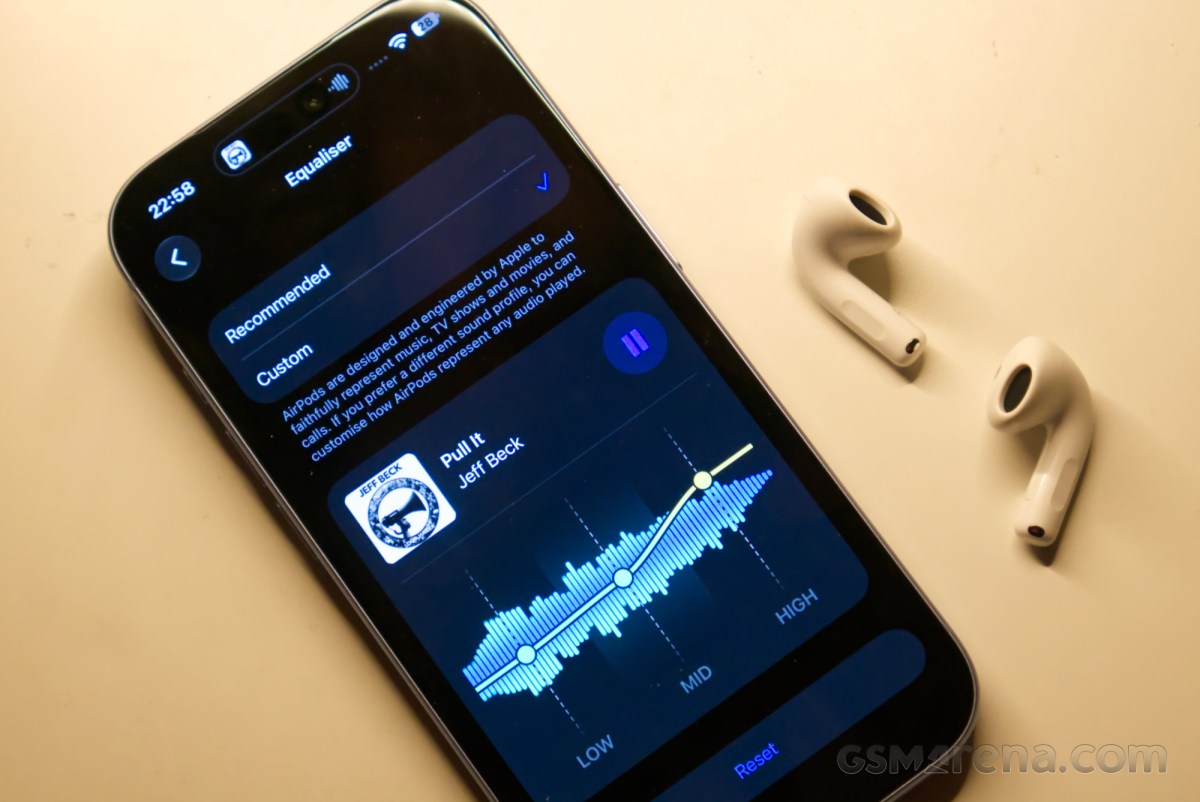
Apple recently introduced a modest equalizer for AirPods within iOS/iPadOS. It offers three‑band adjustment-basic but better than nothing. Lastly, Live Translation, still in beta, converts nearby spoken audio into your chosen language, supporting eleven tongues at launch.

Live Translation feature
Two features are exclusive to the Wireless‑Charging‑Case model. First, a swipe gesture along the stem adjusts volume-a capability absent from the standard $129 version, which only registers squeezes via its force sensor.
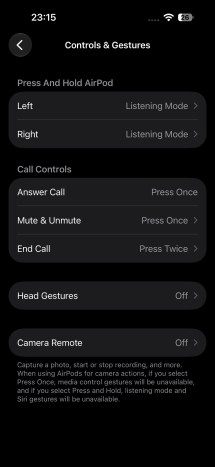
Gestures and other settings
Second, the case houses a built‑in speaker. Beyond the soft low‑battery chirps, it emits loud alerts when you trigger Find My, letting you locate the case and earbuds separately or together-making the locating tool far more practical.
Compared with the AirPods Pro 3, the AirPods 5 lack several advanced audio‑health tools (hearing tests, hearing‑aid modes, hearing protection) because the open‑ear form hinders accurate measurement. The Pro 3 also packs a heart‑rate sensor and an ultra‑wideband chip in its case for superior Find My precision-both missing here.
Performance
Audio Quality
The AirPods 5 sport a vented “custom high‑excursion Apple driver” paired with a “custom high‑dynamic‑range amplifier”-the extent of Apple’s disclosed audio hardware. Adaptive Audio continuously reshapes the sound profile to suit individual ear geometry and fit, ensuring consistent output. Audio is streamed over Bluetooth 5.3 using the AAC codec.
Given the open‑ear constraints, Apple achieves surprisingly listenable sound. Bass, traditionally weak in this layout, is bolstered by Adaptive Audio, which uses internal mics to map ear shape and boost low frequencies. You may notice a brief tonal shift when the buds first engage.
Is it effective? Partially. Moving enough air to reproduce deep sub‑bass remains impossible with an open design, so the lowest notes lack impact. The system compensates by amplifying mid‑ and upper‑mid bass, which can sound boomy at low volumes-a trait Apple uses to counteract perceived bass loss. At higher levels, the bass rolls off more sharply than on the AirPods Pro 3 to avoid driver distortion.
The midrange is restrained. Lower mids sit just beneath the enhanced bass, occasionally getting masked, while upper mids lack the presence found in competing models.
This carries into the treble: lower presence frequencies feel muted, mid‑treble is uneven, and the higher treble can turn sharp, creating audible peaks and troughs. Sibilants may appear harsh, while other details stay subdued.
Despite these quirks, the tuning can be pleasing-especially when you acknowledge the open‑ear limitation. The AirPods 5 rank among the best‑sounding open‑ear buds available; few alternatives match their clarity.
I mitigated my reservations by tweaking the bass and treble sliders in the new iOS 27 equalizer, achieving a more balanced profile.
Technically, the AirPods 5 deliver competent performance. While not ultra‑detailed or high‑resolution, they occasionally reveal subtle nuances that make you sit up and listen-something I hadn’t experienced with other open‑ear designs. The open‑ear pathway lets sound interact with your outer ear anatomy, improving imaging and soundstage.
Overall, the AirPods 5 exceed expectations for their form factor. That said, the in‑ear AirPods Pro 3 still deliver superior consistency and fidelity for most listeners. If you must stay with an open‑ear design for comfort or preference, the AirPods 5 are a solid choice.
Microphone
The AirPods 5 microphone array matches the high standard set by other H2‑equipped Apple accessories. In quiet settings, voice capture is natural and detailed, rivaling wired earbuds-though not quite “studio‑grade” as Apple’s marketing claims.
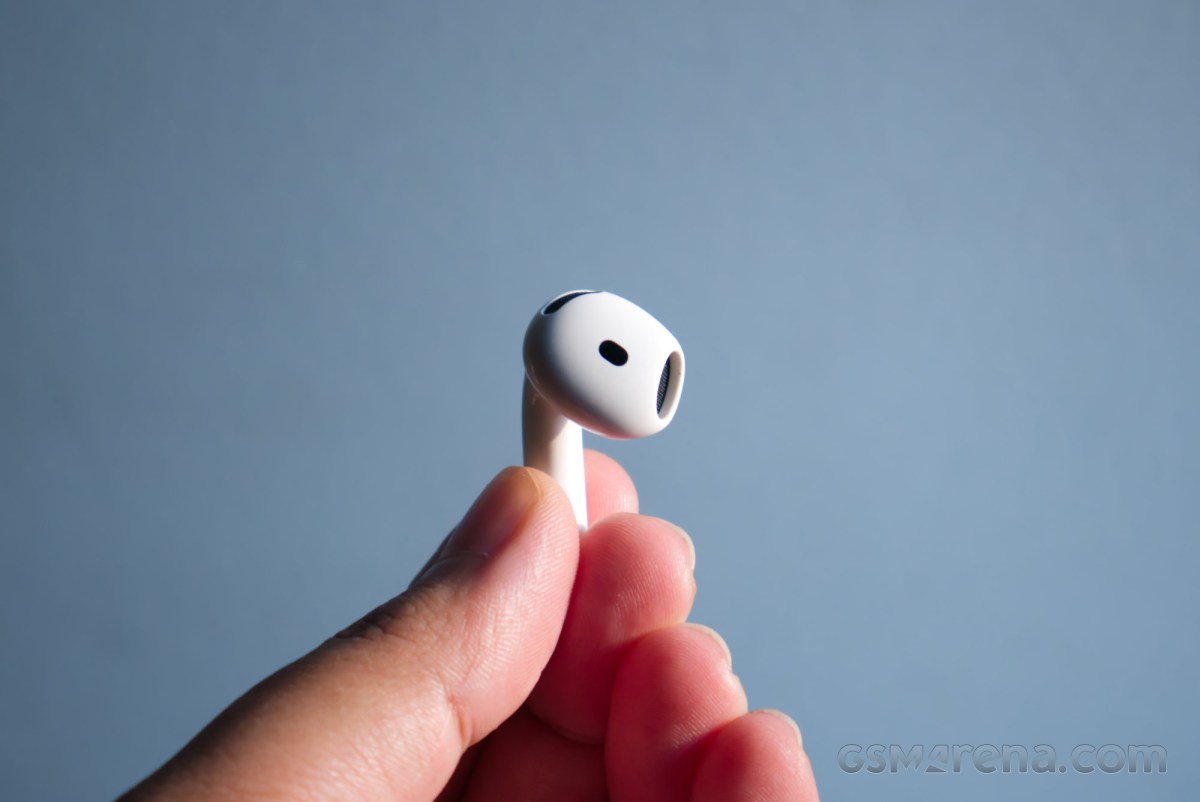
In noisy surroundings, the mics prioritize vocal clarity, which remains respectable, albeit a bit subdued. Background‑noise suppression is less aggressive than on many rivals that sacrifice some voice fidelity for stronger isolation. Consequently, you’ll still hear ambient chatter, traffic, or HVAC hum through the buds.
Noise Cancellation
The AirPods 5 offer active noise cancellation, a transparency mode, and an Adaptive setting that lets you dial in how much outside sound you wish to hear.

Noise cancellation performance is mixed. It’s impressive that any ANC functions at all with an open‑ear layout, yet effectiveness is hampered by the design’s inherent leaks and the algorithm’s quirks.
Typical ANC works by physically blocking high‑frequency sound and generating inverse waves to cancel low frequencies. With open earbuds, the ear canal isn’t fully sealed, so high‑frequency content leaks through, while the electronics can only attenuate the lower end.
To my ears, this results in a noticeable low‑frequency hum reduction but leaves mid‑ and high‑frequency noises-like running water, clinking objects, or the higher tones of fans and air conditioners-still audible. A faint residual hiss often lingers, seeming less like electronic artifact and more like untamed environmental sound.
While music or podcasts can mask this leakage, it becomes distracting during silence, making the buds unsuitable as impromptu earplugs on a flight.
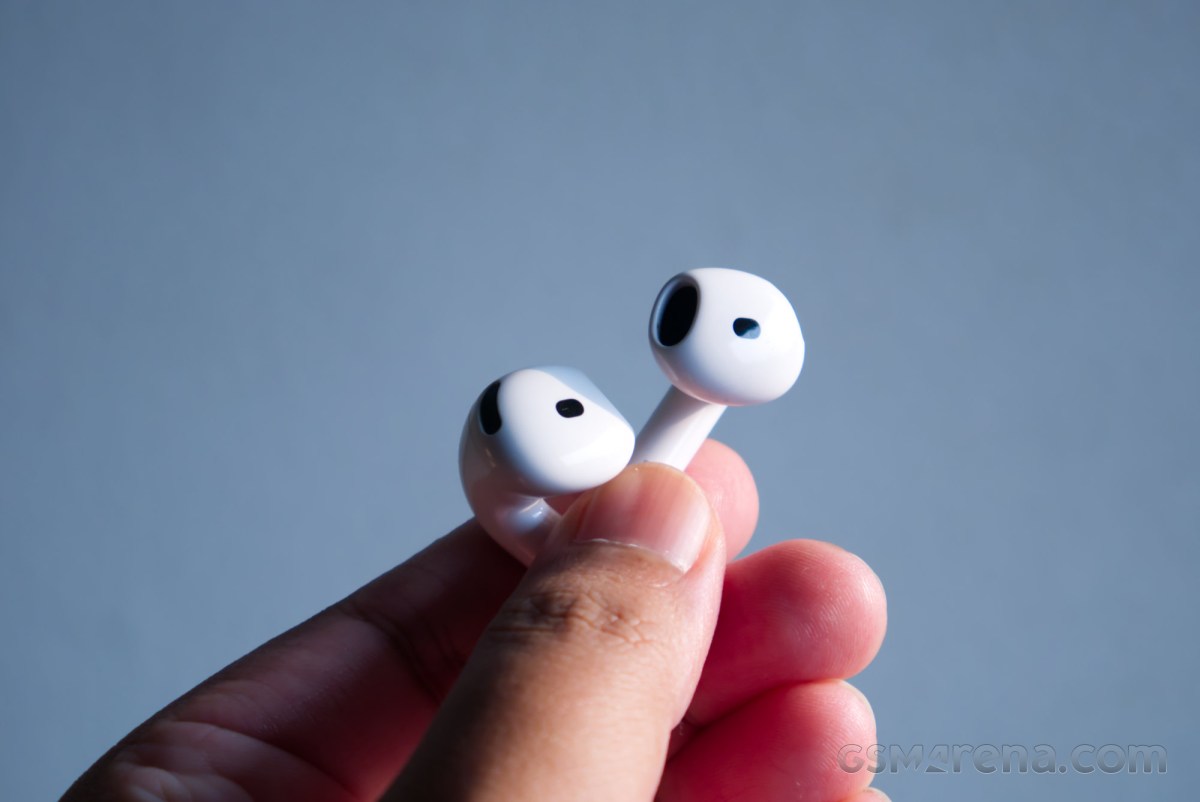
Minor quirks persist. Unlike the AirPods Pro 3, the AirPods 5 need a moment to calibrate ANC upon insertion; you may hear the left and right buds converge on different attenuation levels before syncing. Any movement or contact with the mic ports forces a recalibration, which can feel tedious though not debilitating.
The transparency mode feels somewhat redundant. Disabling ANC already lets you hear your surroundings clearly; the mode merely adds a touch of extra clarity. If you intend to keep transparency on for extended periods, simply turning ANC off saves battery and yields a similar result.
Battery Life
Apple advertises 4 hours of playback for the standard AirPods 5 and 5 hours for the Wireless‑Charging‑Case variant. Turning off ANC or transparency adds roughly two hours, yielding 6 hours (base) and 7 hours (premium) respectively. I tested the premium model.
With ANC enabled, I logged 5 hours 11 minutes of continuous playback. With ANC disabled, the runtime rose to 7 hours 29 minutes.
A five‑minute quick charge supplies about 1 hour 3 minutes of play with ANC on, and 1 hour 23 minutes with it off-consistent with Apple’s claim.
Real‑world endurance is modest. If you commute frequently, you may drain the buds before reaching your destination, especially if you start counting from the moment you leave home. The charge suffices for short trips to work or school and brief errands, but longer outings will test your patience-particularly with the base model’s 4‑hour limit.
The Wireless‑Charging‑Case supports standard Qi chargers and Apple’s MagSafe‑compatible pads (though the case itself lacks MagSafe alignment magnets). It works with any conventional wireless charging mat.
Which AirPods 5 Should You Buy?
Since the second‑generation AirPods, Apple’s optional wireless‑charging case has created a confusing split. Initially just a convenience feature, it became a de‑facto product differentiator with the AirPods 4, and the AirPods 5 amplify that divide.
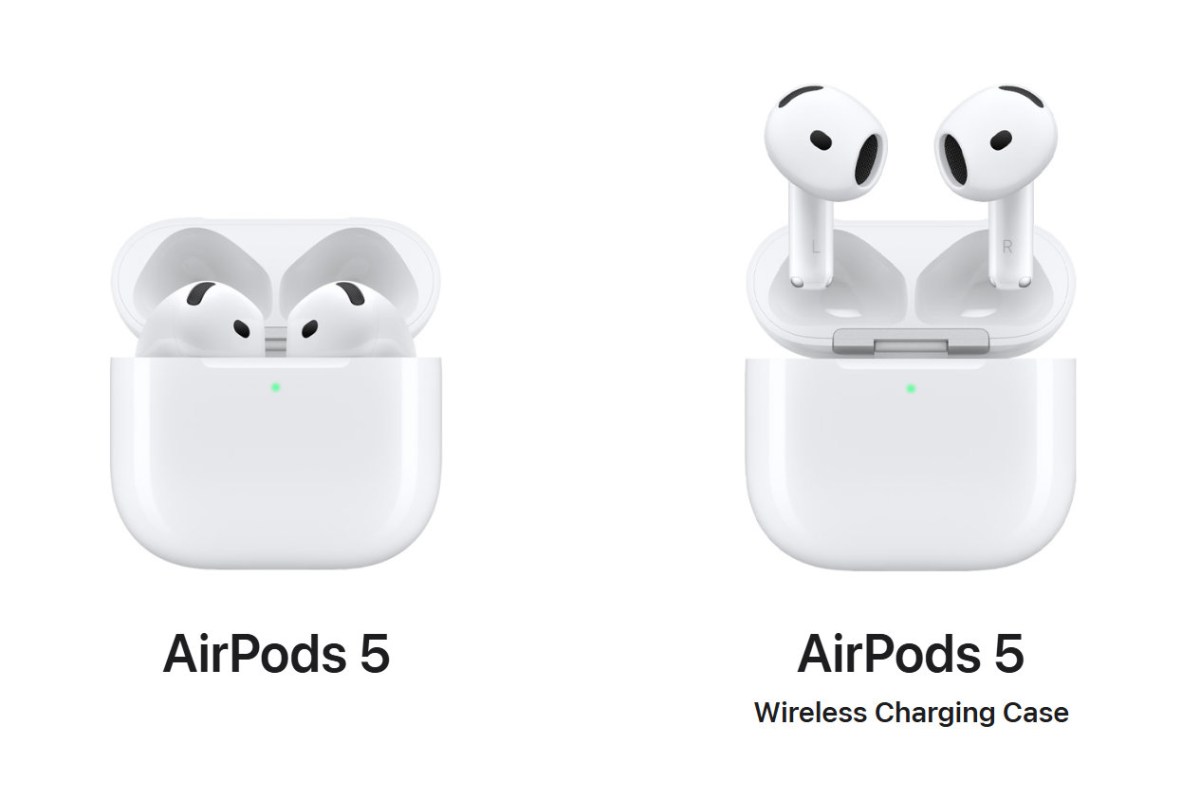
It’s odd to treat wireless charging as a make‑or‑break factor when it essentially flags a completely different internal configuration.
In reality, the $129 base model offers little value. Its reduced battery life (4 hours) is a noticeable drawback, and it lacks the swipe‑gesture volume control and the case‑mounted speaker. For just $20 more, the premium version adds those conveniences, making the cheaper variant feel like a stripped‑down afterthought. Effectively, treat the AirPods 5 as a $149 product and disregard the lower‑priced option.
Conclusion
Ten years after the original launch, AirPods remain a cultural staple despite a sea of lower‑cost rivals. Some users favor the open‑ear aesthetic for its unobtrusive feel; others simply want the most affordable product bearing the AirPods badge.
Apple has kept the line relevant by steadily injecting modern features. The AirPods 5 deliver the current suite of conveniences-spatial audio, adaptive EQ, head‑gesture controls, and reliable device handoff-without feeling overpriced relative to their performance. In many ways they present better value than the AirPods Pro 3, especially when you consider that the Pro 3’s advanced tech sells for roughly $100 more.
The most tangible limitation is battery endurance; the 4‑ to 5‑hour window can feel restrictive for heavy users.
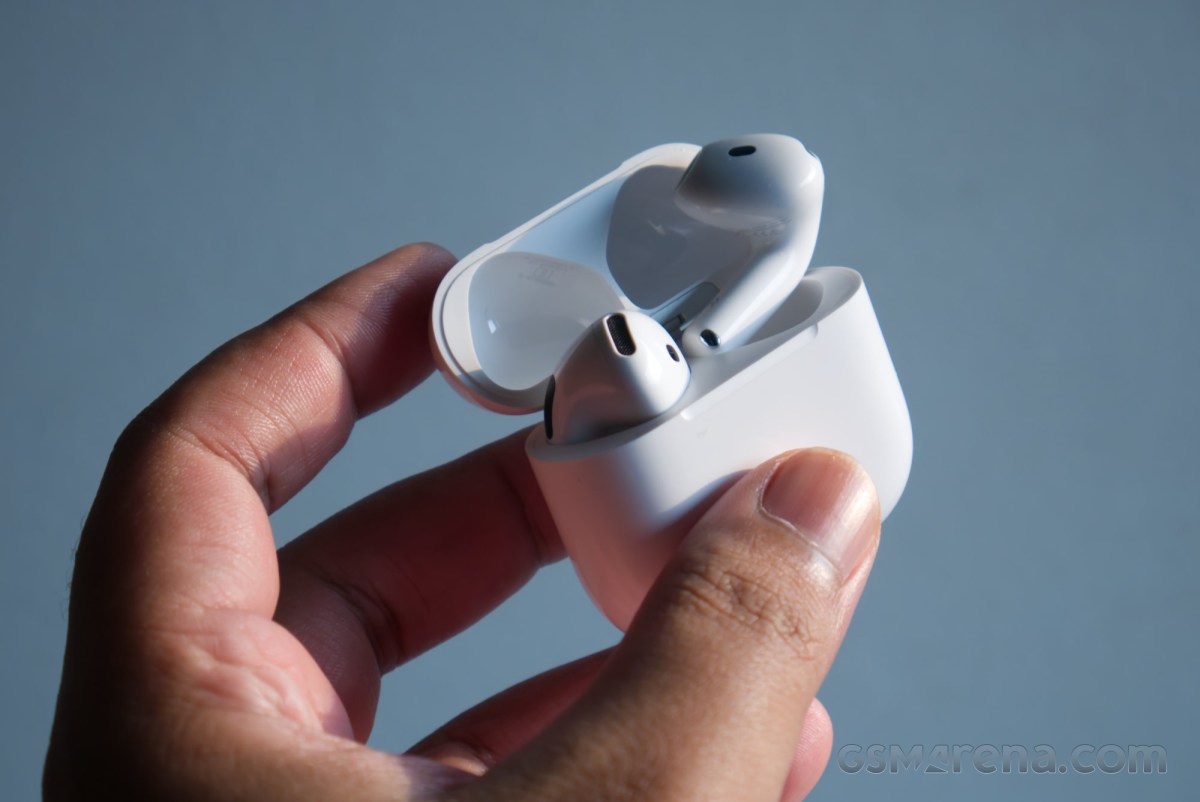
Most other drawbacks stem from the open‑ear design itself: inconsistent fit, variable comfort, and occasional shortcomings in sound quality and noise cancellation. These are intrinsic to the form factor, explaining why in‑ear models have dominated the market.
Apple’s engineers have refined the experience as much as physics allows, but achieving a perfect seal remains elusive-akin to trying to make a square wheel roll as smoothly as a round one that’s already available for a lower price.
Nevertheless, if you appreciate the open‑ear feel or enjoy saving that extra $100, the AirPods 5 represent one of the finest options today.


