
Wisdom Wired: Unlocking Business Growth Secrets from Top Podcasts
What separates the fleeting successes from the enduring titans like Airtable, OpenAI, or companies meticulously built through hundreds of acquisitions? Is it exceptional strategy, relentless optimism, operational alchemy, or something else entirely? In today’s hyper-competitive landscape, navigating business growth successfully demands more than just a good idea; it requires the ability to scale effectively, adapt rapidly, and integrate transformative technologies like artificial intelligence. Fortunately, a wealth of practical wisdom is shared openly by the leaders who have already blazed these trails, distilled weekly in insightful business podcasts. These episodes offer a direct line to the mindset, tactics, and strategic pivots fueling sustainable business success.
The Mosaic of Growth: Acquisition, Mindset, and Cultural Alchemy
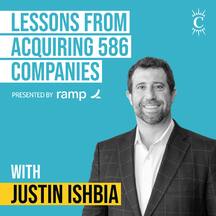
Building a major enterprise rarely happens linearly. Justin Ishbia, featured on Invest Like the Best, embodies an unconventional path: acquiring 586 companies. This staggering feat suggests deep expertise beyond mere deal-making. Key principles emerge:
- Discipline in the Chaotic Hunt: Serial acquirers operate with razor-sharp focus. They aren’t chasing every opportunity but relentlessly pursuing targets aligning perfectly with predefined strategic goals and cultural fit. Due diligence becomes a refined, efficient science.
- Integration as the True Crucible: Signing the deal is merely step one. The monumental challenge lies in assimilation. Successful integrators prioritize:
- Cultural Sensitivity: Respecting acquired teams while gradually weaving in core values.
- Operational Harmony: Standardizing systems without stifling unique strengths.
- Retention Strategies: Ensuring key talent sees a compelling future within the larger entity.
- Compound Advantage: Each successful acquisition should ideally strengthen the platform, creating a compounding effect enhancing purchasing power, market reach, capabilities, and reputation, making the next valuable acquisition slightly easier. The Harvard Business Review frequently examines themes like the “merger paradox” and integration risks, highlighting how many mergers fail to deliver value – making Ishbia’s scale even more remarkable.
Meanwhile, Grit dives deep into the intangible driver behind such relentless ambition: the mindset of the leader. Exploring “The World’s Most Optimistic CEO” reveals how visionary leadership intertwines with realistic strategies:
- Optimism as Fuel, Not Fantasy: Distinguish between baseless cheerleading and the informed optimism that sees possibility through challenges. This leader’s optimism is grounded in data, a strong team, and a belief in problem-solving capabilities, making it infectious and morale-boosting.
- Resilience Engineered: Building world-class organizations is fraught with setbacks. Optimistic leaders reframe failures as learning data, maintaining momentum and guiding teams through “valleys of despair” to the next peak. Psychological research into resilience, such as work on learned optimism, underpins this crucial leadership trait.
- Future-Casting Inspiration: Cutting through daily noise requires painting a compelling picture of the future. An optimistic leader effectively articulates a vision that resonates emotionally, motivating teams by demonstrating the meaningful impact of their collective effort, a core tenet of transformational leadership theory.
Navigating the Tech Tornado: AI Adoption & Ecosystem Shifts
Technology isn’t merely a tool; it’s a landscape-shifting force demanding organizational agility. Howie Liu, Airtable’s co-founder and CEO, exemplifies this on Lenny’s Podcast by describing a “whole-org restructuring for AI.” This speaks volumes:
- Beyond Feature Bolting: Adding AI as a sidebar won’t cut it. True integration means re-evaluating core workflows, product architecture, and even team structures. AI capabilities fundamentally alter how users interact with platforms and what’s possible.
- Strategic Alignment:
- Empowerment Loop: AI features must demonstrably save time, boost productivity, or unlock new insights for users – enhancing the core value proposition.
- Data Leverage: AI thrives on data. Platforms need rich, well-structured data pipelines & governance to train effective models.
- Skillset Evolution: Reskilling and strategic hiring become critical as organizational needs pivot towards data science, ML engineering, and prompt engineering expertise, existing structures transformed.
- Ethics as Infrastructure: As AI features become core, robust ethical frameworks, bias mitigation strategies, and transparency become non-negotiable pillars of product development, not afterthoughts. Li’s restructuring highlights the existential necessity of building an “AI-first” company.
Concurrently, listeners gain crucial context for these aggressive pivots from tech news analysis. The Big Technology Podcast, dissecting “Did OpenAI Break ChatGPT?, Apple’s New iPhones, Saving Intel,” acts as an essential radar:
| Tech News Pulse: Why Tracking Shifts is Non-Negotiable |
|---|
| Platform Updates (e.g., ChatGPT Changes) |
| Directly impacts user experience & reliability perception. Tools becoming ‘worse’ erode trust and adoption. |
| Actionable Insight: Monitor updates rigorously; user tolerance shifts impact feature adoption roadmaps. |
John Gruber’s The Talk Show adds granular texture to this ecosystem analysis. His “director’s commentary track for Daring Fireball,” including deep dives like “‘Ersatz PopSocket'”, provides:
- Nuanced Ecosystem Understanding: Discussions on design philosophy (like controversial ergonomic choices on new gadgets), platform governance decisions (App Store policies), or industry controversies offer critical context for product leaders navigating the Apple/Google ecosystems.
- Connected Dots: Analyzing how a single hardware feature (e.g., Dynamic Island) cascades into software UI changes and third-party accessory design reveals the intricate interdependencies defining mass-market tech adoption and user expectations.
From Garage to Giant: The Founder’s Imprint
The seeds of giants like Airtable or Casetext (acquired by Thomson Reuters for $650M in an AI-fueled deal) are planted by founders. The Social Radars, offering a “fly on the wall” with Y Combinator’s Jessica Livingston and Carolynn Levy talking to Jake Heller (Casetext CEO), delivers unvarnished founder truths:
- Vision to Execution Chasm: Most founders start passionate about solving a specific problem. Heller’s journey epitomizes the transformation needed: evolving the original concept (“SmartCite”) to meet market needs revealed “in the trenches,” pivoting towards CoCounsel (powered by OpenAI’s GPT-4) tackling legal research and discovery – embracing AI not just as a feature, but as the core, transformative engine.
- Scaling the Cultural Core: As Y Combinator knows intimately, initial success brings scaling challenges: hiring velocity diluting culture, decision-making bottlenecks replacing founder agility, communication silos emerging. Maintaining the original magic requires intentional design – clear values codified, consistent reinforcement, and leadership embodiment. Early YC advice often emphasizes “do things that don’t scale” initially, but scaling the right culture is paramount later. Resources like the Y Combinator Startup Library offer deep dives into these perennial challenges.
- Agility in the Storm: Market shifts, tech disruptions (like generative AI bursting onto the legal tech scene), and competitive threats demand rapid adaptation. Founders must foster organizational reflexes for swift pivoting while maintaining strategic direction. Heller’s Casetext story showcases this perfectly: embracing revolutionary AI technology early to redefine legal workflows was a significant strategic pivot executed at speed.
The Convergence: Wires of Wisdom Connect
These podcast fragments paint a holistic picture. Growth isn’t siloed – it’s a complex system. An optimistic CEO champions a vision (Grit) that guides a strategic acquisition spree (Invest Like the Best). Simultaneously, the competitive pressure highlighted by tech news cycles (Big Technology Podcast) forces companies to re-architect for AI (Lenny’s Podcast), demanding an agile, founder-like mindset throughout the organization (The Social Radars) to execute effectively. Even seemingly tangential insights (The Talk Show) inform ecosystem navigation crucial for user adoption.
The universal threads? Agility, both strategic and operational. Ruthless clarity on core value and how new tech (like AI) fundamentally enhances it. Unwavering optimism paired with pragmatic execution. And the profound understanding that success stems from the deeply human elements – culture, talent, mindset, and leadership – brilliantly amplified by strategic leverage of technology.
The Future Is Built with Shared Insight
The lessons for aspiring builders and seasoned operators are immense. While the contexts vary – hyper-growth SaaS, legal tech disruption, massive roll-up strategies – the core principles resonate: embrace foundational mindset shifts, architect your organization for the next technological wave, not the last, learn voraciously from the journeys of those ahead, and build cultural and operational foundations robust enough to weather the pace of change while adaptive enough to seize fleeting opportunities. The path to extraordinary business growth is multifaceted, demanding equal parts strategic intelligence, human understanding, and technological fluency. So, which podcast wisdom sparks your next strategic leap?


