
The Silent Death of Cinema: How Streaming is Remaking Movies in Its Own Image
Have you ever paused a film to check notifications, start dinner, or scroll Instagram? If so, you’re part of a seismic cultural shift reshaping cinematic storytelling. Once revered as collective events demanding undivided attention, streaming services are subtly reducing films to disposable background noise. As viewing habits fracture and the economics of digital platforms dominate, cinema faces existential threats that go beyond the theater—touching everything from artistic ambition to whether future generations will even see today’s films.
When Movies Became “Content”: The Great Dilution
Historically, cinema was destination viewing. The darkened theater forced focus; narratives demanded emotional investment that lingered long after credits rolled. But streaming platforms intentionally dismantle this ritual. Netflix, Prime Video, and Disney+ don’t distinguish between a documentary, sitcom, or blockbuster—it’s all “content” in an infinite scroll. This reshapes both consumption and production:
- Designed for Distraction: Films on streaming platforms increasingly use simpler plots, repetitive arcs, and faster cuts (studies show average shot lengths shrinking source. Why? To retain viewers multitasking on couches. Unlike The Godfather’s deliberate pacing, modern originals favor digestible beats compatible with phone-checking intervals.
- Lost Distinction: Direct-to-streaming releases—like Netflix’s The Kissing Booth or Apple TV+’s The Beanie Bubble—often echo the aesthetic of 1990s direct-to-video films. Their visual language prioritizes intimacy over immersion, with tighter frames and dialogue-driven scenes suited for living rooms.
Algorithm Auteurs and the Homogenization of Hollywood
The streaming economy thrives on retention metrics, not artistic milestones. Platforms need endless new titles to prevent subscription fatigue. This breeds two extremes:
- Micro-budget rush jobs (e.g., Netflix’s Bird Box Barcelona) filmed quickly to fill gaps.
- $200M “Event Films” like Red Notice, engineered for broad, risk-averse appeal.
The casualty? Mid-budget dramas (Jerry Maguire, The Social Network) that balanced substance and spectacle. By 2023, mid-budget productions fell by over 40% from 2000 levels (MPAA).
The Algorithm Effect in Action:
| Film | Budget | Critic Score | Legacy Notes |
|——|——–|————–|————–|
| Rebel Moon (Netflix) | $166M | 23% Rotten Tomatoes | Criticized as “CGI wallpaper” with derivative worldbuilding |
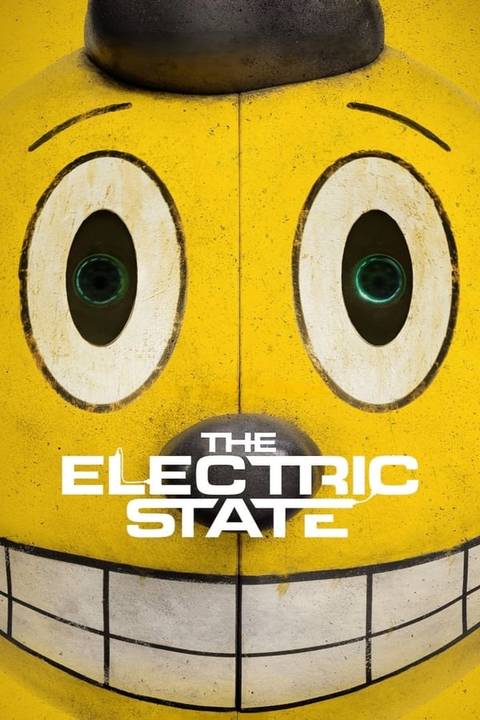
| The Electric State (2025) | $200M+ | TBD | Early footage panned as “AI-generated aesthetics” lacking depth |
Films are increasingly test-screened via engagement algorithms, prioritizing watch-time completion over narrative impact.
Digital Obscurity: Our Era’s Silent Film Tragedy
Over 75% of silent films are lost forever due to neglect and flammable nitrate film (Library of Congress). Tragically, streaming exclusives risk repeating this tragedy:
- No Physical Copies: Nearly 80% of streaming originals (Netflix, Max) never receive Blu-ray/digital purchases. Preservation relies solely on corporate servers.
- Editing Without Consent: Films can be altered or removed anytime. Example: HBO Max infamously purged completed films (e.g., Batgirl) for tax breaks—no viewer recourse.
Storage Method | Risk of Loss | Public Access | Notable Losses
Physical Media (DVD/VHS) | Low (millions of backups) | Permanent ownership | Minimal post-1990
Streaming Servers | High (file corruption, licensing) | At platform’s whim | Batgirl, Netflix originals like The Baby-Sitters Club
Unlike physical collectors who preserved rare films, audiences now “license” ephemeral access. When a service shuts down (like FilmStruck in 2018), its films potentially vanish.
The Theater’s Twilight: More Than Pricey Popcorn?
Cinemas survive—but increasingly as niche venues. Event films (Avatar 2, Dune: Part Two) leverage IMAX and 3D to justify theater trips, while indie films thrive in boutique chains. Yet data reveals structural decline:
- Post-pandemic, the domestic box office remains 20% below 2019 peaks despite inflation (Box Office Pro).
- Streaming windows shrank from 90 days (pre-2020) to 17–45 days for most blockbusters.
Why choose your couch? Modern OLED/4K systems match theater visuals, while avoiding crowds, costs, and commutes. For films lacking visual spectacle—like Godzilla Minus One (digital release: $20)—the calculus tilts homeward. This threatens theaters’ cultural role: communal awe.
Long-Term Consequences of Digital Dominance
The implications cascade beyond business models:
- Creative Decline: Writers/directors adapt stories to algorithms. Linear plots, explicit dialogue, and low-ambiguity endings increase engagement metrics.
- Cultural Fragmentation: Pre-streaming hits (Titanic, Jurassic Park) commanded global conversation. Now, countless streaming niches fracture pop culture.
- Economic Volatility: Studios leverage IP universes (Marvel, DC) to offset risk. Original concepts get relegated to micro-budget experiments.
A Fork in the Reel: Will Cinema Adapt or Vanish?
The path forward is complex. Theaters must embrace experiential formats like ScreenX or Alamo Draftee’s themed events to lure audiences. Filmmakers might bifurcate: art-house passion projects versus streaming “content.” Preservationists urge laws mandating physical backups for digital releases. As screens replace silver screens, we face sobering questions: Will tomorrow’s classics survive? Can art thrive when designed by data? The curtain hasn’t fallen—but it’s fraying at the edges. What do you think? Is cinema’s evolution inevitable progress or cultural decay? Share your take below!


