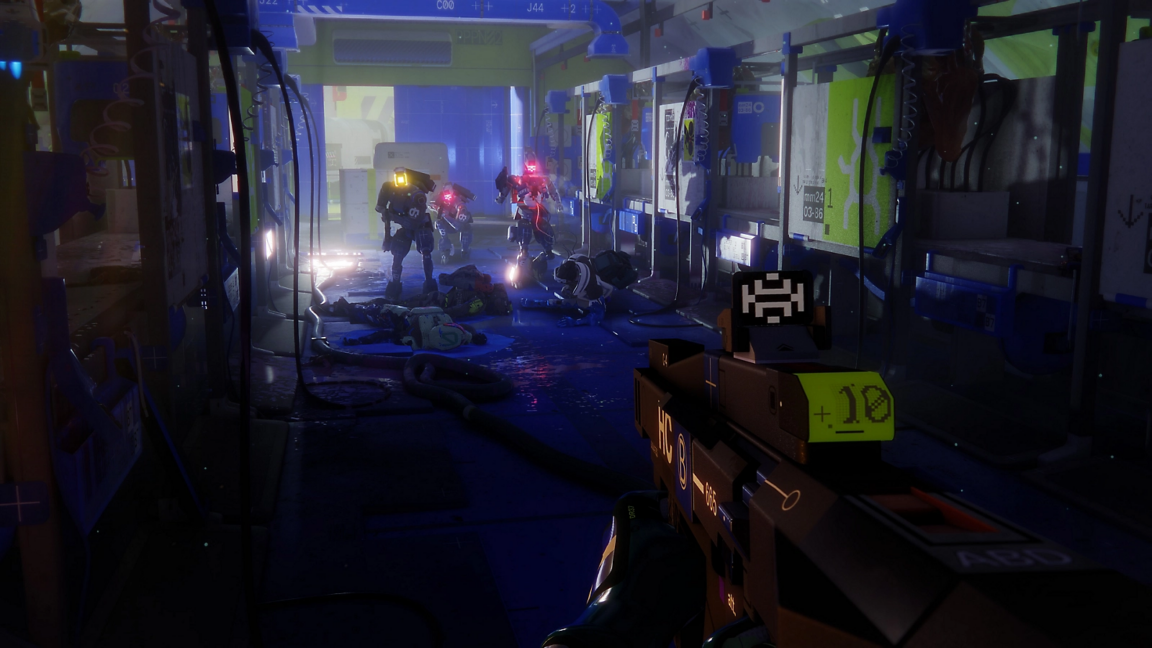

The Marathon Revival Hits Its Stride: New March Date Set After Rewind
After seven months of radio silence, Bungie silenced doubters with a concrete release date for its Marathon reboot: March 5. This bombshell caps a rocky journey that began with a high-profile delay following a poorly received Alpha test—now replaced by pre-order trailers across PlayStation Blog, Steam, and Xbox platforms. Priced at $40–$60, this shooter diverges sharply from Destiny 2’s free-to-play model and demolishes nostalgic expectations of its ’90s predecessor. Will Bungie’s gamble on “extraction chaos” revive this sleeping giant?
Rewriting the Marathon Legacy: From Past to Present
The original Marathon trilogy (1994–1996) was a landmark sci-fi shooter developed exclusively for Macintosh, drawing inspiration from Doom with its claustrophobic corridors and single-player focus[^1]. Today’s reboot, however, comprehensively rejects that formula. As Christopher Barrett, game director, admitted: “We’re not revisiting the past; we’re carving a new future.”
The seismic shift? PvPvE extraction gameplay replaces narrative campaigns. Players now infiltrate hostile zones (“Cyads”) in squads of three, scavenging gear while simultaneously dodging AI enemies and rival players[^2]. A meta-progression system tracks stolen artifacts across missions—a stark departure from 1994’s lone marine battling alien invasions. This design positions the new Marathon alongside genre disruptors like Hunt: Showdown and Escape from Tarkov.
Unpacking Extraction Shooter Mechanics: Why Risk Dominates Gameplay
Modern extraction shooters thrive on tension: high-risk combat where death means losing loot. Bungie amplifies this via three pillars:
- Hybrid Combat: Zones pit teams against adaptable synthetic foes (PvE) as other players (PvP) hunt them mid-mission
- Environmental Storytelling: Clues about lost Martian colonies (“Lost Cities”) emerge via discoverable logs, replacing cutscenes[^3]
- Persistent Rewards: Extract valuable “Artifacts” to unlock weapon mods and cosmetic customizers visible game-wide[^4]
This fusion caters to niche audiences—industry reports confirm extraction shooters drove 12% of multiplayer funding in 2025[^5]. Yet Bungie’s key twist is scalability: smaller squads allow tactical improvisation absent in large-scale battlegrounds (Destiny‘s Crucible). Early builds struggled with chaotic PvPvE balance, delaying release during Alpha revisions aimed at smoothing scenarios where AI predators collide with player ambushes.
Pricing Strategy Breakdown: $40 Entry vs. Destiny’s F2P Model
The reboot’s monetization strategy echoes titles like Helldivers 2, anchoring $40 Standard and $60 Deluxe Editions:
| Edition | Price | Contents | Competition Comparison |
|---|---|---|---|
| Standard | $40 | Base Game | Near Helldivers 2 ($40) |
| Deluxe | $60 | Instant cosmetics + 1000 Skydarks | Aligns Arc Raiders: Ultimate |
Notably, Destiny 2 went free-to-play in 2019, relying on expansions/microtransactions—a model generating $200M annually. Marathon deliberately sidesteps this via upfront payment, echoing Embark’s Arc Raiders. That gamble recently yielded 12M sales in 12 weeks[^6], signaling demand. Bungie’s pitch positions paid access as curation: ensuring communities prioritize invested players over transient freeloaders.
Alpha To March: The Path Forward After Testing Turbulence
Bungie confirmed the September 2025 delay stemmed from playtesters criticizing Alpha’s lack of “fast-paced PvP moments.” Insiders describe factions evolving erratically under combined PvE/PVP strain, forcing hitbox reworks and AI behavior patches. Producer Tatiana Delgado noted: “Quiet zones broke tension rhythmically”—a flaw addressed by procedural modifiers spawning sudden firefights[^7].
Seven months later, gameplay reveals emphasize kinetic skirmishes. Recent teasers spotlight:
- Vector enemies shifting from ranged to melee attacks when teams collide
- Environmental traps detonated to obliterate pursuing rival trios
- Squad momentum systems rewarding coordinated extracts under fire[^8]
Feedback integration mirrors The Finals’ overhaul—Embark Studios rebuilt netcode weeks before launch to similar acclaim[^9].
Why This Marathon Race Matters Now
For Sony, this marks a strategic foothold in Xbox-dominant extraction genres (Call of Duty: DMZ). PC/Xbox parity ensures access rivaling Helldivers 2‘s ecosystem spread[^10]. More critically, Bungie needs redemption after layoffs and Destiny 2 revenue dips signaled urgency for a hit.
Pre-release forecasts: Analysts project 3-5 million sales by June—bolstered by PS5 exclusivity perks and Xbox Game Pass absence. Success hinges on reviewer trust: Will Marathon’s experimental blend eclipse legacy expectations?
Your Starter’s Pistol: With under eight months until liftoff, extraction veterans and Marathon loyalists await validation. Brilliance or backlash? Let’s hear your predictions—debate below!
[^1]: The classic Marathon games on Wikipedia
[^2]: Bungie’s official gameplay description via PlayStation Blog
[^3]: A Look at Extraction Shooter Mechanics
[^4]: Game Director Interview: GamesRadar, Dec 2025
[^5]: Market Analysis: Extraction Shooters Q1-Q3 2025
[^6]: Embark Studios: Arc Raiders sales figures, Q1 2026 financial disclosure
[^7]: Production Deep Dive: IGN Live Jan 2026
[^8]: Technical showcase: Digital Foundry Commentary
[^9]: PC Gamer: The Finals’ Development Retrospective
[^10]: Comparison chart: Helldivers 2 cross-platform stats via Steam Tracker


