
Is California Leading the Charge in AI Governance? Anthropic Endorses SB 53
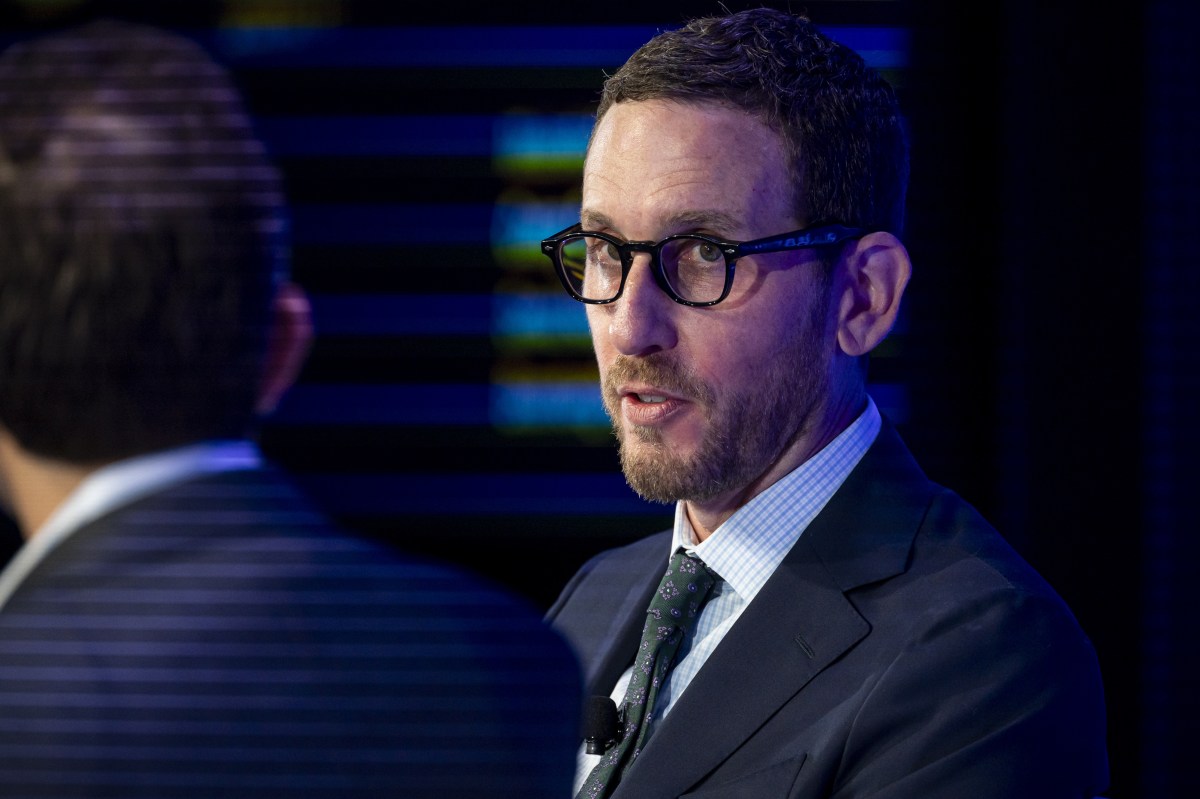
Could unchecked advancements in artificial intelligence lead to catastrophic consequences? As AI models become increasingly powerful, the debate surrounding responsible development and deployment intensifies. California’s Senate Bill 53 (SB 53), championed by Senator Scott Wiener, aims to address this concern by imposing transparency requirements on the largest AI model developers. Recently, Anthropic’s endorsement of SB 53 has injected fresh momentum into the bill. This move highlights a critical turning point in the conversation about AI safety regulations and sets the stage for potential first-of-their-kind mandates. This article dives deep into SB 53, its potential impact, and the controversies surrounding its implementation.
SB 53: A Deep Dive into California’s Proposed AI Safety Regulations
SB 53 seeks to establish robust oversight for “frontier AI models,” focusing on the risks associated with their potential misuse. The core objectives of the bill include:
- Transparency Requirements: Mandating the development of safety frameworks and the publication of public safety and security reports before deploying powerful AI models.
- Whistleblower Protection: Safeguarding employees who raise safety concerns related to AI development and deployment.
- Focus on Catastrophic Risks: Specifically targeting AI models that could contribute to catastrophic events, defined as incidents resulting in at least 50 deaths or more than $1 billion in damages.
What Constitutes “Catastrophic Risk” Under SB 53?
The bill’s definition of “catastrophic risk” is particularly noteworthy. SB 53 hones in on extreme scenarios, such as AI assistance in creating biological weapons or orchestrating sophisticated cyberattacks. This targeted approach distinguishes it from regulations addressing more immediate concerns like AI-generated deepfakes or the spread of misinformation. This distinction highlights the proactive approach SB 53 intends to take. This is reflected in the bill’s focus on:
- Bioweapons Development Assistance: Preventing AI from providing expert-level guidance in the creation and deployment of biological weapons.
- Cyberattack Orchestration: Limiting the use of AI in planning and executing large-scale cyberattacks that could cripple critical infrastructure or cause widespread damage.
The Path Forward for SB 53
SB 53 has already cleared the California Senate in a prior version. However, it requires a final vote before progressing to Governor Gavin Newsom’s desk for consideration. The Governor’s stance remains uncertain, especially given his previous veto of Senator Wiener’s earlier AI safety bill, SB 1047. The current political climate and the strong lobbying efforts against the bill add further complexity.
Anthropic’s Support: A Pivotal Moment for AI Regulation
Anthropic’s endorsement of SB 53 carries significant weight. While the company prefers federal-level regulation, it acknowledges the urgency of establishing AI governance frameworks. As co-founder Jack Clark emphasized, waiting for federal consensus is not a viable option given the rapid pace of AI development. This position can be summarized as a pragmatic acceptance, a “blueprint for AI governance that cannot be ignored,” according to Clark.
Anthropic’s stance is particularly compelling considering the broader industry landscape. Major tech groups like the Consumer Technology Association (CTA) and Chamber for Progress are actively lobbying against SB 53, raising concerns about its potential impact on innovation. Anthropic’s support therefore represents a significant counter-narrative, suggesting that at least some industry players recognize the necessity of responsible AI oversight.
Why Anthropic’s Endorsement Matters
- Provides Credibility: Anthropic is a leading AI safety company that has made AI risk mitigation a central aspect of its design. Their support lends credence to the need for regulation and the validity of SB 53.
- Counters Industry Opposition: Anthropic’s endorsement challenges the unified front of opposition from some of the more prominent industry groups and tech investors.
- Demonstrates Proactive Engagement: Anthropic is actively shaping the AI safety debate, showcasing that there are ways to regulate AI without stifling innovation.
The Controversy Surrounding AI Safety Bills
SB 53, like other proposals aimed at regulating frontier AI model developers, has faced substantial opposition from various stakeholders, who generally put forward two arguments:
Fear of Stifled Innovation
The Trump administration and some Silicon Valley investors, including Andreessen Horowitz and Y Combinator, have argued that AI safety regulations could hinder American innovation in the global race against China. The general argument here is that strict regulations may drive AI developers away from California, and the US as a whole, into countries that are more lax with their laws.
Constitutional Concerns Regarding State-Level Regulation
Another common argument is that AI regulation should be handled at the federal level. Matt Perault and Jai Ramaswamy from Andreessen Horowitz argue that many state-level AI bills risk violating the Constitution’s Commerce Clause, which limits states’ ability to enact laws that impact interstate commerce.
These arguments raise fundamental questions about the appropriate balance between fostering innovation and mitigating potential risks. Is it possible to regulate AI effectively without stifling progress? Should AI regulation be left to the federal government, or do states have a legitimate role to play?
Comparing State vs. Federal AI Regulation:
| Feature | State-Level Regulation | Federal-Level Regulation |
|---|---|---|
| Scope | Limited to the state’s jurisdiction | National scope, impacting all states |
| Flexibility | Can be more responsive to specific state needs and concerns | May be less adaptable to regional variations and emerging issues |
| Consistency | Potential for a patchwork of inconsistent regulations across different states | Provides a unified regulatory framework across the country |
| Enforcement | Challenges in enforcing regulations on companies operating beyond state borders | Easier to enforce regulations nationally |
| Innovation Impact | Concerns about hindering innovation within the state due to stricter regulations | Potential for stifling innovation on a national scale if regulations are overly burdensome or poorly designed |
Moderation and Expert Input
Despite the controversies, SB 53 has been praised as a more measured approach compared to previous AI safety bills. Dean Ball, a former White House AI policy advisor, believes that SB 53 has a good chance of becoming law, citing its “respect for technical reality” and “measure of legislative restraint.”
Senator Wiener has emphasized that SB 53 was heavily influenced by an expert policy panel convened by Governor Newsom, co-led by Stanford researcher Fei-Fei Li, ensuring that the bill is grounded in scientific expertise and practical considerations.
Key Modifications and Expert Consultation
- Removal of Third-Party Audits: An earlier version of SB 53 included a requirement for third-party audits of AI model developers. This provision was removed in response to industry concerns about being overly burdensome.
- Expert Policy Panel: The bill’s development was guided by an expert policy panel, ensuring a balance between regulatory oversight and technical feasibility.
Moving Forward: Challenges and Opportunities
SB 53 represents a significant step toward establishing a framework for AI governance in California. While the bill has garnered support from some within the tech industry, it also faces strong opposition from those who fear it could stifle innovation. The debate surrounding SB 53 highlights the complex challenges of regulating AI.
Key Questions That Remain
- Will SB 53 pass in its current form? The bill’s final fate depends on the upcoming vote in the California Senate and Governor Newsom’s decision.
- Will other states follow California’s lead? If SB 53 becomes law, it could inspire similar legislation in other states, potentially creating a patchwork of AI regulations.
- Will the federal government step in with its own AI regulations? The ongoing debate about state versus federal regulation underscores the need for a comprehensive national approach to AI governance.
In essence, SB 53 highlights that most AI labs already have some version of the internal safety policies that the bill requires. In fact, OpenAI, Google DeepMind, and Anthropic regularly publish safety reports for their models. However, these companies are not bound by anyone but themselves to do so, and they sometimes fall behind their self-imposed safety commitments. SB 53 aims to set these requirements as state law, with financial repercussions if an AI lab fails to comply.
Conclusion: A Balancing Act for the Future of AI
SB 53, endorsed by Anthropic, underscores the growing urgency to address the potential risks associated with powerful AI systems. While the bill’s ultimate fate remains uncertain, it has already sparked a crucial conversation about the need for responsible AI development and deployment. The debate over SB 53 highlights the fundamental challenges of balancing innovation with safety, raising questions about the appropriate role of state and federal governments in regulating this rapidly evolving field. As AI continues to advance, finding a balanced and effective approach to governance will be essential to harnessing its potential while mitigating its risks. What do you think about SB 53? Share your thoughts in the comments below!
Sources & Further Reading:
Original article at techcrunch.com


