
Our Crystal Ball for Ice: Antarctica’s Fate Hangs in Our Hands
What if the frozen heart of our planet began to fail? Antarctica, Earth’s vast icy fortress, isn’t merely changing – it’s warming at a terrifying pace, nearly twice the global average. This isn’t a distant problem; the destabilization of Antarctica directly threatens coastal cities worldwide with accelerating sea level rise, collapses marine ecosystems, and disrupts vital climate systems. A pivotal study published in Frontiers in Environmental Science, spearheaded by glaciologist Professor Bethan Davies of Newcastle University, delivers a stark message: our actions within the next decade will etch Antarctica’s future—and by extension, ours—into reality. The critical variable determining this future hinges entirely on our global pursuit of Antarctica climate change mitigation, specifically achieving net-zero emissions with unprecedented speed. The choice between manageable adaptation and irreversible catastrophe lies squarely before us.
The Antarctic Peninsula: Earth’s Climate Sentinel
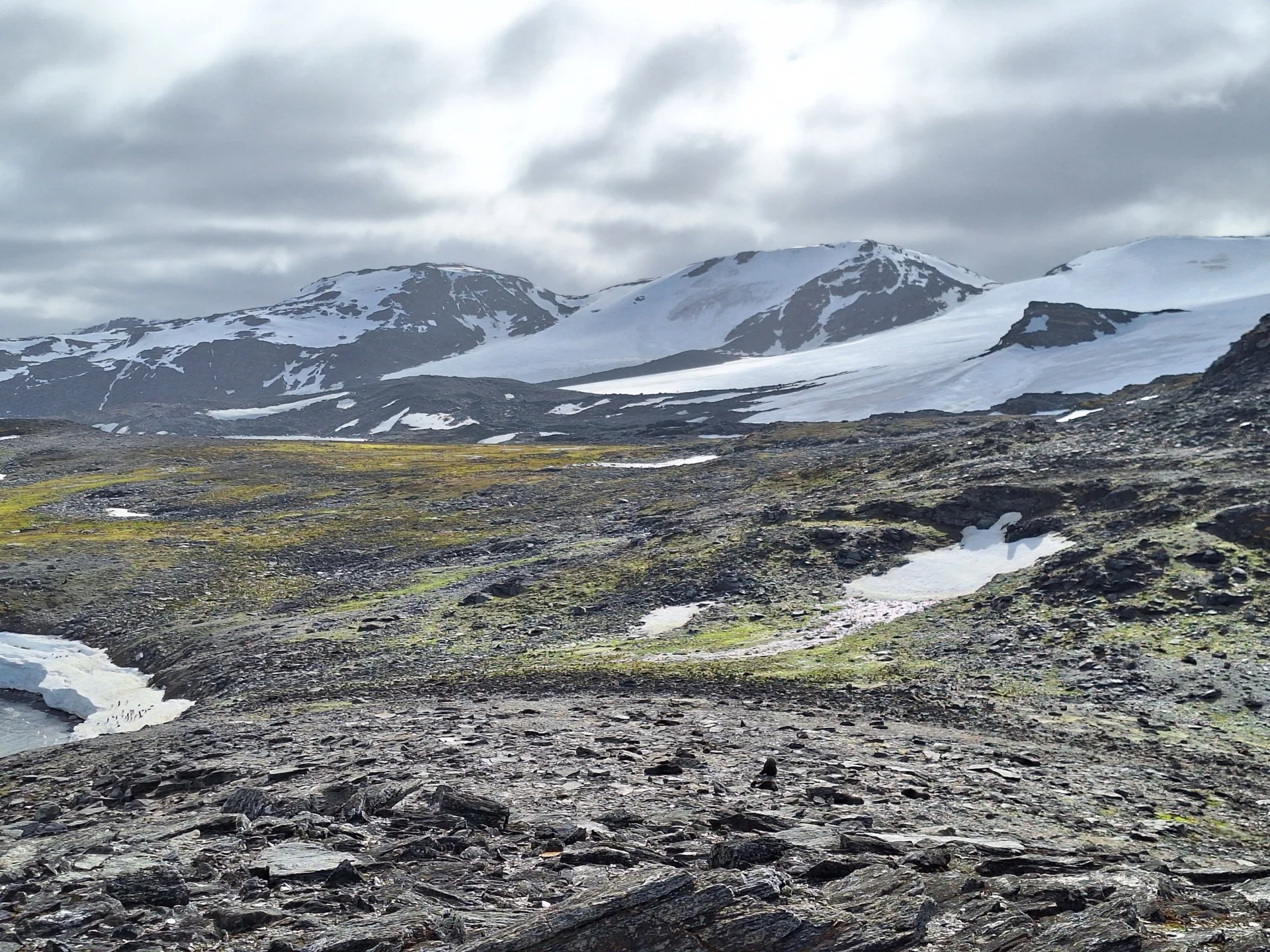
Imagine standing on the freezing edge of the Antarctic Peninsula, the continent’s fastest-warming region. For scientists like Davies, this is no longer a pristine wilderness untouched by humanity; it’s the frontline of the climate crisis. Nicknamed the “canary in the coal mine,” the Peninsula experiences changes first and most dramatically, signaling threats to the entire planet.
Davies’ team leveraged the power of CMIP6 (Coupled Model Intercomparison Project Phase 6) – a massive ensemble of coordinated global climate model simulations – to project the Peninsula’s fate under different emissions pathways. CMIP6 integrates data from dozens of top-tier models (like those from institutions participating in the IPCC assessment reports) under standardized protocols, minimizing uncertainties and providing our best scientific predictions. Their modeling centered on three distinct futures:
- Low Emissions: Aggressively cutting emissions to limit global warming to ≤ 1.8°C (3.24°F) above pre-industrial levels by 2100.
- Medium-High Emissions: Continuing current trajectories, leading to ~3.6°C (6.5°F) of global warming by 2100 (our current path).
- Very High Emissions: A catastrophic failure to act, resulting in ~4.4°C (8°F) global warming by 2100.
These scenarios paint leve maps of Antarctica’s possible futures, with wildly diverging consequences.
Low Emissions: A Manageable Future Within Reach (But Requires Swift Action)
The best-case scenario offers hope, demonstrating that severe Antarctic damage can be avoided. Key outcomes include:
- Sea Ice Preservation: Winter sea ice extent diminishes only marginally compared to today.
- Controlled Glacial Loss: Glaciers and their crucial buttressing ice shelves largely remain stable. Contributions to global sea level rise from the Peninsula would be minimal – just a few millimeters by 2100.
- Ecosystem Buffer: Native species, though stressed, retain viable habitats with significantly lower displacement risks. Precipitation patterns remain predominantly snowy.
- Weather Stability: Frequency and intensity of extreme weather events do deliveringelierations increase dramatically.
This scenario underscores a profound truth: Stabilizing Antarctica climate change is still technically feasible. As Davies emphasizes, “It is definitely possible—we can definitely do this… All of this is manageable and is doable.” It necessitates fundamental systemic shifts: transitioning power grids to renewables (not fossil fuels), revolutionizing home heating and transportation efficiency, and embedding robust climate action into all policy decisions worldwide [(source: IPCC AR6 Synthesis Report, Chapter 4)].
Medium-High Emissions: The Path We’re On – And Its Devastating Reality
This trajectory reflects humanity’s current course – a path already causing observable harm:
- Intense Warming: The Antarctic Peninsula warms by approximately 3.4°C (6.12°F), far exceeding the global average and the Paris Agreement targets.
- Threshold Breaching: Expect 19 additional days per year where temperatures exceed freezing (0°C/32°F) – a dramatic shift for a polar ecosystem. Rain replaces snow as the dominant form of precipitation with alarming frequency.
- Accelerated Retreat: Warmer oceans cause faster melting at glacier grounding lines and enhanced iceberg calving. Ice shelves weaken significantly, risking collapse. Sea level rise contributions surge well beyond “a few millimeters.”
- Extreme Weather: The peninsula experiences more frequent and severe storms.
- Ecological Collapse: Specialist species face annihilation. Take the Adélie penguin – Davies vividly describes their vulnerability: “a hardy little animal, but it can’t tolerate its chicks getting wet… What happens when we get rain… is you can lose the whole breeding colony.” Researchers are already documenting Adélie colonies shrinking and retreating southward as more adaptable species like Gentoo penguins encroach on their warming habitat (source: Scientific study on penguin shifts).
- Beyond Penguins: Krill populations, the linchpin of the marine food web feeding whales, seals, and fish, are highly sensitive to sea ice loss and warming waters, threatening entire ocean ecosystems globally.
Comparison of Emission Scenarios Impact on Antarctica:
| Scenario | Global Temp Rise by 2100 | Antarctic Peninsula Warming | Key Environmental Impacts | Ecosystem Consequences | Sea Level Rise Contribution |
|---|---|---|---|---|---|
| Low Emissions | ≤1.8°C (3.24°F) | Minimal | Minor sea ice loss; Stable glaciers & ice shelves | Manageable stress; Native species largely persist ungkan | Millimeters |
| Medium-High | ~3.6°C (6.5°F) | +3.4°C (6.12°F) | Major sea ice decline; Glacial acceleration; More rain events | Penguins displaced (e.g., Adélie decline); Species shifts | Significant centimeters |
| Very High | ~4.4°C (8°F) | Severe (> +3.4°C) | Ice shelf collapse; Near-complete sea ice loss; Extreme events | Mass extinctions; Ecosystem collapse | Catastrophic meters |
Very High Emissions: The Unthinkable Catastrophe
The worst-case scenario isn’t sci-fi; it’s a concrete possibility if emissions continue to escalate unabated. The consequences for Antarctica would be unimaginably severe and irreversible:
- Ice Shelf Armageddon: Major ice shelves supporting colossal glaciers like Thwaites and Pine Island collapse rapidly. With their stabilizing “plugs” gone, land-based ice drains into the ocean at an unstoppable pace.
- Sea Ice Obliteration: The near-complete loss of sea ice decimates algal blooms [the foundation of the marine food chain] and disrupts ocean-atmosphere interactions critical for global weather patterns.
- Supercharged Extremes: Weather becomes wildly unpredictable and destructive, with unprecedented storm intensity.
- Biodiversity Apocalypse: Native species face functional extinction across the Peninsula. Ecosystems collapse.
Crucially, Davies warns this path crosses critical tipping points: “even if we then bury all the carbon in the ground and come up with a magic technology… we’ve already crossed key tipping points.” The ice dynamics unleashed would become self-perpetuating, continuing to warm the planet and raise seas for centuries regardless of future emissions cuts (source: Proceedings of the National Academy of Sciences).
The Frozen Frontline: Evidence We Can Already See
For scientists on the ground, Antarctica’s transformation isn’t a future projection; it’s today’s lived reality:
- Visible Melt: Puddles (“melt ponds”) now routinely form on Antarctic ice shelves even during winter months – a phenomenon once considered rare.
- Rain in Winter: Rain events occurring in the depths of the Antarctic winter – historically unthinkable – are becoming more common, washing away crucial snowpack and directly impacting wildlife like the Adélie penguins.
- Access Denied: Field scientists have been forced to abandon research sites prematurely due to rapidly accelerated melting, rendering areas unstable and unsafe (source: Scientific American reports).
Charting the Course Away from the Iceberg
The Antarctic Peninsula’s dramatic changes are an undeniable harbinger for the rest of the continent and the wider world. The collapse of West Antarctic ice sheets alone threatens meters of sea-level rise this century. The disruption of the Southern Ocean’s currents and ecosystems will ripple through global fisheries and climate stability.
This isn’t a foregone conclusion. The Newcastle University study’s pivotal message is one of agency: There is السماح وقت (still time). While deeply serious, the most damaging outcomes for Antarctica climate change are not yet locked in. The 1.8°C low-emissions pathway offers a future where Antarctica remains largely intact. Achieving this demands immediate, transformative global action:
- Accelerating the Renewable Transition: Phasing out fossil fuel infrastructure years faster than currently planned.
- Green Innovation: Scaling proven technologies (solar, wind, batteries) and investing heavily in future breakthroughs (advanced geothermal, green hydrogen, Carbon Capture).
- Policy Levers: Implementing robust carbon pricing, stringent emissions regulations for industry and transport, banning new fossil fuel exploration, and reflecting true climate costs in global trade.
- Global Cooperation: Ensuring developed nations support does developing countries with financing and technology transfer for clean transitions.
The next decade is the inflection point. Humanity’s collective choices – from government policy mandates to corporate investment shifts to individual consumption patterns – will determine whether Antarctica’s incredible icy realm endures as a functioning part of our planetary system or collapses, dragging our global stability down with it. The frozen sentinel is sounding the alarm. Are we listening? What urgent climate actions do you believe hold the most promise for protecting Antarctica – and ourselves?


