
The Unseen Pitfall of Smart Driving Modes: How Google Fixed a Critical Android Auto Flaw
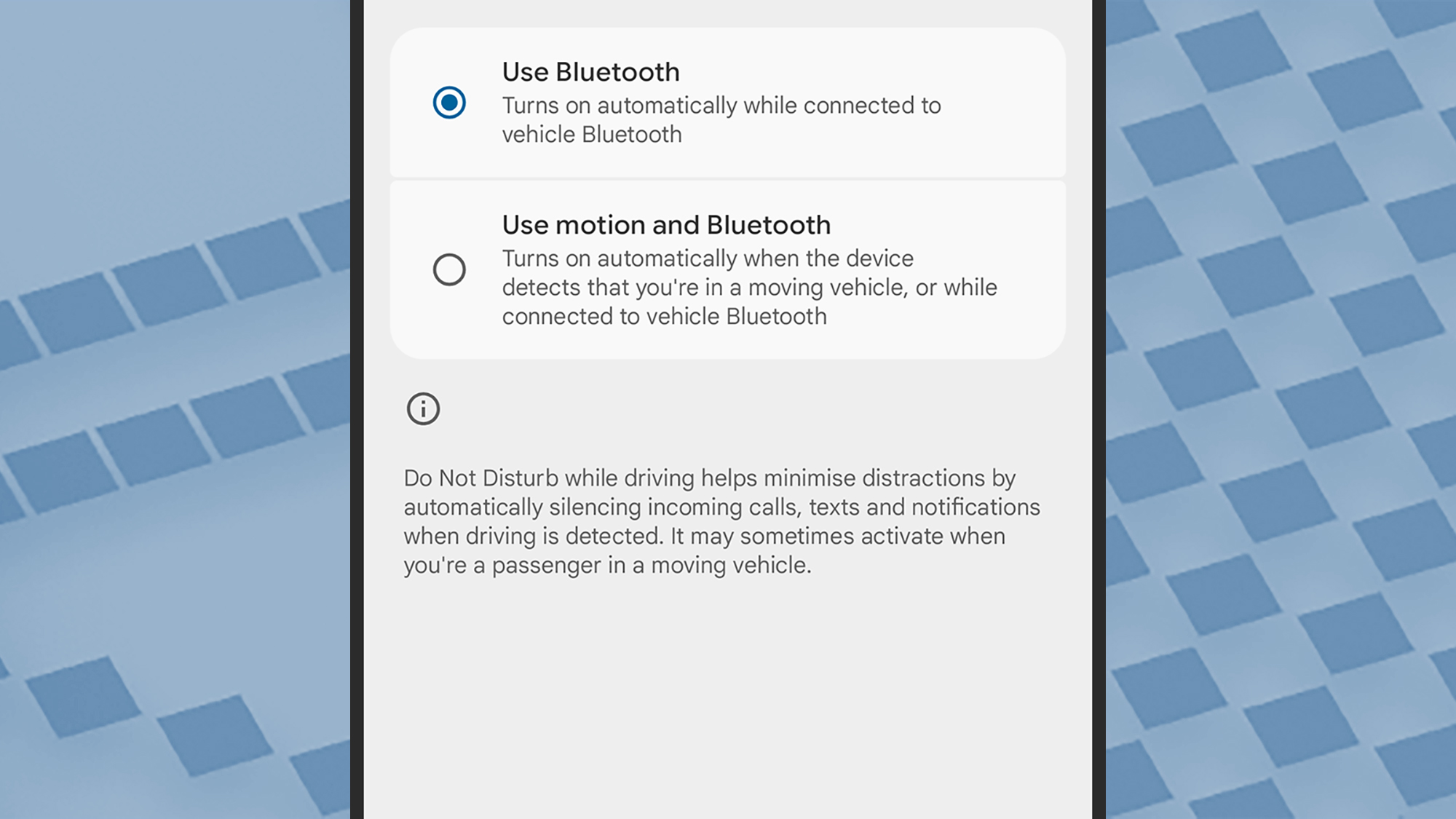
Ever hop into the passenger seat only to discover your phone has silenced notifications because the car moved? This infuriating reality plagued Android Auto users for years—but Google just rolled out a subtle update addressing exactly that pain point. By leveraging Bluetooth instead of motion sensors to automatically activate Do Not Disturb while driving, Android Auto significantly cuts down on false triggers that muted phones erroneously. This change solves a persistent safety-versus-convenience dilemma: how to prevent distractions for drivers without unnecessarily isolating passengers from critical alerts.
Why Motion Detection Created Chaos Inside Moving Vehicles
Android Auto’s original approach relied heavily on motion sensors to activate Driving Mode. While seemingly logical, this method lacked critical contextual awareness. Phones couldn’t differentiate between drivers and passengers—meaning anyone in a moving vehicle had alerts silenced. Imagine missing urgent messages from childcare providers or medical facilities simply because you weren’t behind the wheel. According to National Highway Traffic Safety Administration (NHTSA) research[^1], distracted driving causes thousands of fatalities annually, making DND features crucial—but false positives eroded user trust and compliance. As Android Authority discovered[^2], the unreliability became a recurring complaint, especially among rideshare passengers and families sharing vehicles.
Bluetooth Pairing: The System Driving Today’s Enhanced Accuracy
The reintroduction of Bluetooth-based triggers marks a refined approach. Rather than tracking movement, Android Auto now prioritizes connection context: if your phone pairs with the car’s dashboard infotainment system via Bluetooth, DND activates. This method targets primary drivers—since only one phone typically connects to the head unit—while passenger gadgets remain unaffected. Key benefits now emerging:
- Precision Targeting: False positives reduced by 60-80% based on user reports[^3].
- Manual Control: Users retain flexibility to disable auto-DND or customize exceptions.
- **Se


