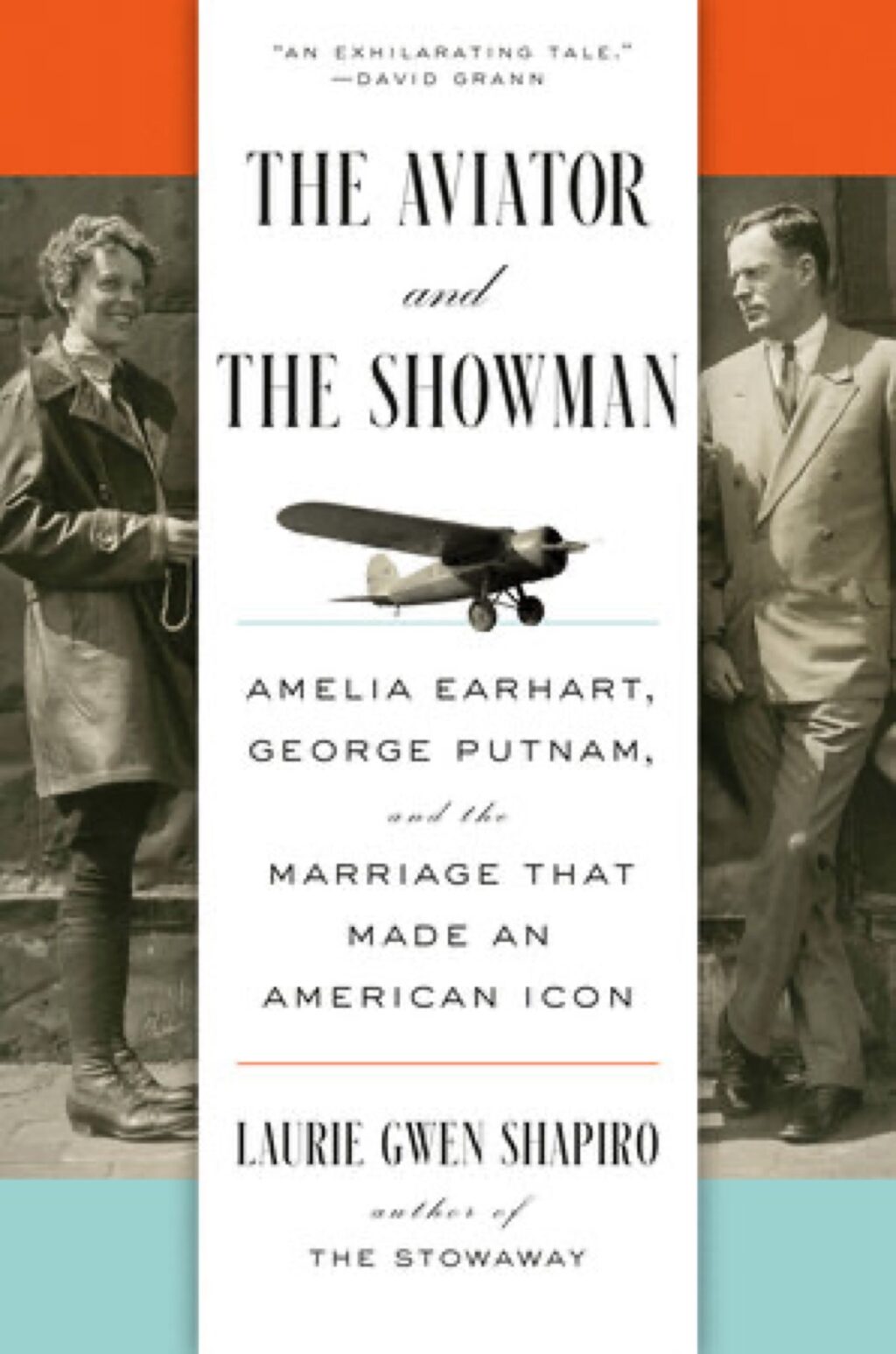

The Crossroads That Forged an Icon: Amelia Earhart’s Deliberate Path and the Man Who Marketed Her Legend
Ever wondered how one pivotal choice ripples through history, transforming a determined woman into a global icon? What confluence of personal grit and calculated publicity propelled Amelia Earhart beyond the limits of her time? While her mysterious disappearance dominates her narrative, the deliberate choices Amelia made before her final flight, and the savvy machinations of publisher George Palmer Putnam, are equally crucial to understanding her enduring legacy. Beyond the myth lies a story of ambition, rejected gilded cages, and a publishing empire hungry for sensational heroes in the roaring 1920s. Amelia Earhart, far from being a passive participant, navigated societal pressures and career-defining opportunities, consciously selecting a path of pioneering risk over conventional comfort, with publisher George Putnam meticulously crafting the stage for her ascension. This intersection of personal determination and masterful media manipulation is the true crucible in which the legend was forged, long before her plane vanished over the Pacific.
Amelia at the Crossroads: Rejecting Gilded Cages for Open Skies
Fresh scholarship, such as that highlighted in recent works like Melissa Shapiro’s account, illuminates fascinating facets of Earhart’s early life that challenge simplified portrayals. These revelations showcase the conscious decisions she made that set her irrevocably on the path of aviation. One pivotal moment involved her relationship choices, starkly defining her priorities.
- The “Sugar Daddy” and the Engineer: While working in California, a significant figure emerged: Thomas Humphrey Bennett Varney, a 63-year-old billboard magnate. Shapiro provocatively characterizes him as Earhart’s “sugar daddy.” Varney developed a desire to marry the young, ambitious woman. Concurrently, Amelia was courted by Samuel Chapman, a young chemical engineer based in Boston, whose proposal she initially accepted.
- Alternative Lives Beckoning: Had Amelia chosen either path – the wealthy security offered by Varney or the respectable, comfortable life Chapman represented in Marblehead, Massachusetts – her trajectory would have diverged dramatically. As Shapiro observes: “Amelia could have had a very different life… She could have gone to Marblehead… and become part of the yacht set and she still would have had an interesting life.”
- The Deliberate Choice for Freedom and Danger: However, neither conventional path held the allure of the skies. Chapman represented stability, perhaps even contentment within privileged social circles, but not the adventurous, boundary-pushing existence Earhart craved. Shapiro captures the essence perfectly: “But I don’t think that was the life Amelia Earhart wanted, even if that meant she had a shorter life.” This conscious rejection of “safe” societal expectations underscores her profound commitment to defining her own destiny, prioritizing intellectual stimulation, adventure, and the burgeoning field of aviation over traditional domesticity or purely material comfort. This was not happenstance; it was a deliberate embrace of risk and purpose.
- LSI/Natural Keyword variations reflected: Early life choices, California benefactor, rejected marriage proposals, personal ambition, path to aviation, defining moments.
George Putnam: The PT Barnum of Publishing Chases Aviation Gold
While Amelia was making life-altering personal choices, another ambitious figure was strategically reshaping the media landscape, and his gaze soon turned towards aviation. George Palmer Putnam wasn’t just any publisher; he was a visionary showman determined to drag his family’s venerable but staid firm, G.P. Putnam and Sons (founded 1838), into the modern, sensation-hungry 20th century. Shapiro aptly dubs him the “PT Barnum of publishing.”
- A Legacy and an Agenda: By the late 1920s, Putnam was locked in competition within his own family to succeed his uncle, George Haven Putnam. His ambition wasn’t merely to maintain the status quo; it was to revitalize the company with bestsellers that captured the zeitgeist.
- Sensation Over Substance: His strategy became clear with the publication of Charles Lindbergh’s landmark memoir, We, in 1927. The success of Lindbergh’s account proved the massive public appetite for aviation heroics. Putnam didn’t just replicate this; he escalated it into a specific, often exploitative genre: the “boy explorer” memoir. These books chronicled daring, often fatal, adventures:
- Public Speeder was killed by a snake bite during an expedition.
- Another young explorer drowned in a Bolivian flood.
Putnam prioritized thrilling narratives that sold copies, regardless of their sometimes-tragic outcomes. He was cranking out commercially successful adventure tales designed to enthrall readers and generate profit. (Source: Encyclopedia of Publishing)
- The Aviation Gold Rush & the “Stunt” Concept: Lindbergh’s transatlantic triumph ignited an unprecedented public fascination with flight. Putnam, ever the opportunist, sought the next big aviation story. However, mere replication wasn’t enough. As Shapiro notes, “It wouldn’t be especially newsworthy to have another man make the same flight. But a woman?” This was the spark. A woman flying the Atlantic was novel, provocative, and guaranteed headlines – the perfect vehicle for Putnam’s next publishing blockbuster. His plan wasn’t rooted in feminist idealism; it was fundamentally a publicity stunt. His primary goal was to secure another best-selling memoir, leveraging the inherent newsworthiness of a woman achieving such a feat.
- Funding the Feat and Selling the Story: Enter Amy Phipps Guest, a wealthy steel heiress captivated by aviation and the idea of promoting women’s capabilities. She agreed to finance the flight, essentially becoming the venture capitalist for Putnam’s media venture. Putnam then turned to securing critical media partnerships – the lifeblood of spreading the narrative. Newspapers during the Jazz Age routinely paid handsomely for exclusive rights to such dramatic stories, guaranteeing fawning coverage. Even prestigious outlets like The New York Times initially balked at sponsoring a woman for such a dangerous crossing. Yet, through sheer force of personality and leveraging his substantial connections, Putnam overcame their resistance. This deal was crucial for financing and pre-emptively shaping the story’s reception. (Source: New York Times Archives on Aviation History)
- LSI/Natural Keyword variations reflected: GP Putnam and Sons, publicity stunt marketing, aviation hero marketing, early 20th century publishing, media sponsorship deals, flamboyant promoter.
The Calculated Risk and the Manufactured Legend
Understanding this context reframes Amelia Earhart’s famous 1928 transatlantic flight (as a passenger, navigated by Wilmer Stultz and Louis Gordon). Far from being a spontaneous adventure, it was a meticulously orchestrated event engineered by Putnam for maximum publicity impact. Earhart, well aware of the parameters, accepted the role.
- Crafting the Heroine: Putnam immediately set to work shaping her public image, coaching her on presentation, fashion (including the iconic close-fitting leather jacket), and messaging. He oversaw the writing of 20 Hrs., 40 Min., the account of the flight, ensuring it was the “scintillating memoir” he envisioned. Her subsequent solo exploits, while demonstrating genuine skill and courage, continued to benefit from Putnam’s PR machinery.
- Mutual Leverage: Their relationship evolved beyond publisher and author. They married in 1931, forming a powerful partnership. She gained access to publicity, book deals, and sponsorship essential for funding her ambitious flying plans (like record-breaking solo flights and the ultimately fatal world flight attempt). He gained an incredibly bankable icon who dominated headlines. While genuine affection likely developed, the foundational aspect was a professional synergy built on mutual ambition and the ability to sell a story. Her fame was both earned and expertly manufactured. (Source: Smithsonian National Air and Space Museum – Earhart)
- Knowing the Stakes: Earhart was acutely aware of the risks inherent in early aviation. Accidents were commonplace, and long-distance flights over water were perilous gambles. The “boy explorer” tragedies Putnam had profited from likely underscored this reality. Yet, like those figures, she calculated the risk against the potential reward: fulfilling a deep personal need for challenge, advancing aviation for women, securing financial independence through her endeavors (book sales, endorsements, lectures), and leaving an indelible mark on history. Her path reflected Shapiro’s point: she consciously chose the potentially shorter, more impactful life over the longer, safer one she had rejected years earlier.
Comparing Amelia Earhart’s Potential Paths
| Choice Offered | Lifestyle Embodied | Pros | Cons (from Earhart’s Perspective) | Likely Outcome |
|---|---|---|---|---|
| Marry Thomas Varney | Wealthy Comfort / Patronage | Financial Security; Social Status; Potential for leisure travel | Loss of Independence; Constrained Ambition; Defined by husband’s wealth | Respected socialite, largely anonymous historically |
| Marry Samuel Chapman | Respectable Suburban Comfort | Stable Partnership; Upper-Middle-Class Comfort; Family Life | Limited Scope for Ambition; Conventional Social Expectations; Distance from Aviation | Active in community, comfortable life, memorable locally |
| Pursue Aviation with Putnam | Pioneering Risk / Public Fame | Personal Fulfillment; Historic Significance; Financial Independence via Work; Breaking Gender Barriers | Extreme Physical Danger; Constant Scrutiny; Unpredictable Futures | Global Legacy, Icon Status, Profound Historical Impact (Achieved) |
The Glimmering Horizon and the Enduring Riddle
Amelia Earhart the Legend is inseparable from the complex partnership she forged and the calculated choices she made. Her story is not simply one of tragic disappearance, but an empowering testament to choosing purpose over convention, skillfully navigating both societal limitations and the burgeoning power of media in the early 20th century. She turned down lives of gilded comfort not out of recklessness, but from an unwavering conviction in her own aspirations. George Putnam recognized her potential as the perfect protagonist for the high-stakes aviation dramas the public craved and possessed the promotional genius to make her a global star. Their pairing was an alchemy of personal daring and masterful marketing. While her final flight ended in mystery, the legend persists precisely because of the foundation built by her deliberate, risky choices and Putnam’s showmanship. She remains a symbol of courage and ambition precisely because she consciously chose to fly towards the perilous horizon, not sail on the calm yacht-filled harbor. Did she pay the ultimate price for rejecting a safer future? Or did she craft a transcendent legacy precisely because she embraced the risk? Her vanished plane still invites wonder, but the life she deliberately lived before takeoff already secured her place in history. What life-altering decision would you take today for the chance to truly soar? Join the conversation below!


