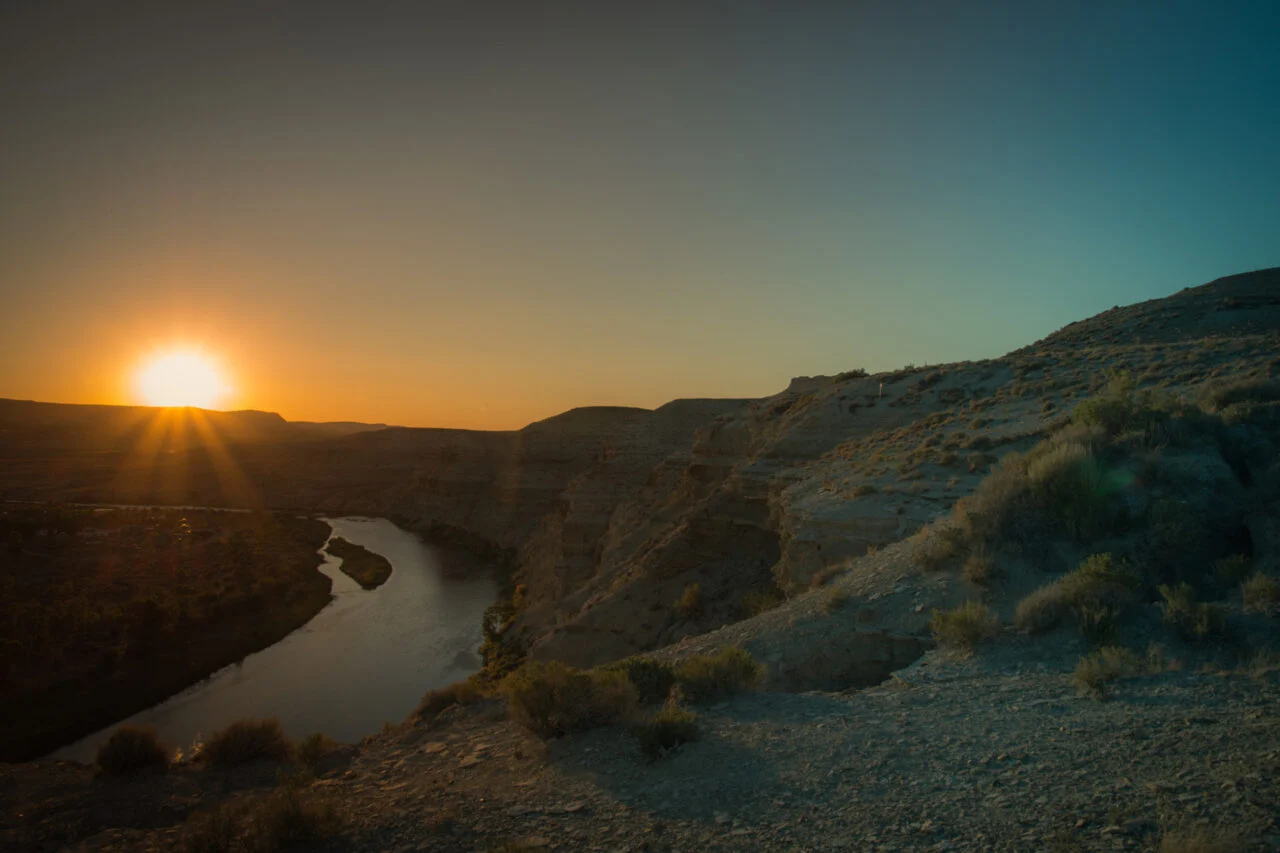

The Hidden Hand That Carved a River Through Mountains
How could a river possibly carve a path upward through towering mountains? That baffling paradox surrounds Utah’s Green River—a twisting enigma that flows into the Colorado River after piercing the ancient Uinta Mountains instead of skirting them. For over 150 years, geologists puzzled over how this tributary appeared to flout gravity, “climbing” slopes that predated it by 45 million years. Now, cutting-edge research unveils a secret sculptor—lithospheric drip—a process where Earth’s crust collapses under its own weight, temporarily reshaping entire landscapes. This discovery notConsidering Colorado’s arid region, this river merger transformed ecosystems across seven U.S. states, making its origins crucial to North America’s hydrology.
Defying Gravity: The Green River’s Impossible Journey
The Green River’s route through the Uinta Mountains defies intuitive geology. At first glance, it seems to flow “uphill” into peaks rising 10,000+ feet—a physical impossibility. Traditional river formation theories couldn’t reconcile this:
- Age Paradox: The Uinta Mountains formed 50 million years ago, yet the Green River’s path is younger than 8 million years.
- Erosion Alternatives Failed: Previous hypotheses—like sediment buildup or river capture by southern erosion—left gaps in evidence.
- Tectonic Inertia: Unlike California’s San Andreas Fault, Utah’s stable interior rarely experiences major uplifts, eliminating earthquakes as catalysts.
As Adam Smith,


